A history of bathing in Toronto needs room for more than hot rooms. It also needs taps, towels and the practical question of where someone can wash. City records offer a few concrete places to begin.
A bath on the nineteenth-century map.
The Queen Street West Heritage Conservation District Plan, dated August 2006, describes public baths on D. B. Weldon's 1857 map. It places them among other institutions near The Grange, alongside an orphan home and a public school. Bathing belonged on a map of everyday city life.
The map gives us a location. It does not tell us the temperature of the water, the conversation in the room or whether the visit felt restful. Those are tempting details to add, especially when writing about a modern bathhouse. They would still be additions.
Harrison Baths gives the story an address.
A 1997 City capital-planning report, carried in the 1998 council papers, records that Harrison Baths was built in 1906 and remodelled in 1959. The report discusses further renovation and the facility's role in the surrounding community. This is a more useful thread than imagining that all public bathing disappeared when more homes acquired bathrooms.
The need did not simply disappear.
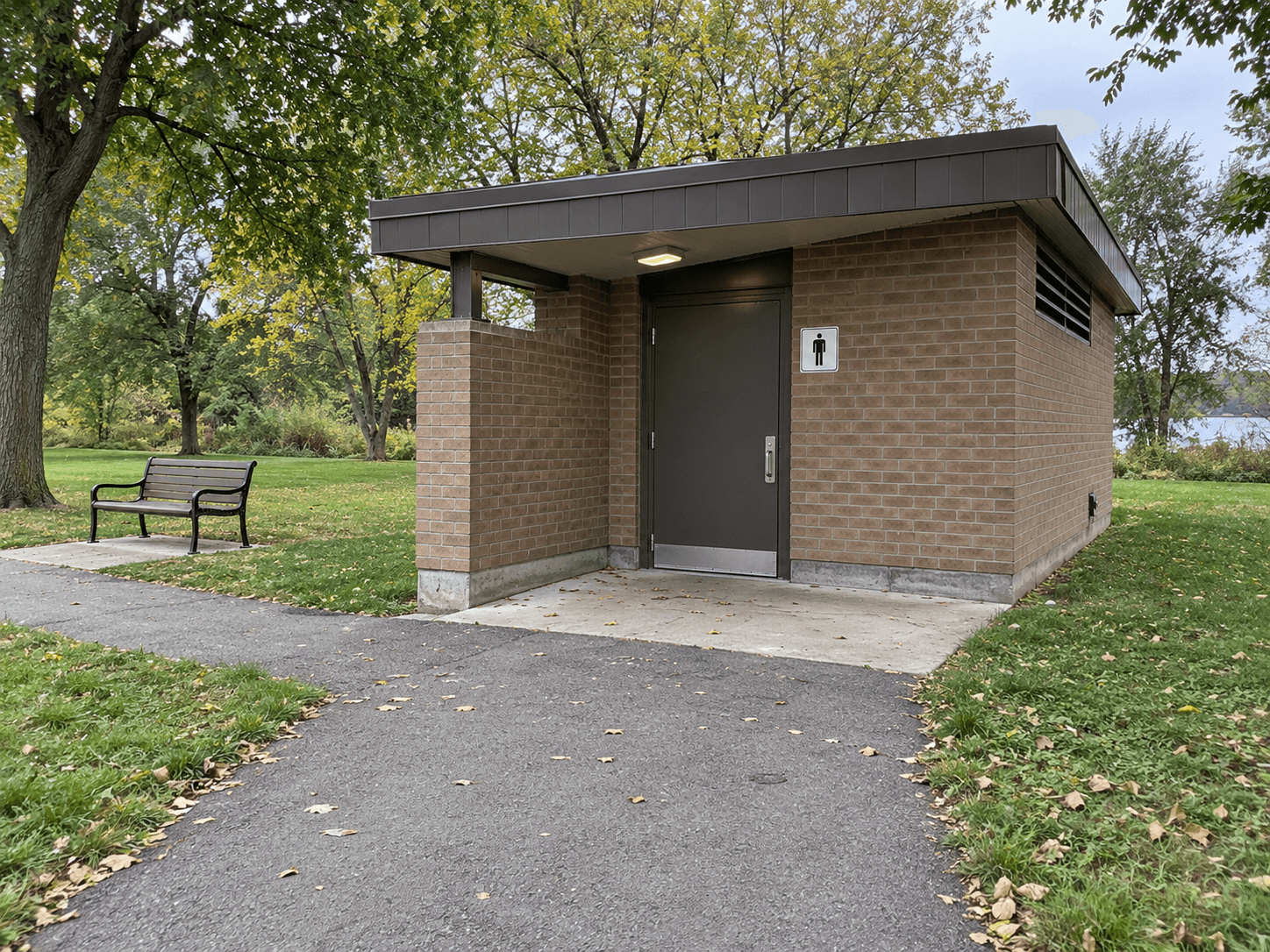
In 2001, a City Council report on access to public washrooms also discussed bathing and shower programmes, including Harrison. It considered the needs of people without adequate access to these facilities, including people experiencing homelessness. Public washing remained a practical access question well into a period we might otherwise describe as modern.
These are historical records, not current opening hours or a present-day service directory. Their value here is the continuity they reveal: a private bathroom becoming more common did not mean everybody had one available.
Different reasons to enter a shared room.
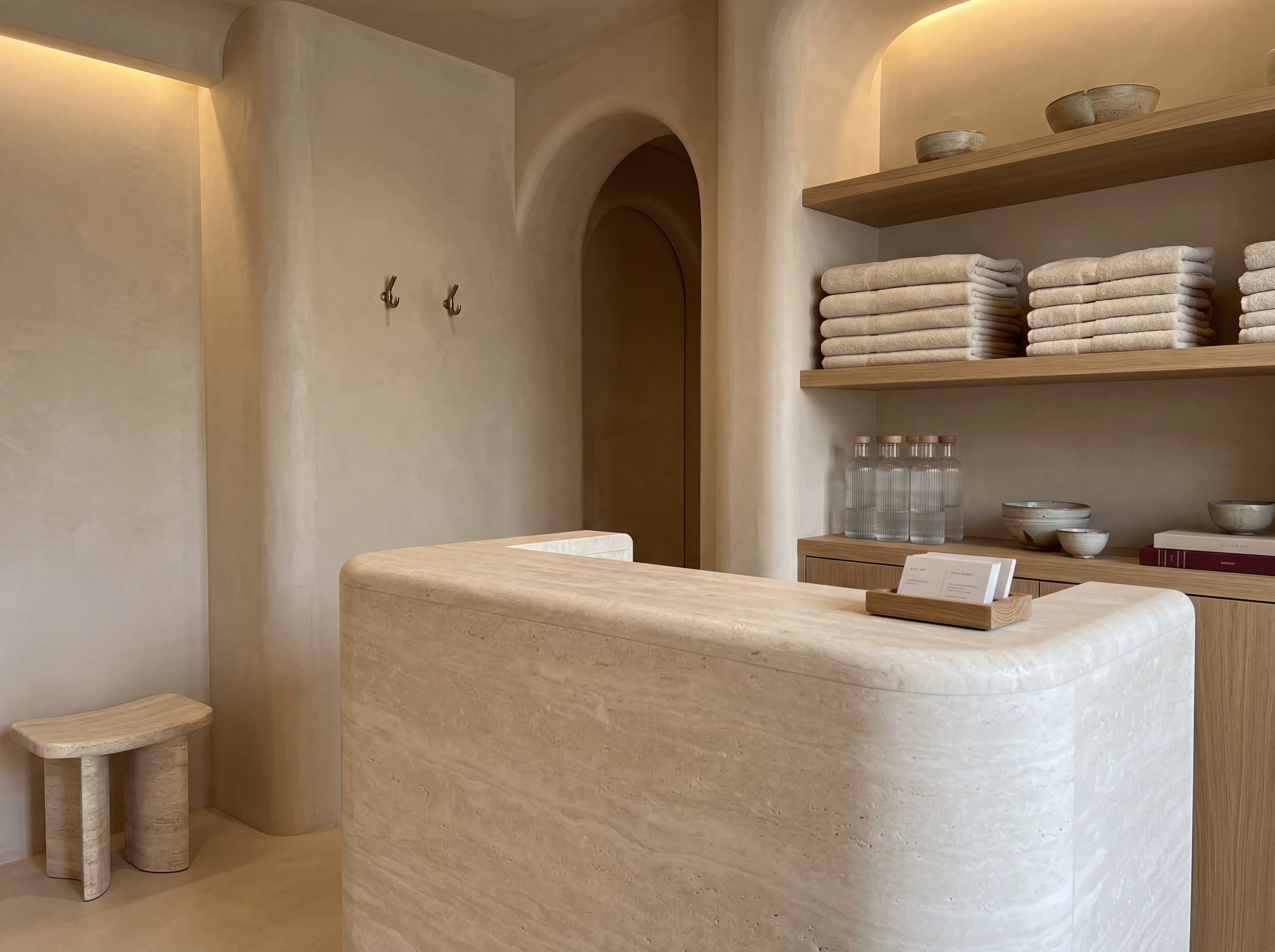
A contemporary leisure bathhouse can offer a place to spend time with heat, water and other people. That is one reason to visit a shared bathing space. Needing somewhere to wash is another. The histories can sit beside each other without making a paid leisure visit the successor to every civic bath.
The old records are full of practical decisions: where a building stood, when it was altered and who needed access. They make the city's bathing history more interesting than a simple story of disappearance and return. Sometimes the most useful question about a room is who can get through its door.
Notes & citations
- City of Toronto: Queen Street West Heritage Conservation District Plan, August 2006, Mapping the Street section (2006)
- City of Toronto: Priority-Setting for Community and Recreation Centre Facilities, 1997 report in January 1998 papers (1998)
- City of Toronto: Enhancing Access to Public Washrooms, December 2001 (2001)
Article details
- Published
- Updated