My brother arrived ten minutes before we had agreed. I used seven of them to explain things he already knew and the remaining three to ask whether he wanted tea.
Our father needed support at home. We had arranged the afternoon together, including with Dad, who was more interested in which programme they would watch than in my repeated explanation of where the mugs lived.
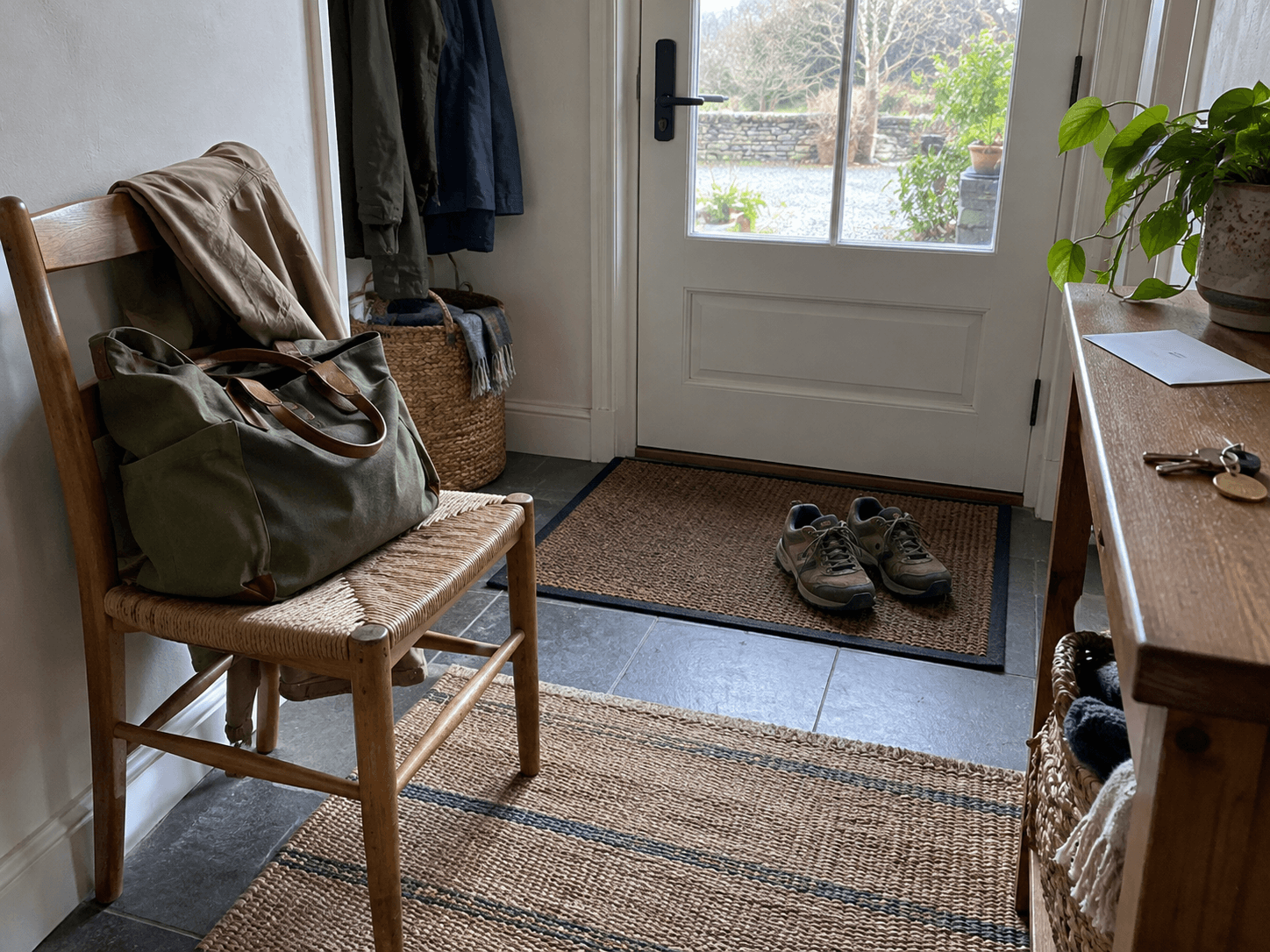
I had planned a short outing nearby. The bag had been beside the door since breakfast. Leaving it there felt easier than putting it on my shoulder.
We went through the actual plan.
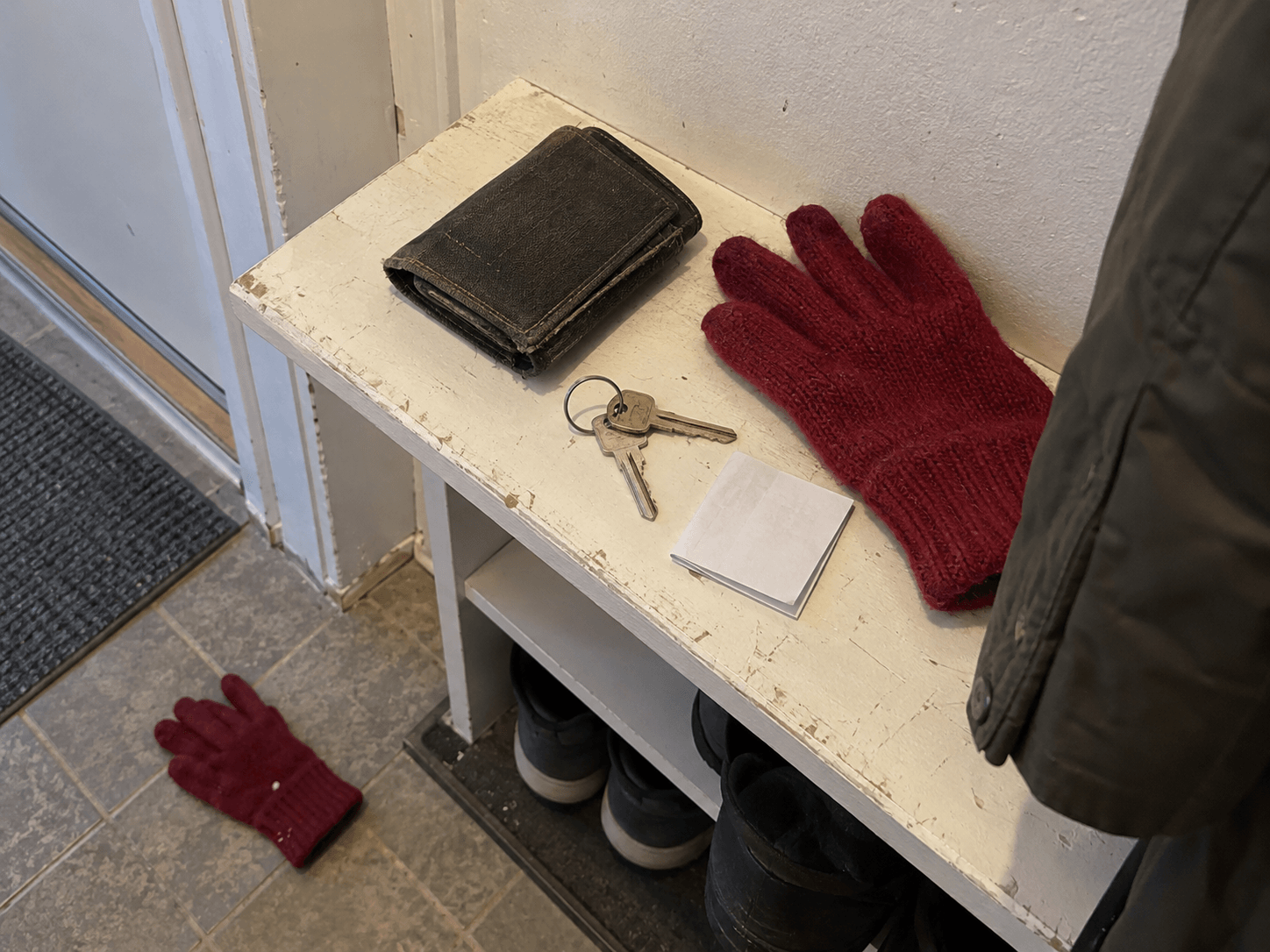
We checked the written information, the arrangements already agreed with the care team and who to contact if something changed. My brother repeated back the parts that mattered. We agreed when I would return and how he could reach me.
Then he asked whether there was anything else he needed to know. I started to mention the mugs again. Dad said they would conduct an extensive search if necessary.
I put on my jacket. Nobody hurried me. Nobody made leaving into a ceremony either.
I kept the outing small.
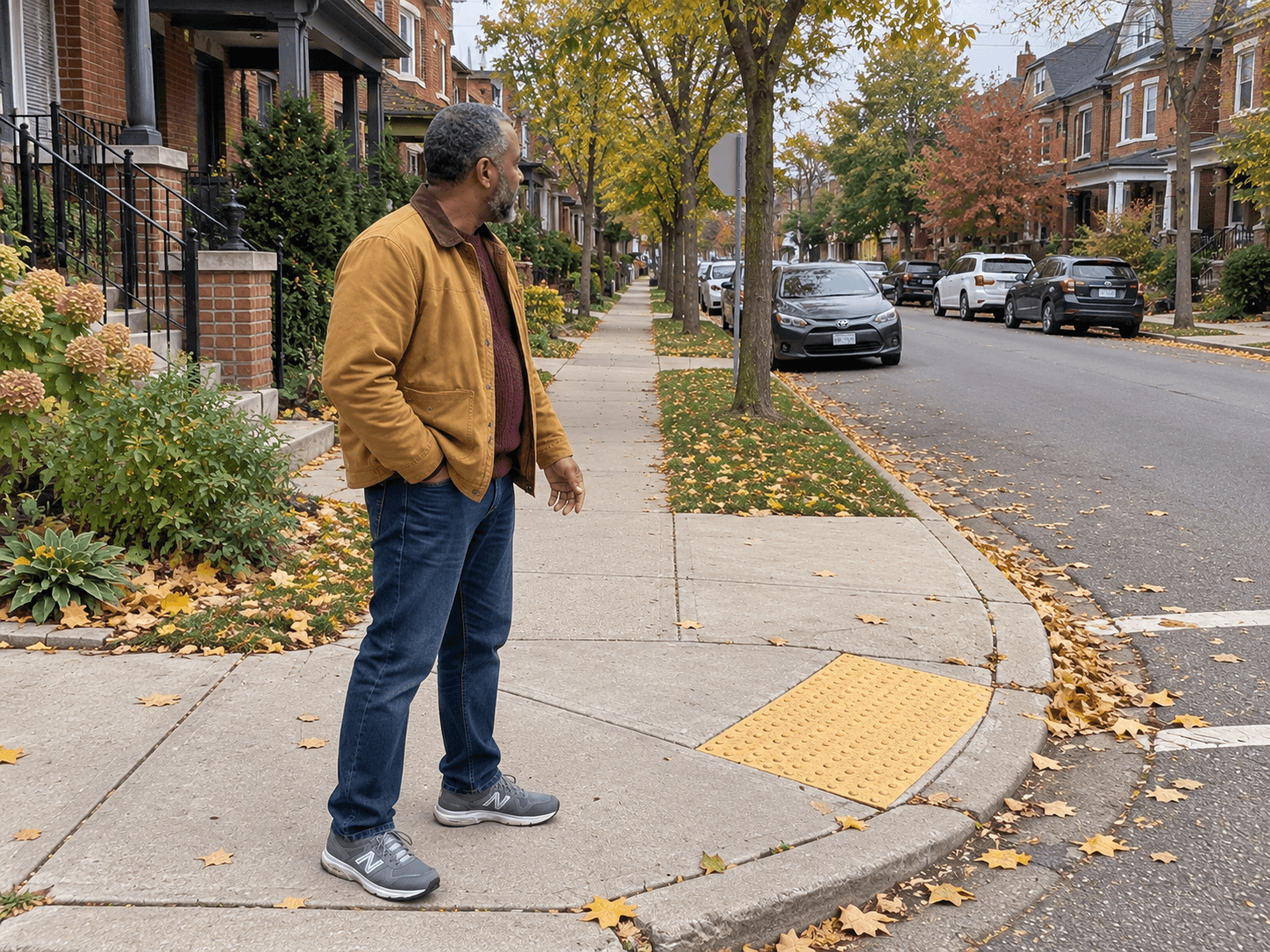
I went for a walk and sat in a cafe with a sandwich. I had considered filling the time with errands, but the bag contained only what I needed for the afternoon.
I kept the agreed contact arrangement available. I did not repeatedly request a report. My brother knew when to contact me, and the plan had been made so he could carry it out.
When I returned, Dad and my brother were discussing a television presenter with an enthusiasm neither had shown for my instructions. The mugs had been located.
We talked about what had worked and what to change next time. Having one workable afternoon did not arrange the next one automatically. It did give us something specific to build on, and a reason to put another date in the calendar.
Story details
First-person account ·