I had done no training that day, but by dinner I wanted to recover from something. Mostly it was the number of times my phone had made a noise.
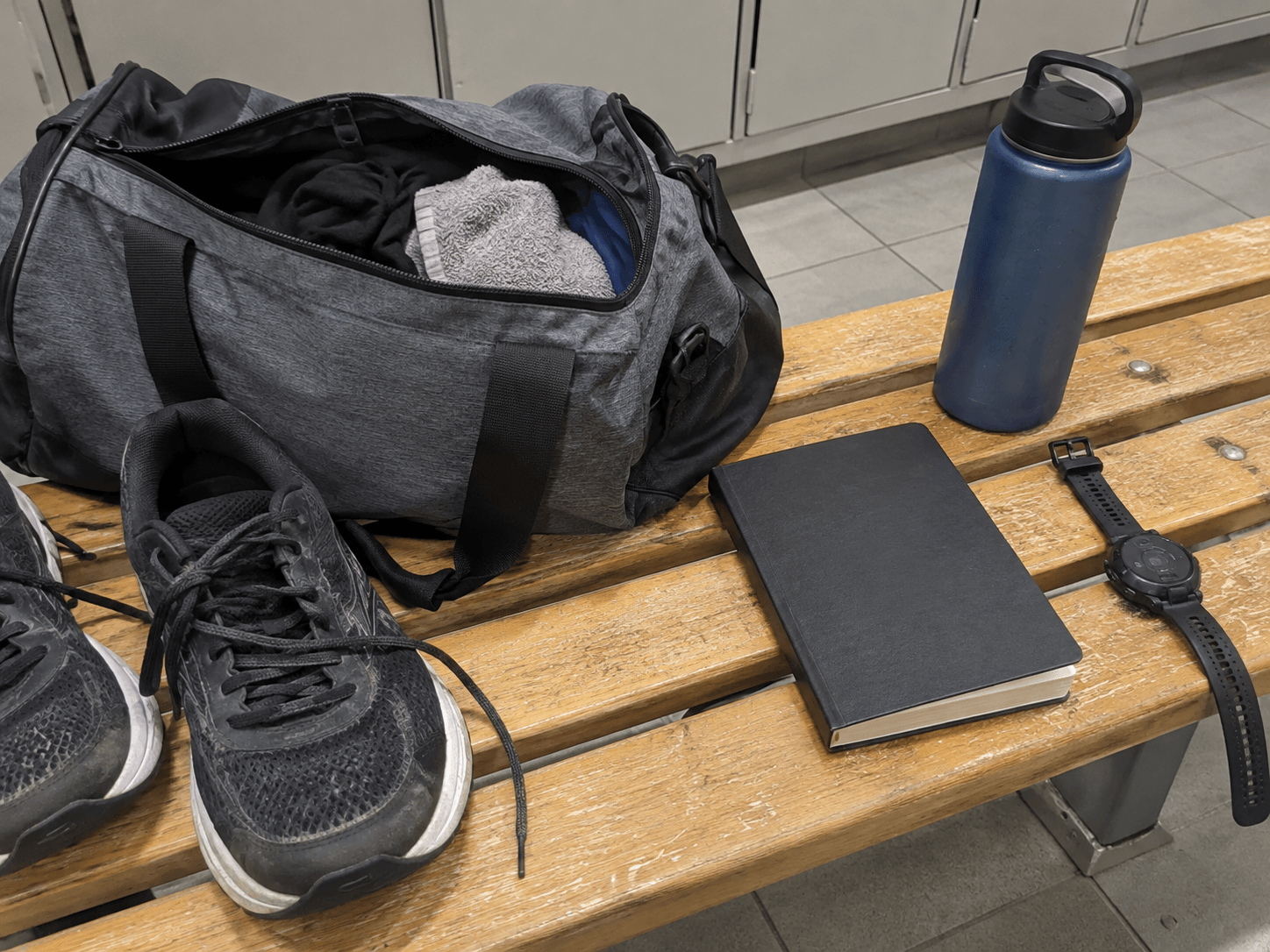
I opened the same folder where I kept my running plan. It contained advice about sessions, effort and what to do between workouts. None of it knew about the meeting that had acquired a second meeting.
Owen called while I was looking at the folder. I told him I was trying to decide what recovery looked like that evening. He asked whether I had eaten.
I named the ordinary problem.
I was hungry, tired of conversation and still thinking about work. My legs did not need an elaborate plan. The evening needed fewer things in it.
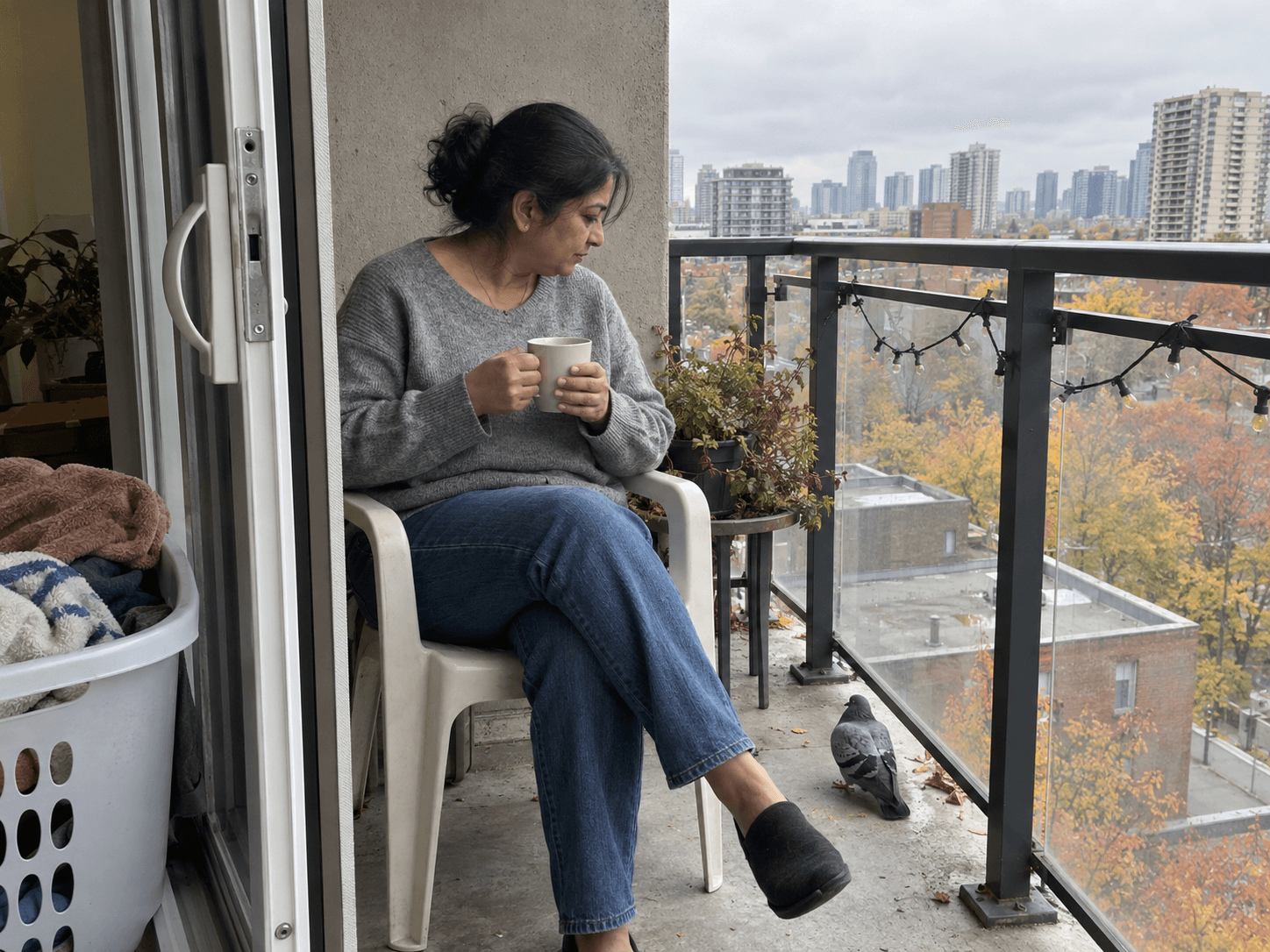
I made dinner, told my partner I wanted a little quiet time and put the work messages away according to the arrangement we had made at the office. Then I sat on the sofa with a book.
For a few minutes I wondered whether I should be doing something more active about resting. This was a familiar way of turning a free half-hour into an assignment.
I left the training plan alone.
The next run was already scheduled. I did not need to move it, add equipment or invent a session to justify the feeling of being worn out by the day.
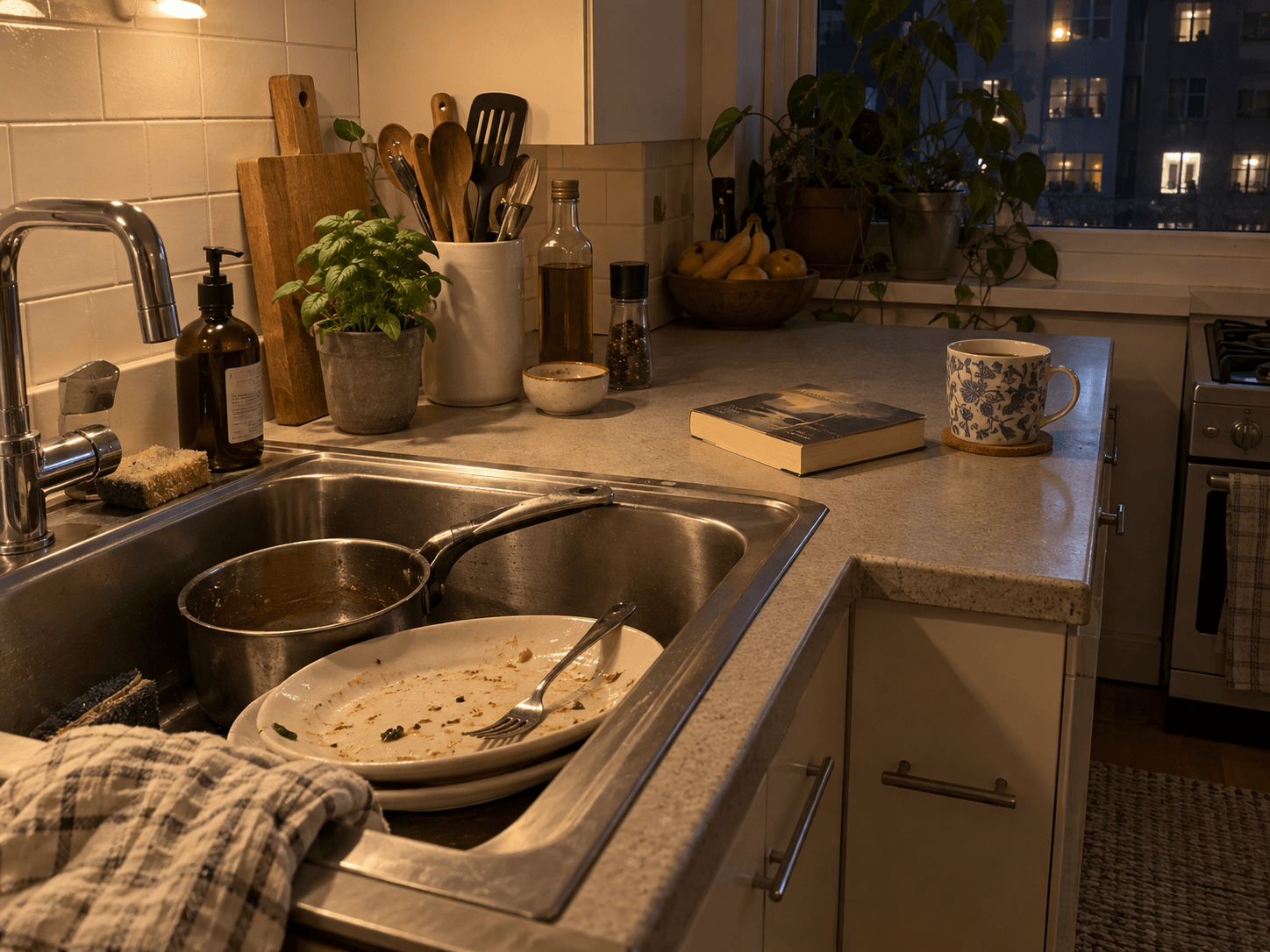
When Owen messaged later, I told him I had eaten and read. He sent a photograph of his dinner and asked whether mine had also involved washing a saucepan.
We discussed the saucepan for longer than it deserved. It was a much easier conversation than the ones I had been having all afternoon.
The word recovery stayed in my vocabulary. I just stopped expecting it to mean the same thing every time I used it. Sometimes the useful first question was about training. That evening it had been about dinner.
Story details
First-person account ·