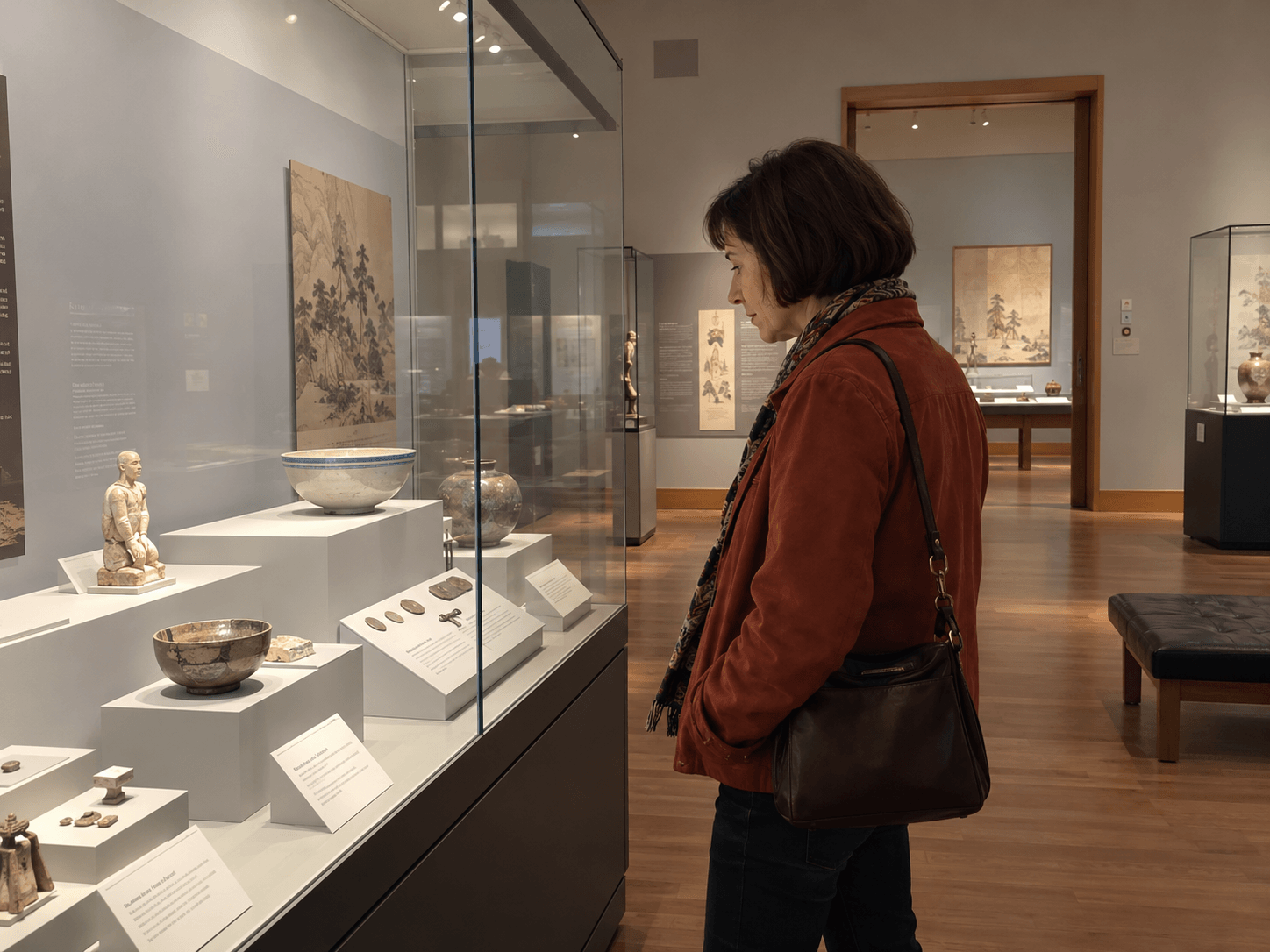
Start by choosing one thing you would like to see: a particular collection, an exhibition or a room you remember enjoying. A museum can contain far more than you want to absorb in one afternoon. Buying a ticket does not create a requirement to inspect every label.
Check the visit you are actually planning.
Use the museum's current website for opening hours, tickets, exhibition dates and any separate admission requirements. Check whether timed entry, bags, photography or re-entry affect your plan. Avoid arranging the whole afternoon around an exhibition that has already closed or an old promotion found in a search result.
Look at the map before you arrive. Find your chosen area, the way in and out, lifts if you need them, washrooms and somewhere to pause. For a Toronto example, the ROM publishes general, accessibility and mobility-friendly map guides, alongside its accessibility information. Use the current versions; routes and available spaces can change.
If you need a particular form of access or support, ask about it directly. "Can I reach this gallery without stairs?" is more useful than assuming the word accessible answers every part of the visit. Check the journey as well as the building.
Give yourself time with a few things.
Once inside, you can begin with the object rather than the label. Look at its size, materials or details, then read what interests you. Or read first if that helps. There is no single correct sequence for a leisure visit.
When a room is crowded, you can wait, choose another part of the collection or decide that today is not the day for it. If you want a quieter visit, ask the museum for current advice rather than treating a particular weekday as a guarantee.
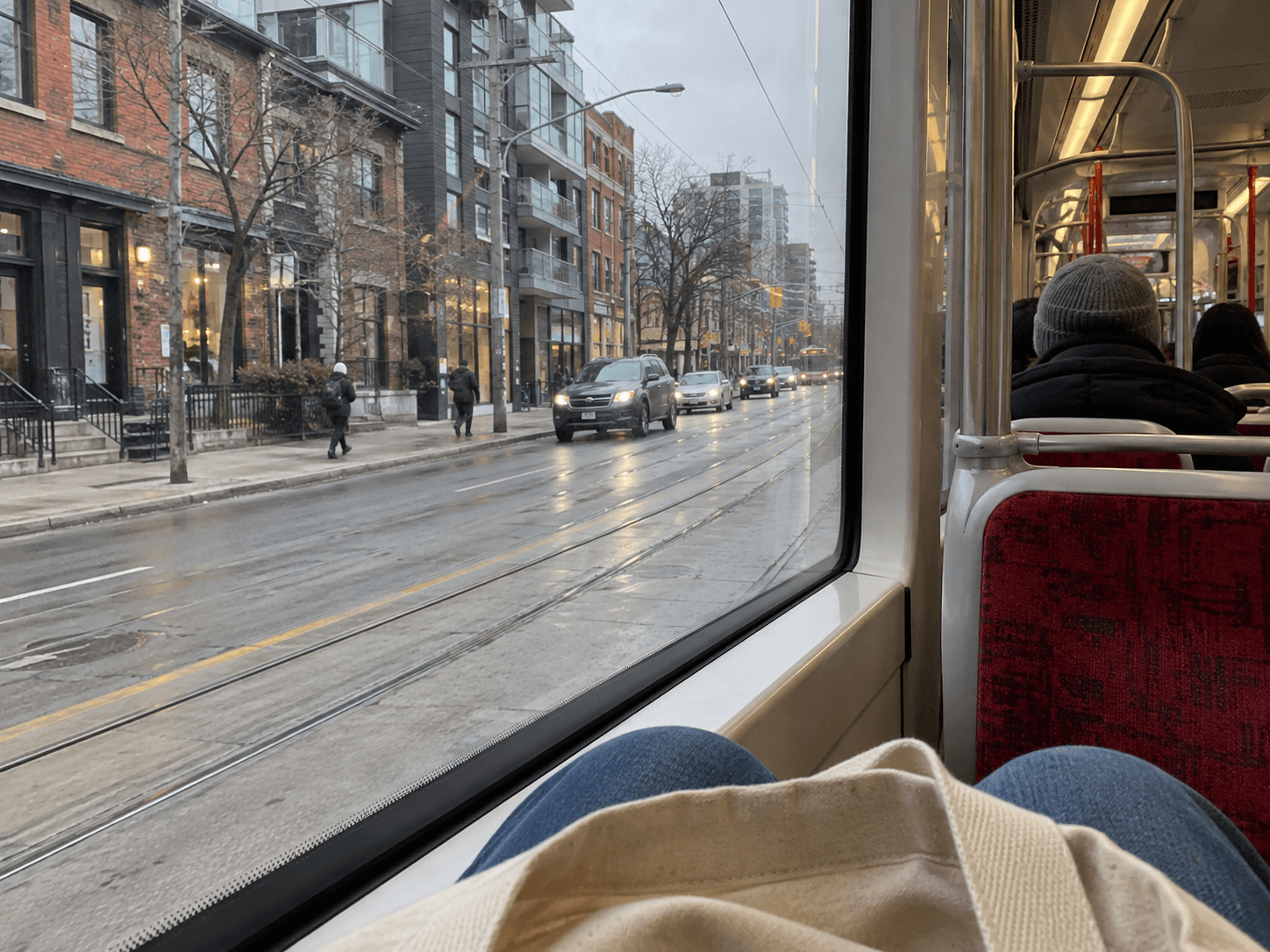
Make the trip home easy.
Notice when you have stopped looking and started passing objects mainly to complete the room. That may be a good moment to sit, eat somewhere food is allowed, or leave. You can enjoy what you saw without adding a second museum, a long shopping trip and an ambitious dinner booking.
If you take photographs where permitted, choose them because you want to remember something. A photograph of the object and its label can be useful later, but check the museum's restrictions and keep other visitors' privacy in mind. You do not need a complete photographic inventory.
Before leaving, note one object or question you would like to return to. That gives a future visit a starting point. It is also fine to leave with no plan beyond lunch. A worthwhile afternoon does not need a follow-up assignment.
Notes & citations
Article details
- Published