My appointment note began with one concern and ended with almost every part of me. I had added items whenever I remembered them, which turned the note into a body inventory.
I was also trying to use words I had seen online. One of them was a muscle I could not confidently locate. I deleted that one first.
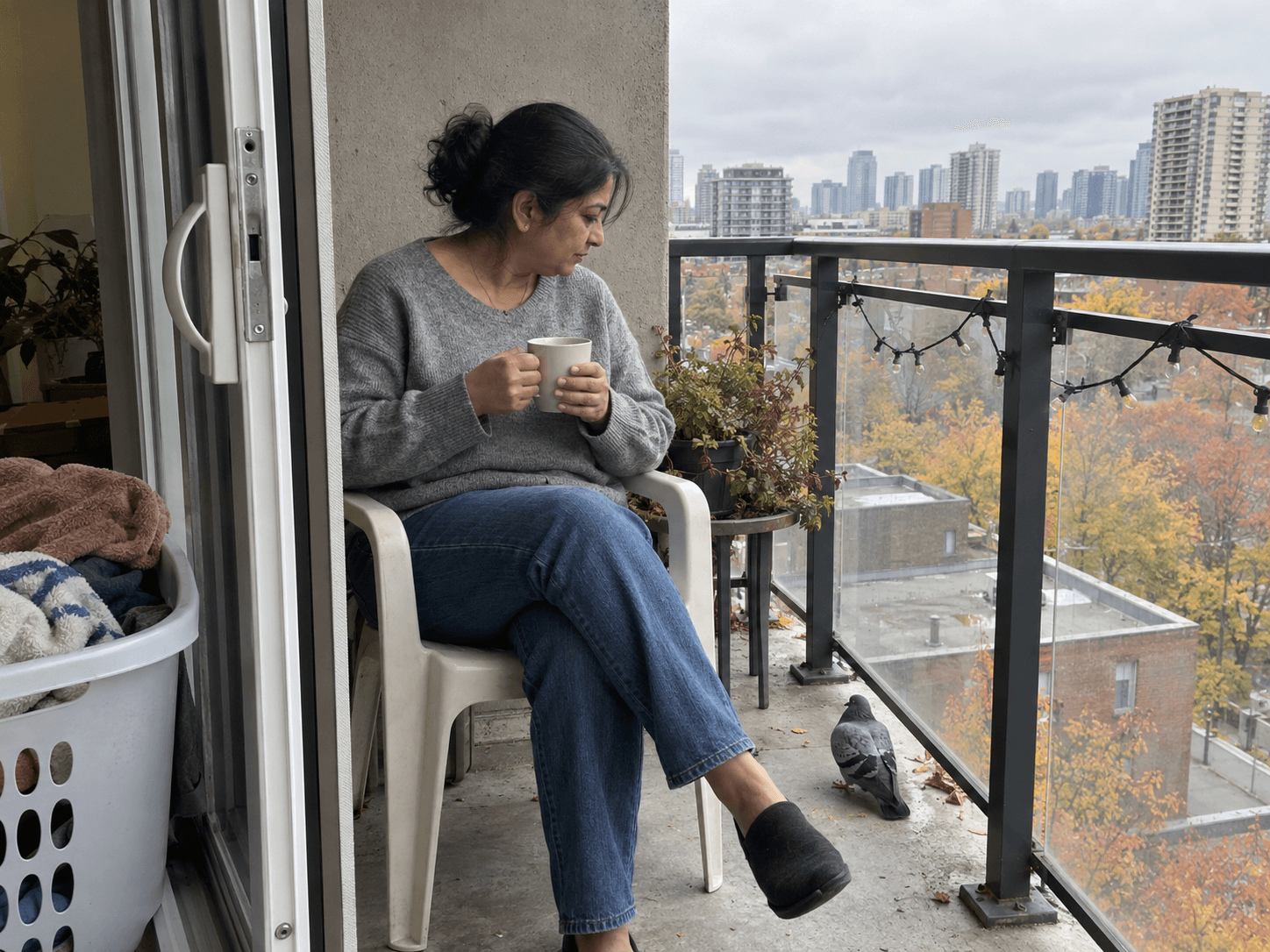
What I wanted to explain was simpler: reaching for a mug on the top kitchen shelf had started bothering my right shoulder. I had moved my favourite mug down beside the kettle. My partner thought I was finally making the kitchen more convenient.
I described the day it affected.
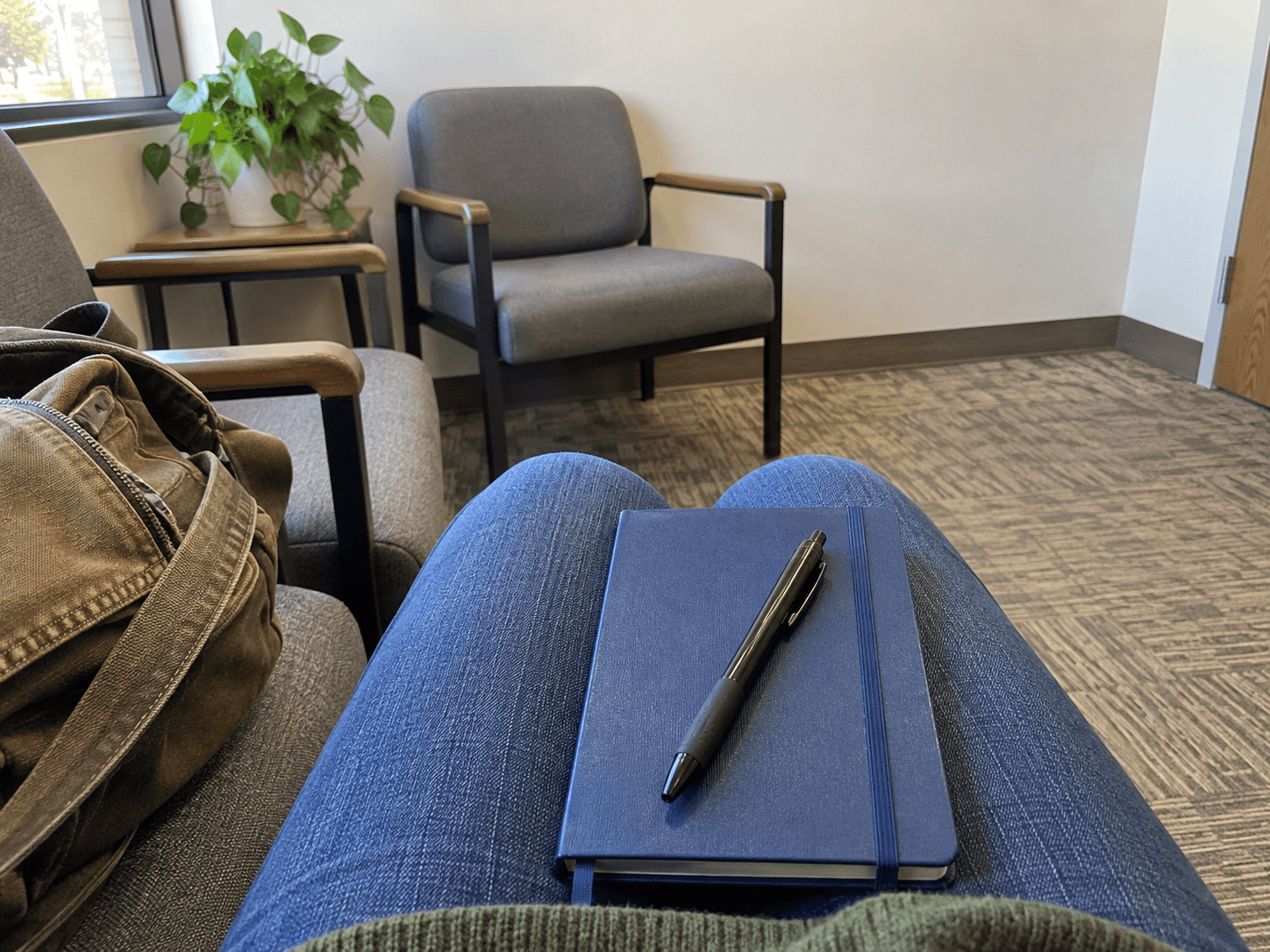
I wrote down when I first noticed it and which movements brought it on. Reaching up was awkward; holding the mug at the table was not. That distinction was easier to explain than the paragraph I had copied about posture. I also kept my medication and health information ready instead of deciding that it could not matter.
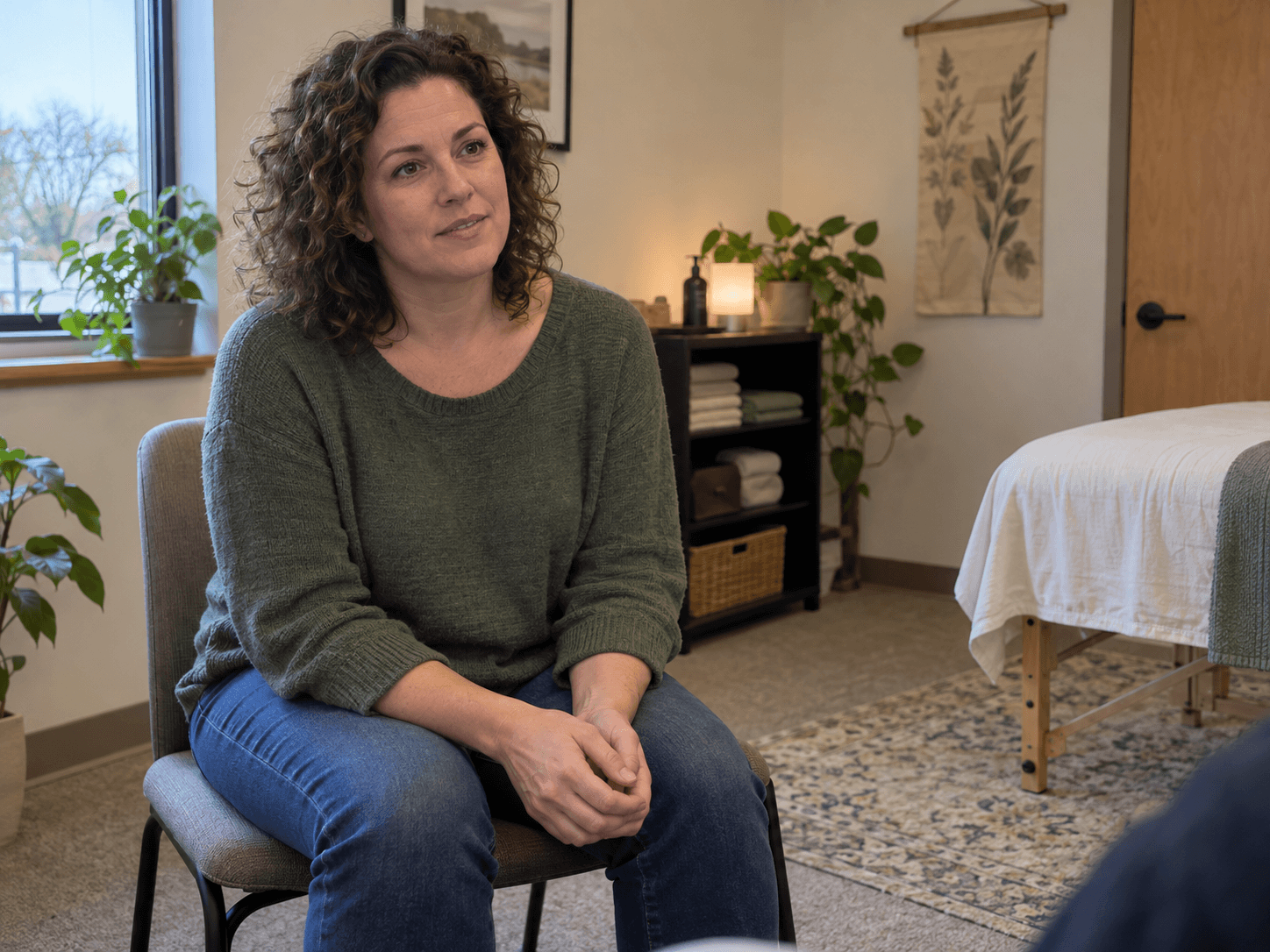
At the appointment, I said, "I want to understand why reaching for the mugs has become uncomfortable, and what I should do about it." The therapist asked when it happened and whether I had noticed other changes. When I could not remember something, I said so. I did not improve the answer by inventing a date.
We discussed the assessment, what the appointment could reasonably address and what might need another kind of assessment. I asked whether there were things in my long list I should mention now. Choosing one opening example had not made the rest of my health history irrelevant.
I asked what to pay attention to.
Before agreeing to the plan, I asked what it involved and what alternatives there were. I also said which areas I did not want treated. When an explanation included a word I did not understand, I asked for another version. It took considerably less time than looking it up in the changing room would have.
Afterwards I wrote down the advice I had actually been given, including what changes I should report and who to contact. I read it back to check I had understood. The page of internet suggestions stayed on my phone, where it could stop volunteering.
At home my partner asked whether I wanted the mug put back on the high shelf. I said to leave it beside the kettle for now. I could explain what we had discussed without announcing a diagnosis or promising that the next appointment would fix everything.
The mug had supplied a useful opening sentence. The notebook had room for the answers. Both were doing better work than the muscle name.
Notes behind the story 01
Story details
First-person account ·