Start with the few details people need to say yes: the activity, the expected cost, the date and how much of the day it will take. A vague invitation can collect enthusiastic replies before anyone knows what they are agreeing to.
Ask privately about the important constraints.
Give people a way to mention access needs, budget or discomfort with the setting without explaining themselves to the whole group. Ask what arrangements would help, rather than requesting personal medical information. Confirm relevant details with the venue before collecting money.
Choose a session whose conversation and activity expectations fit the plan. A group booking does not automatically make a shared quiet space private, and attending together does not require everybody to enter every room.
Decide who is responsible for what.
- One person confirms availability and the actual booking terms.
- Everyone knows what is included and when payment is needed.
- The group agrees what happens if someone cancels.
- The invitation gives the meeting point and realistic arrival time.
- Optional food or other activities are clearly optional.
Keep one final message with the confirmed details. Constantly changing the plan across several chats makes it harder for someone who cannot keep checking their phone.
Leave a little room around the booking.
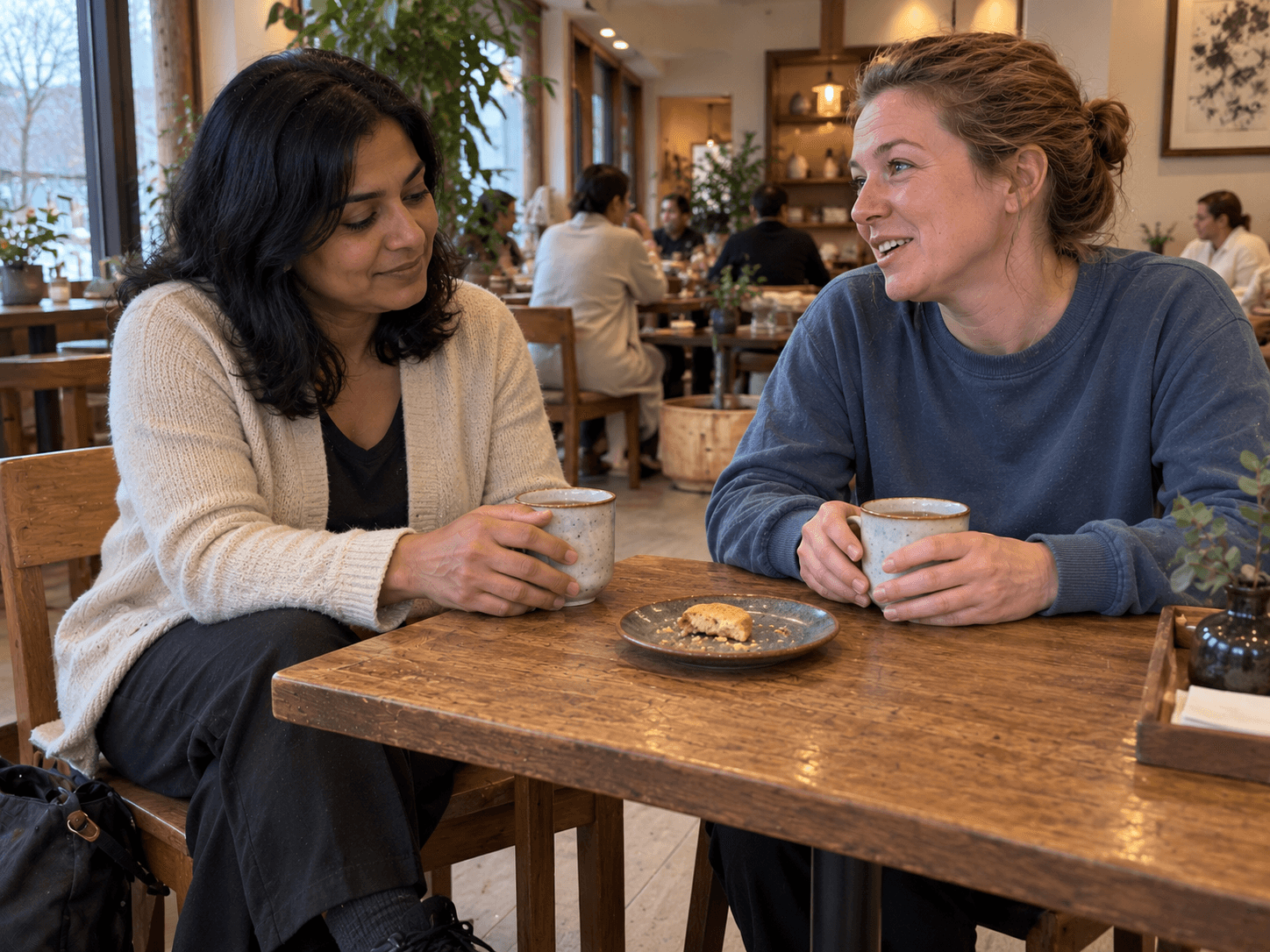
Allow for changing, travel and people leaving at different times. If the purpose is to catch up, plan somewhere conversation is welcome rather than expecting a treatment room to do that job.
Afterwards, ask whether people want to do it again before turning one enjoyable visit into a recurring commitment. A good shared afternoon can remain a single afternoon. The invitation should be as easy to understand on the way out as it was on the way in.
Article details
- Published