After a week of late meals and work, I decided I needed a reset. Within twenty minutes, the internet had translated that into a shopping list with several things I had never eaten.
The list promised to clear out unspecified toxins. I copied the phrase into my notebook, then realised I could not explain what it meant.
I knew what I actually wanted: some ordinary groceries, a quieter weekend and less time answering work messages while standing in the kitchen.
I looked for the missing detail.
I read the evidence summary from NCCIH about detox programmes. The limited and low-quality research did not justify treating every broad promise as established fact.
I began asking which substance the plan supposedly removed and what useful outcome had been measured. The product descriptions were much better at describing how I would feel about buying them than at answering those questions.
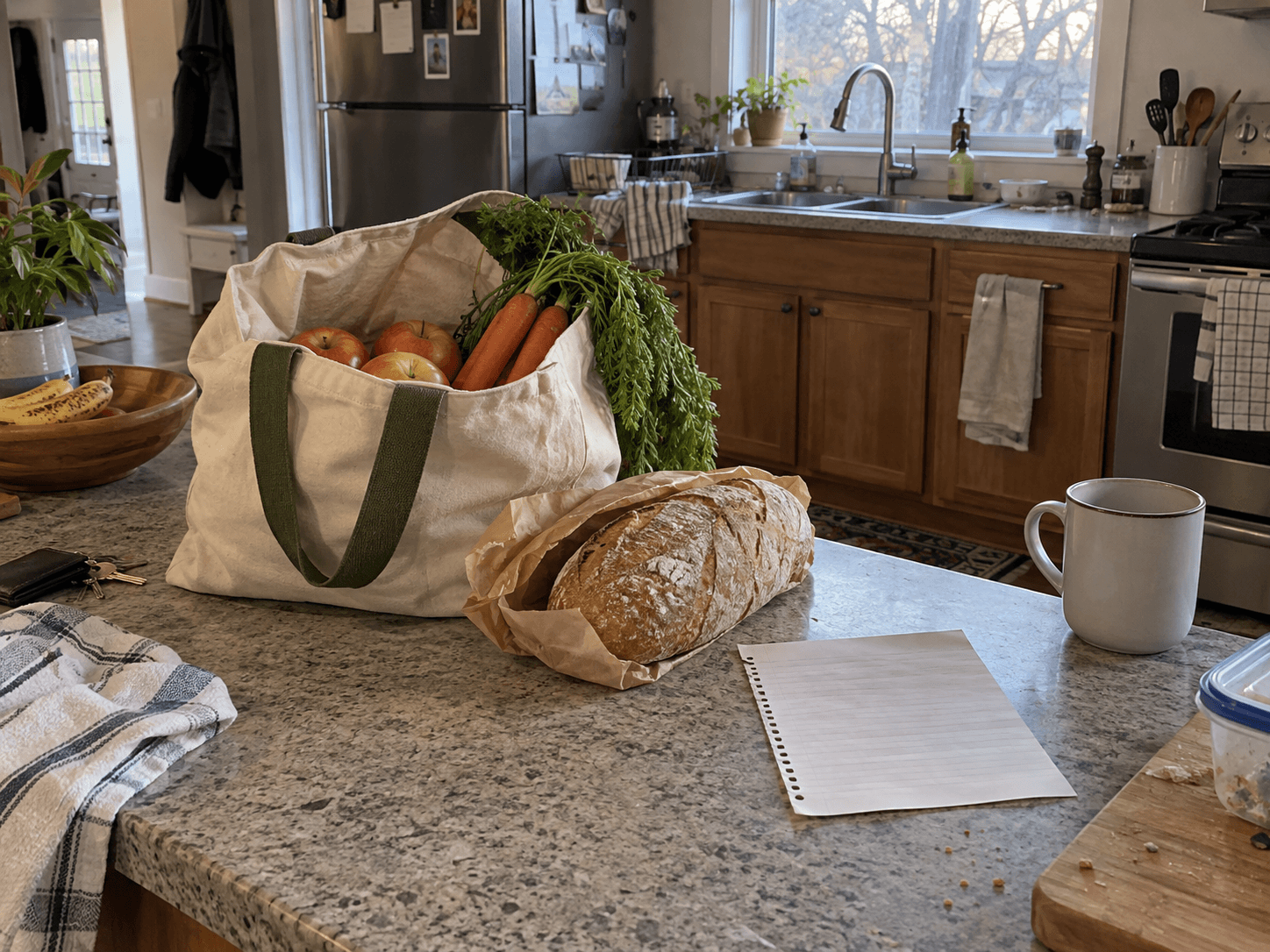
I crossed the special products off the list. The apples, carrots and bread stayed because I knew what I was going to do with them.
I kept the part I had wanted.
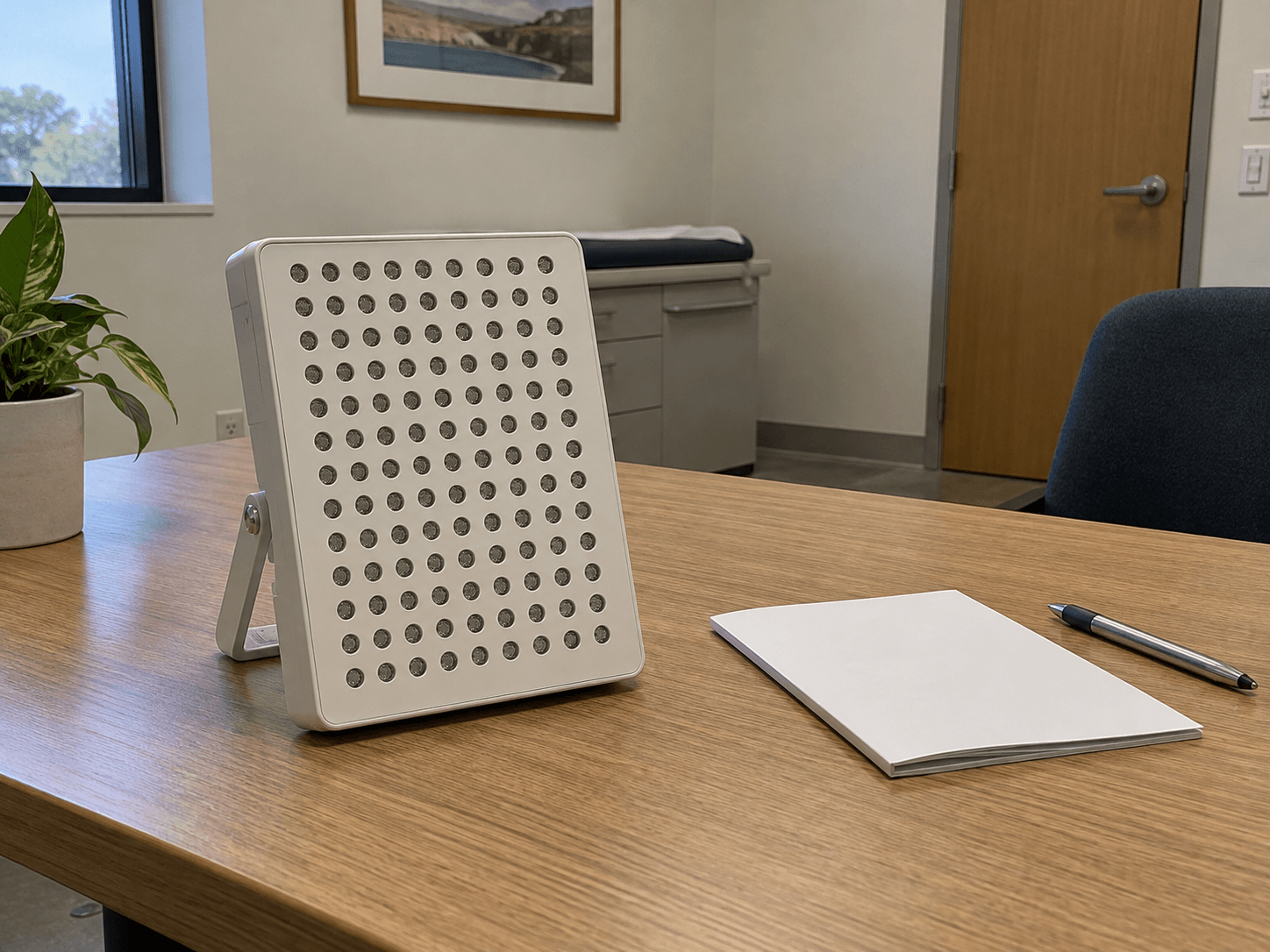
I cooked, met a friend and left a portion of the afternoon unplanned. I also considered a warm-room visit because I liked the experience, without requiring it to perform a cleanup operation I could not define.
None of this produced a dramatic before-and-after photograph. It did produce dinner and a weekend with fewer tasks in it.
On Sunday I found the original list under the grocery bag. It still contained the word reset at the top. Underneath, I wrote what I meant by it this time: food in the fridge, phone away during lunch, one afternoon without an errand.
That was a plan I could recognise when I had done it. It also left enough money for bread I actually liked.
Notes behind the story 01
Story details
First-person account ·