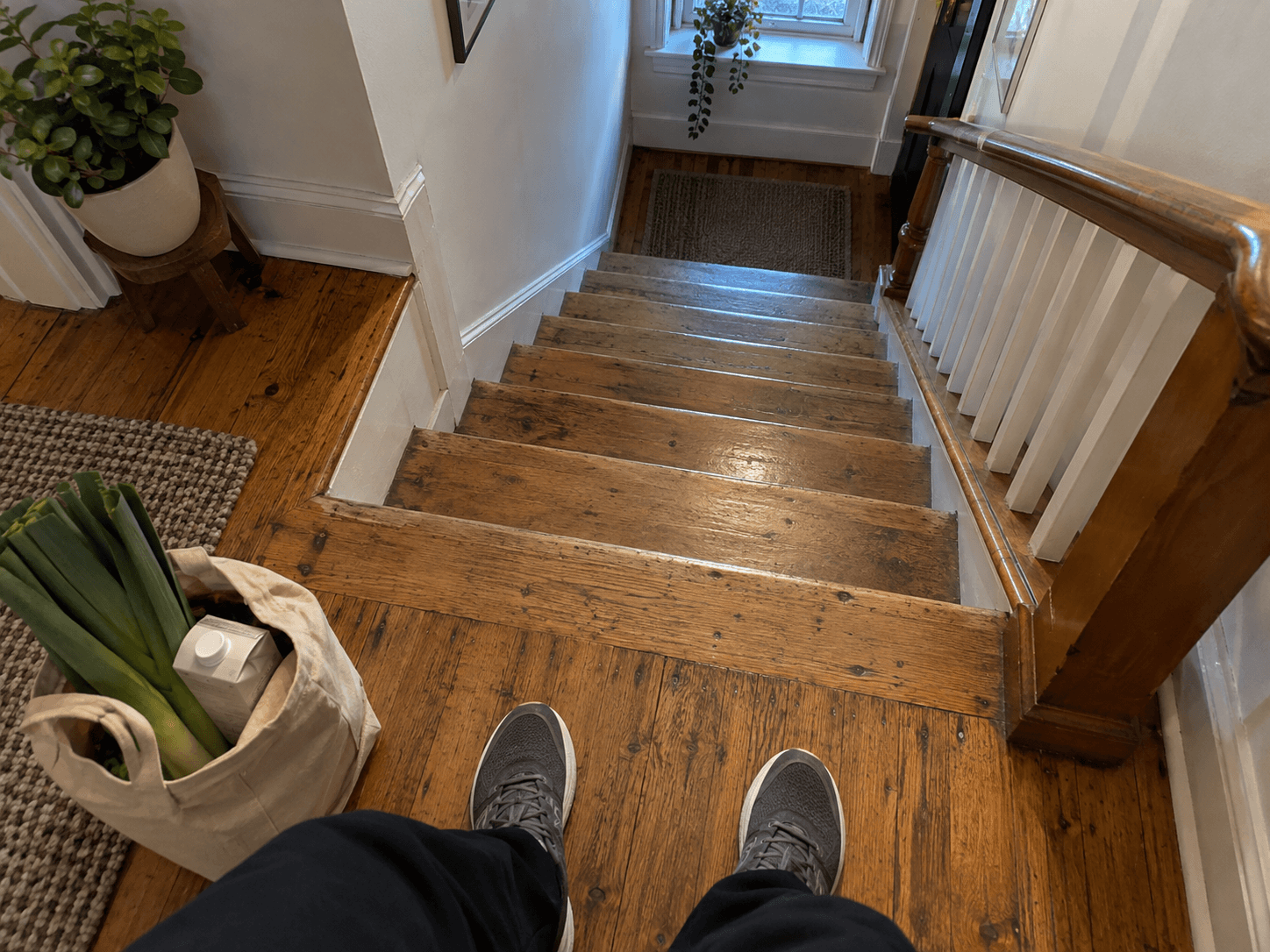
The leeks were sticking out of the grocery bag at the top of the stairs to my lower-level flat. I stood beside them, holding the handrail, and reconsidered how much soup one person needed to make.
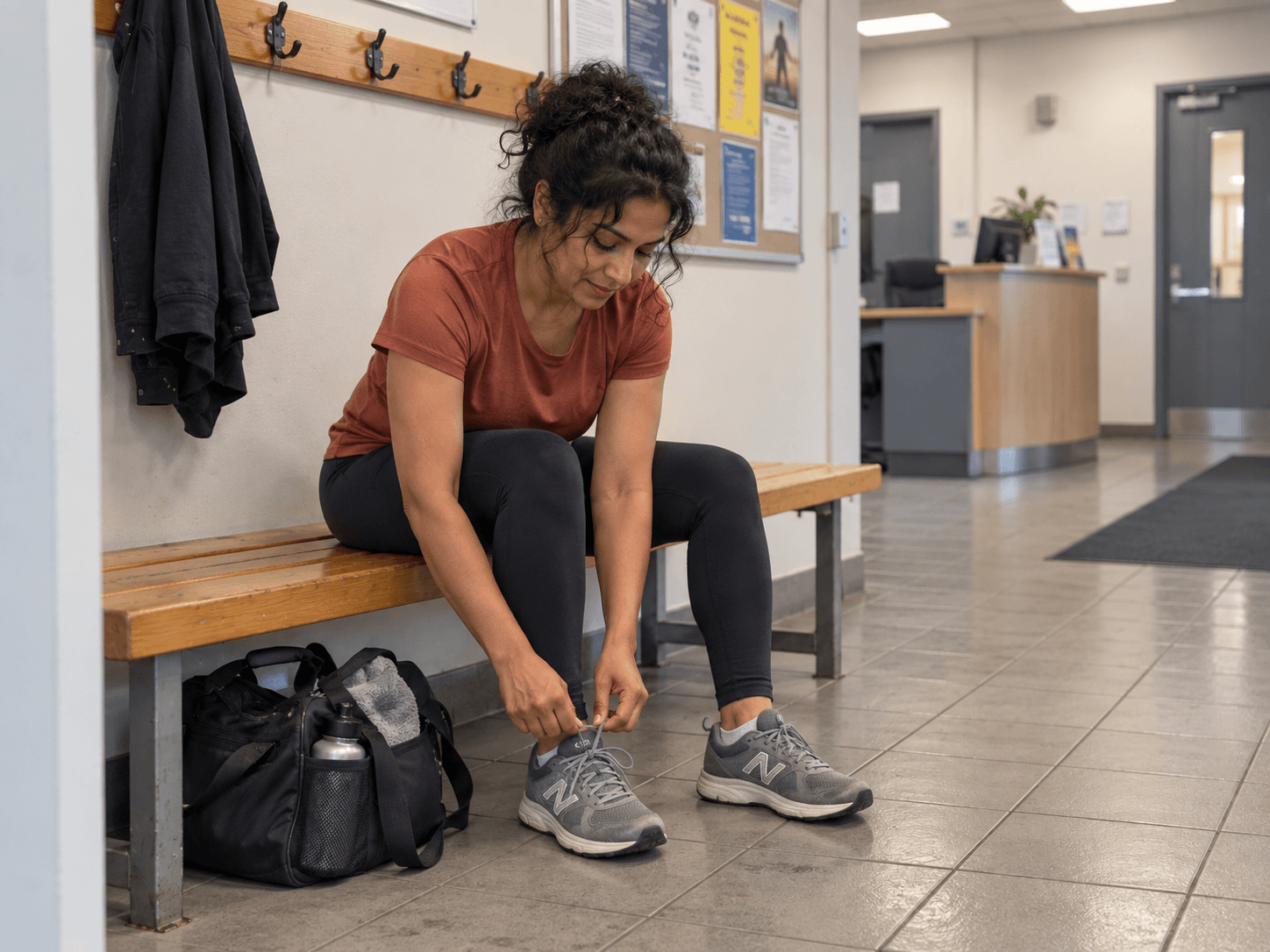
I had tried a new exercise class the day before. During the class, I had been very enthusiastic about keeping up. The next morning, sitting down had required more thought than usual.
A friend said being sore meant it had worked. I did not know whether that was true. I knew I was now negotiating with a staircase while carrying dairy products.
I asked a more useful question.
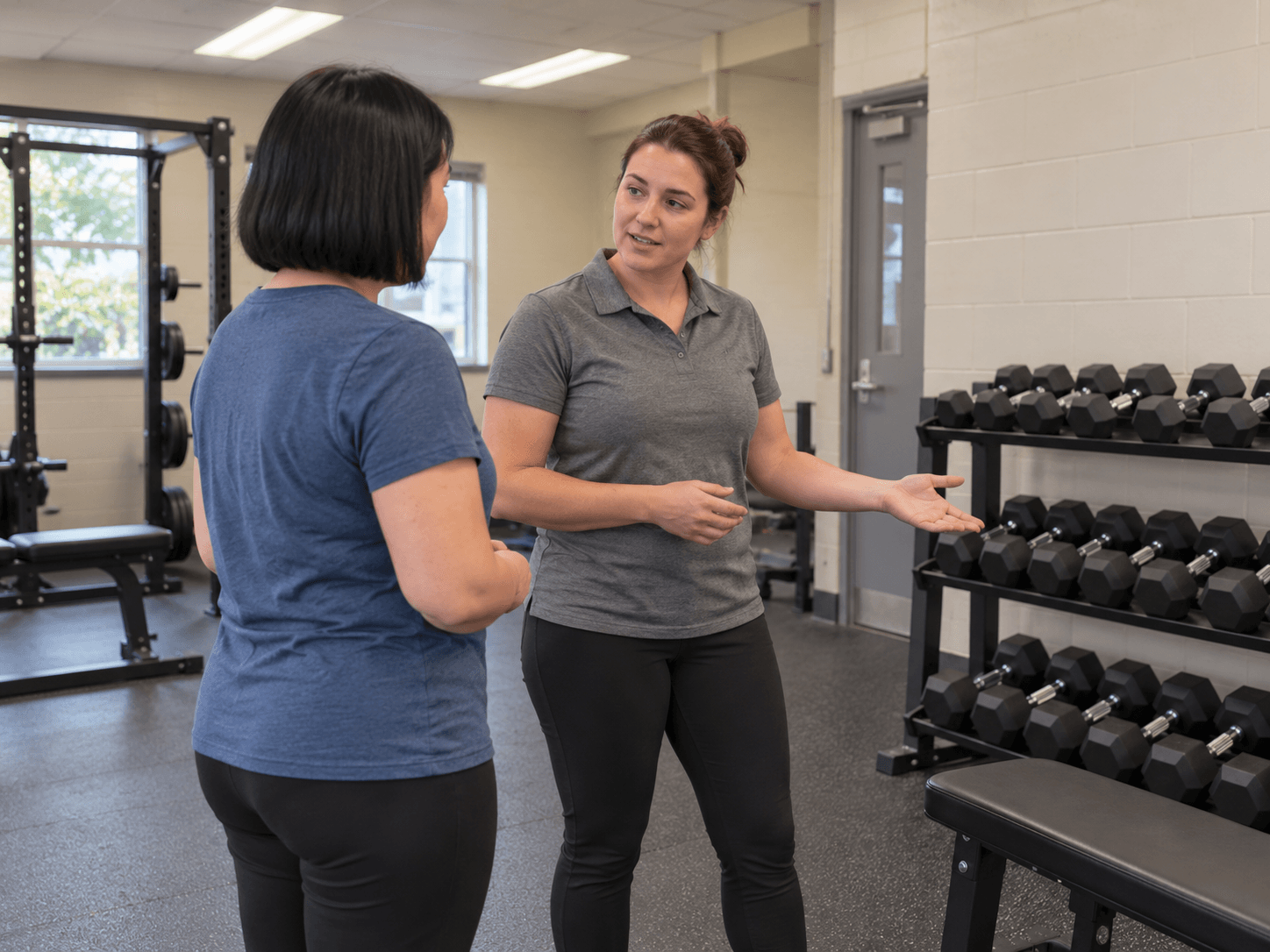
Instead of asking the instructor whether the class was meant to hurt, I described what I had done and when I noticed the discomfort. I wanted to know how to approach the next session, not collect approval for having finished the last one.
I also read about the difference between ordinary delayed soreness and symptoms that need medical attention. A story from a friend could not diagnose my legs. If something was severe, getting worse or interfering with normal movement, I would get proper advice rather than assume it was part of the programme.
There was room to start smaller.
For the next class I planned to ask about a more manageable starting point. I did not need to repeat every repetition performed by the woman beside me, who appeared to have been attending since before the building was painted.
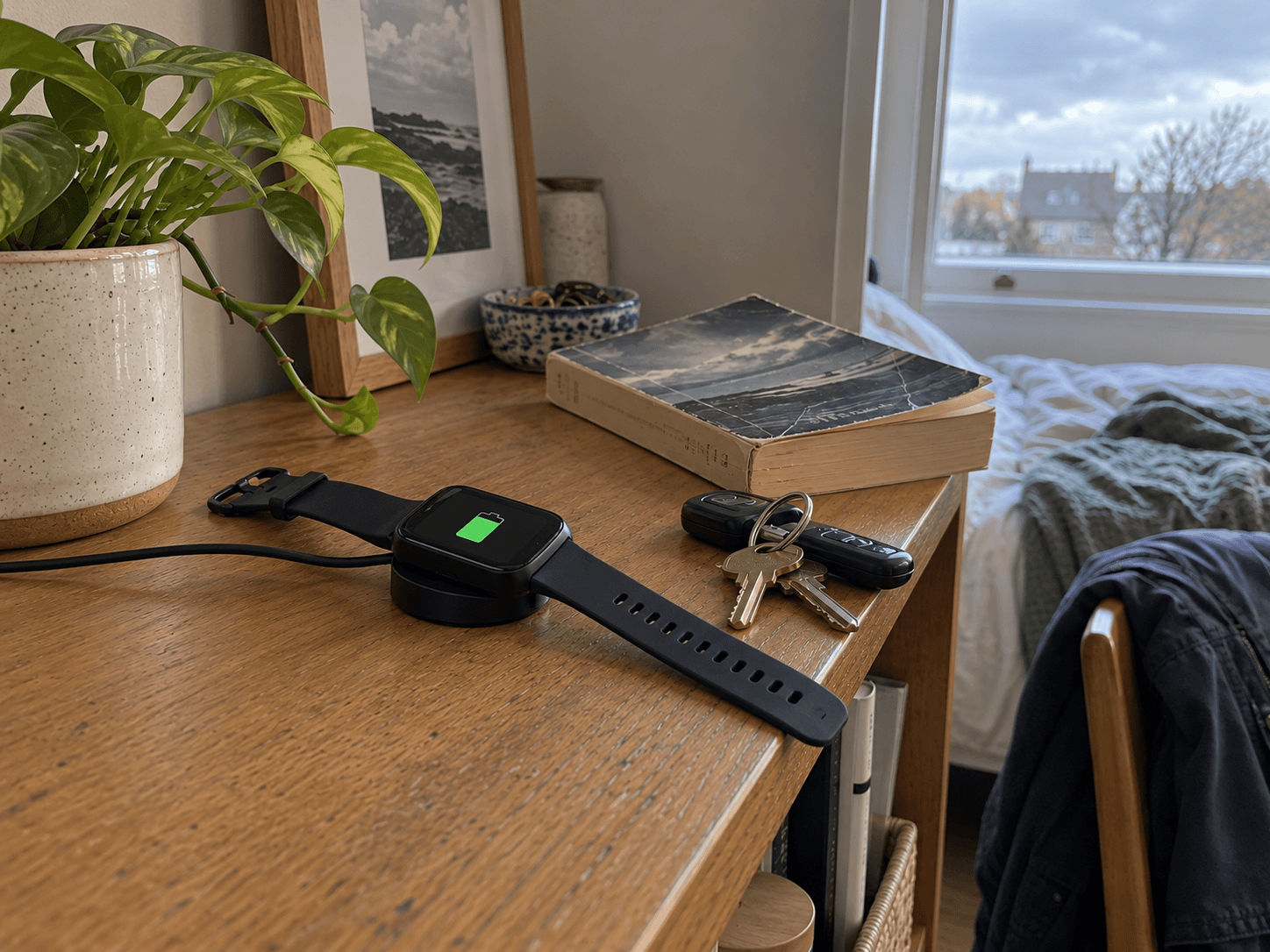
That afternoon, I left the bag on the landing while I put my keys away, then took things one manageable trip at a time. My neighbour carried the milk. I promised her soup and immediately remembered that this would require more containers.
The following week I brought my questions to class before it began. The instructor answered them. Nobody seemed disappointed that I had arrived with a plan smaller than my enthusiasm.
Notes behind the story 01
Story details
First-person account ·