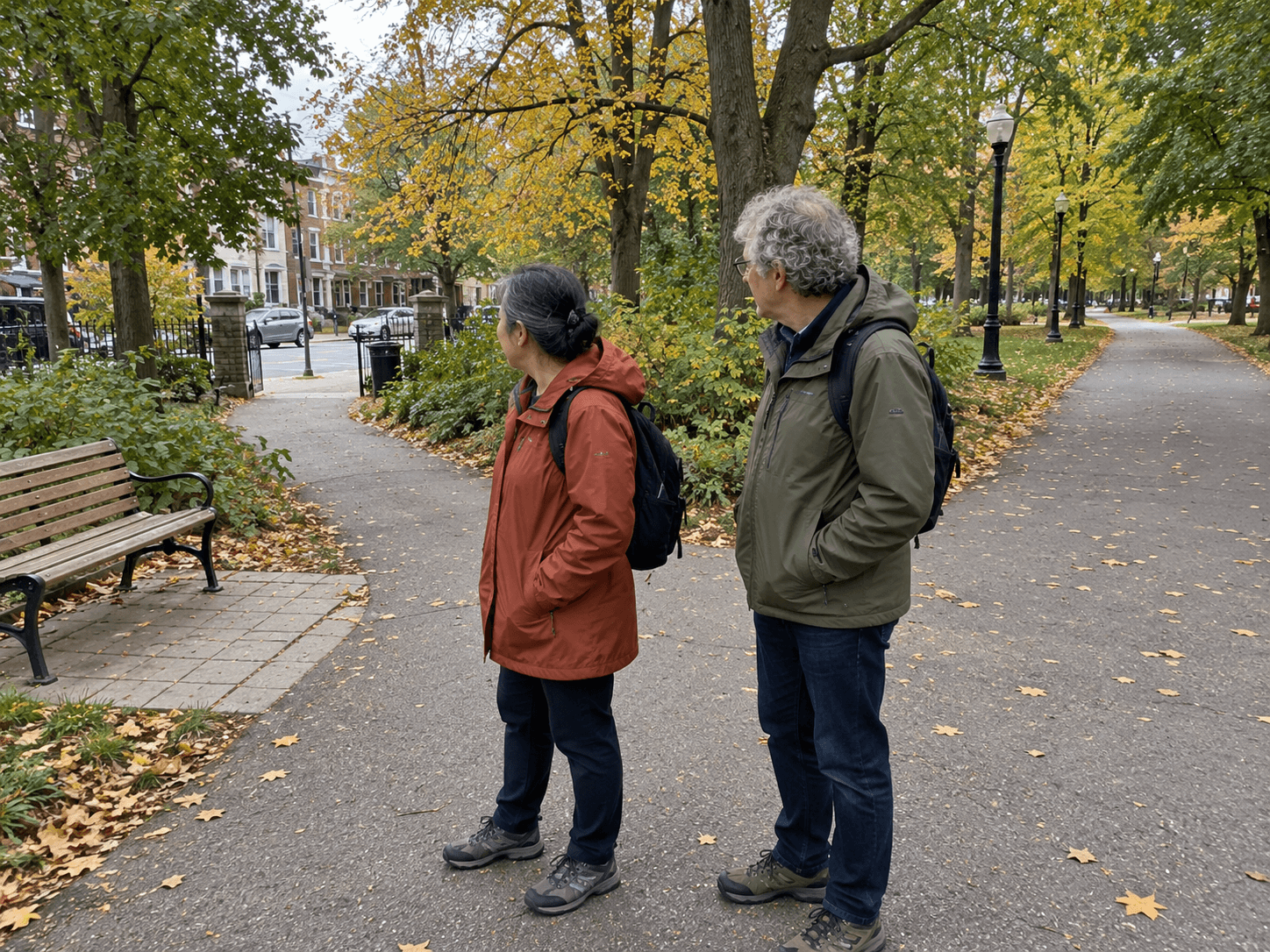
Before a walk, class or other outdoor activity, check the air-quality information for the place and time you intend to go. The view from the window cannot tell you the Air Quality Health Index. A familiar route also does not come with a permanent air-quality rating.
Use the AQHI and its health advice together.
Canada's AQHI reports four categories: low at 1-3, moderate at 4-6, high at 7-10 and very high above 10. The accompanying advice differs for the general population and people more vulnerable to air pollution. The number is a prompt to read the relevant message, not a personal safe-or-unsafe certificate.
At high risk, the published advice for at-risk people is to reduce or reschedule strenuous outdoor activity. For the general population, it is to consider that change if symptoms such as coughing or throat irritation occur. Above 10, the at-risk advice is to avoid strenuous outdoor activity; the general advice is to reduce or reschedule it, especially with symptoms.
Use the full current chart for the other categories and follow the guidance that applies to you. If you are unsure which advice fits a health condition, ask your healthcare professional rather than choosing a threshold from someone else's walking plan.
Look at now and later.
The federal AQHI service provides observed conditions and forecast maximums. Check your location, the observation time and the forecast period covering the outing. A morning value is not a promise about an evening activity. Read any local air-quality alert as well.
Suppose you planned a brisk walk after work. If the relevant health advice calls for reducing or rescheduling strenuous activity, decide what that means before leaving: move it to a more suitable time, reduce the exertion as advised or choose a different activity. Tell your companion about the change instead of making the decision at the meeting point.
A changed plan still needs checking.
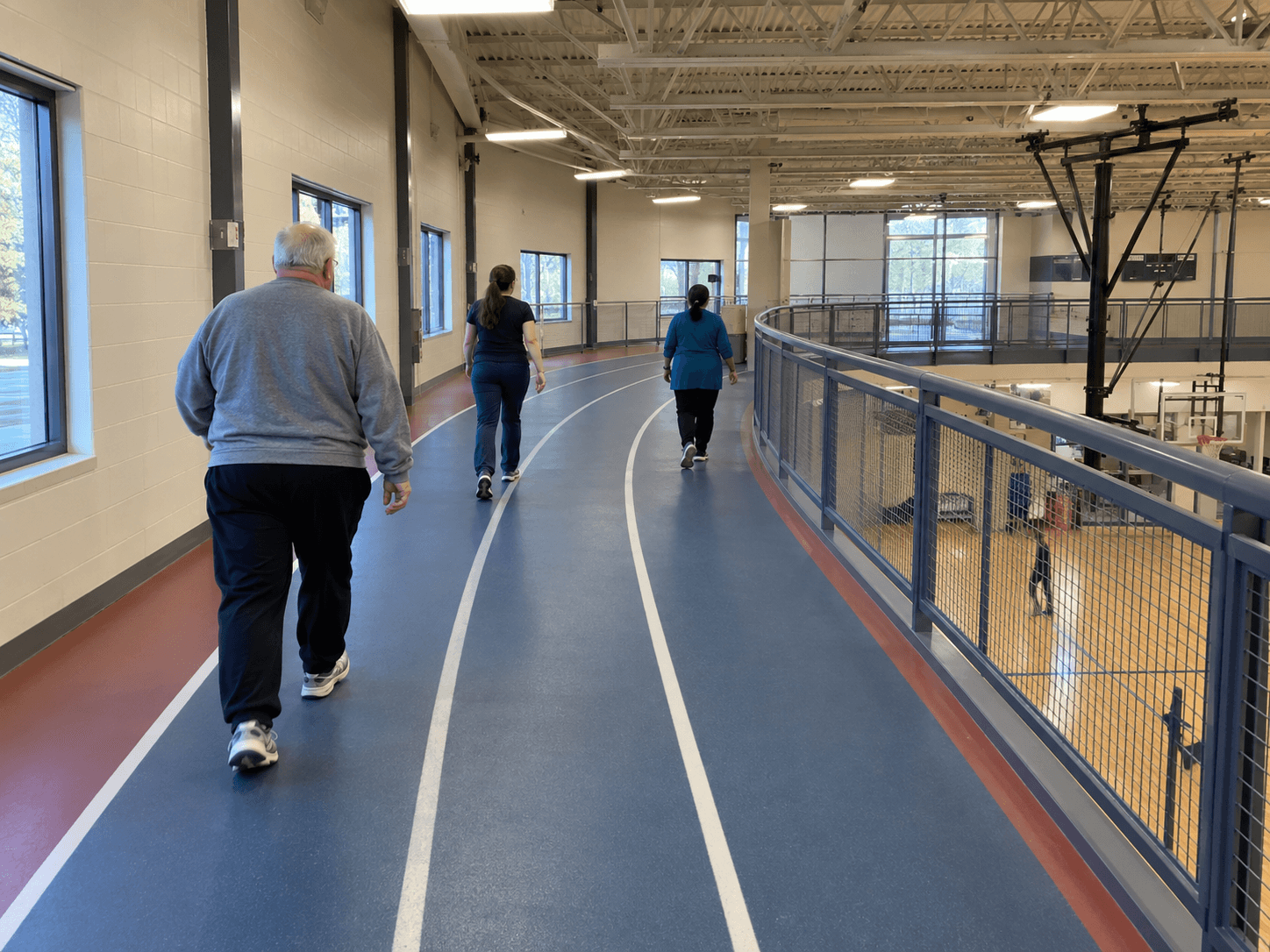
If you choose somewhere indoors, check its access and current public-health advice; being indoors does not by itself establish the air quality there. An open building and a suitable cleaner-air space are different questions.
Keep the alternative simple enough to use. You might agree to check the forecast again before deciding on another day, or meet for an activity that does not require the original outdoor effort. The useful choice follows the actual guidance and your circumstances, not an obligation to complete the outing because it is already in the calendar.
Notes & citations
Article details
- Published