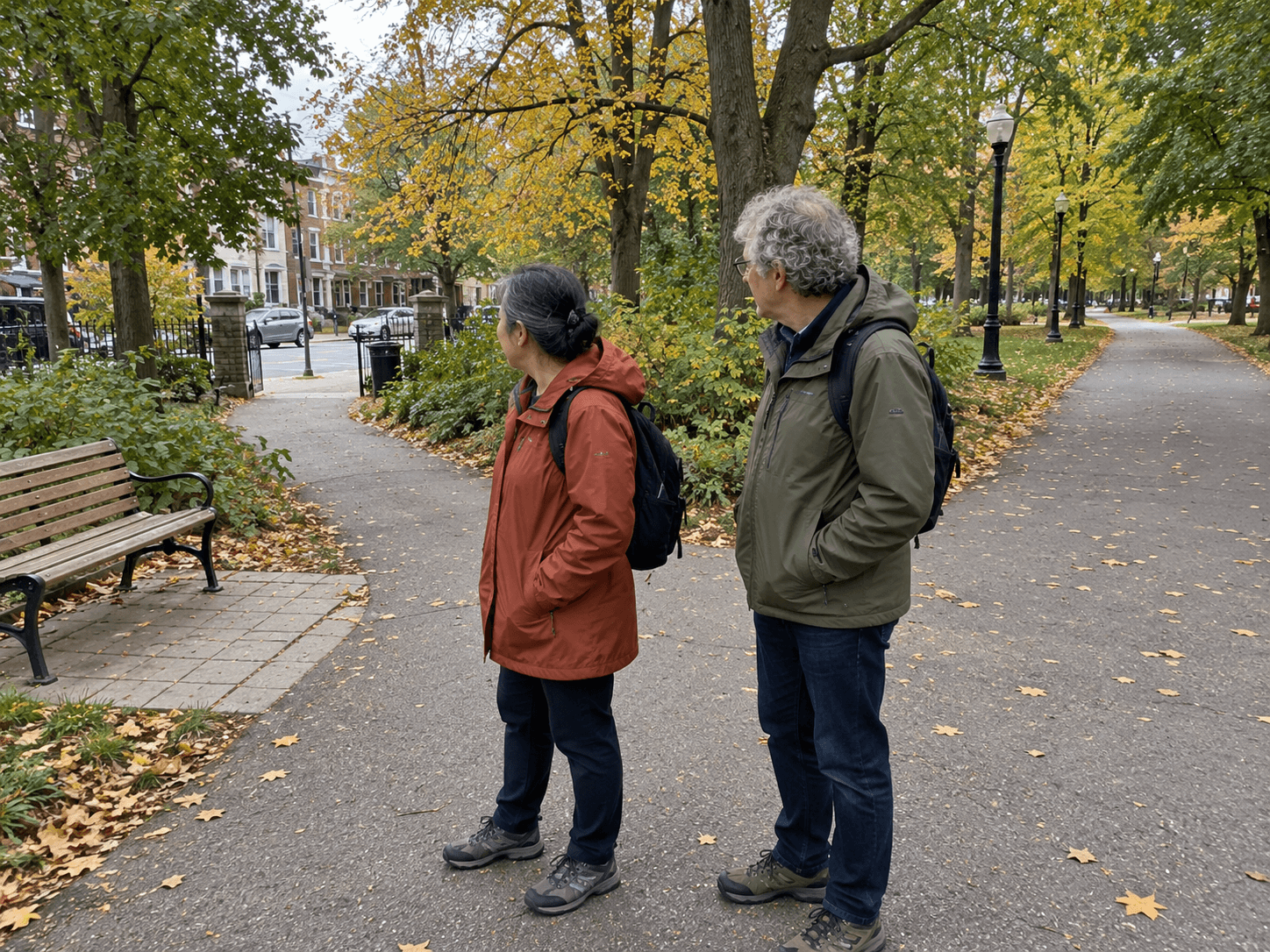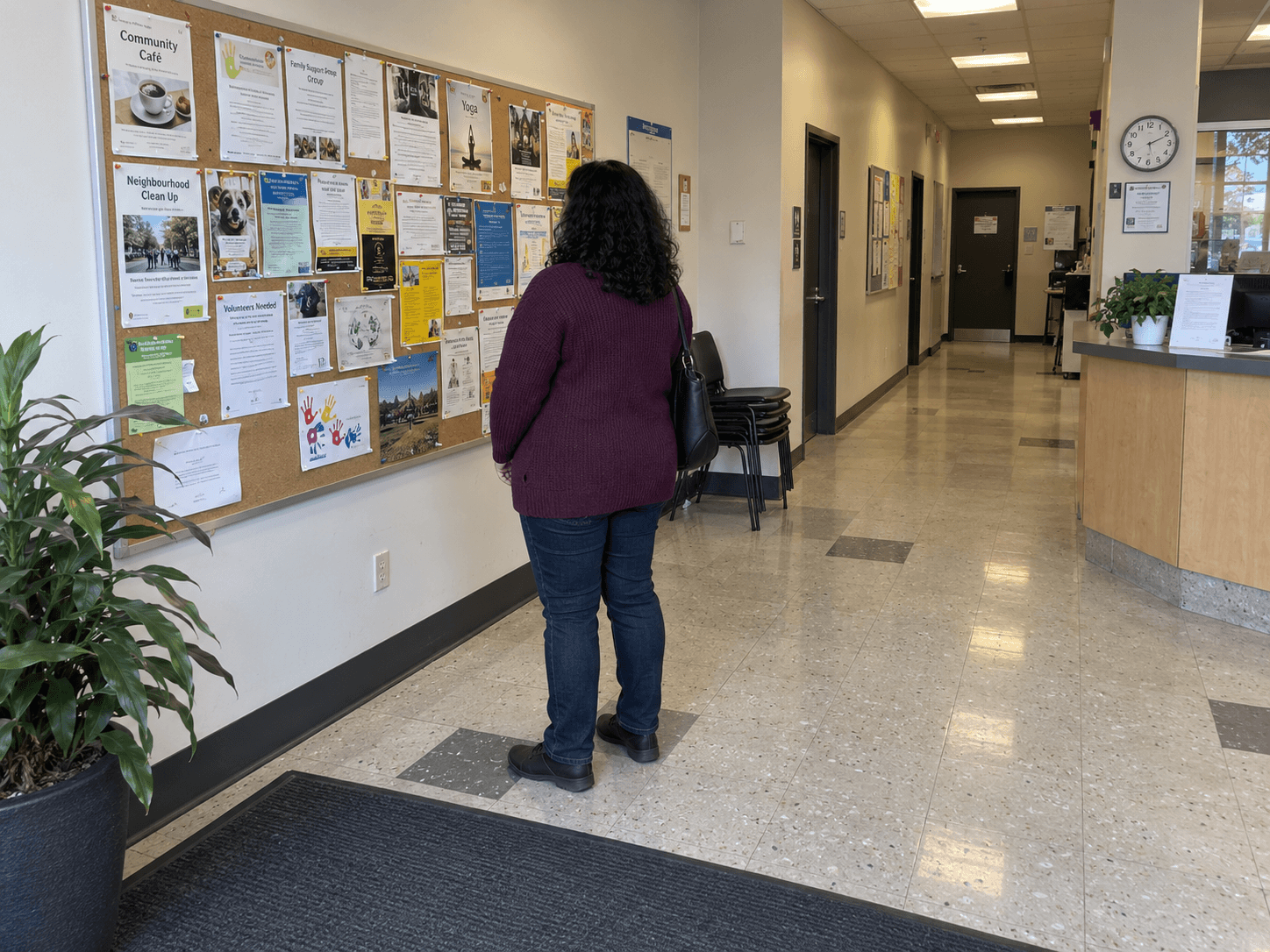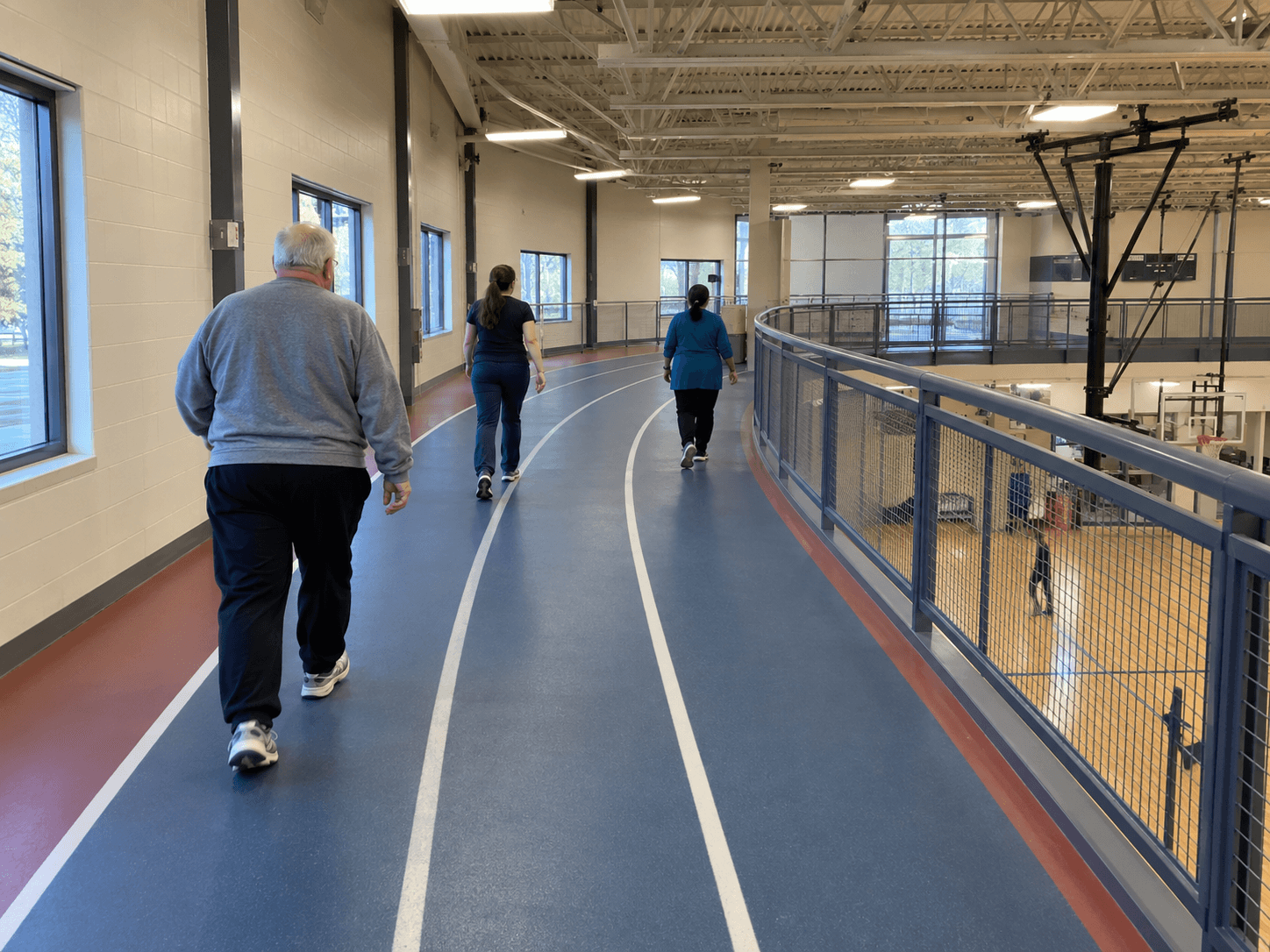
An indoor option is useful only when you can actually use it. A building may be open while its track is reserved, or a route may include a set of stairs you did not expect. Choose a specific place and time instead of relying on the general idea of walking somewhere under a roof.
Start with the listed activity.
The City of Toronto directs people looking for indoor walking to drop-in listings such as "Walking" or "Walking/Running Track." Its fitness guidance says track days and times vary by facility. Check the current listing and contact the centre if the arrangement is unclear.
Confirm whether your planned visit needs registration, a pass, a fee or another check-in step. Do not transfer the rules of one centre to another. Ask about the actual session rather than the building's general opening hours.
Find out what is inside.
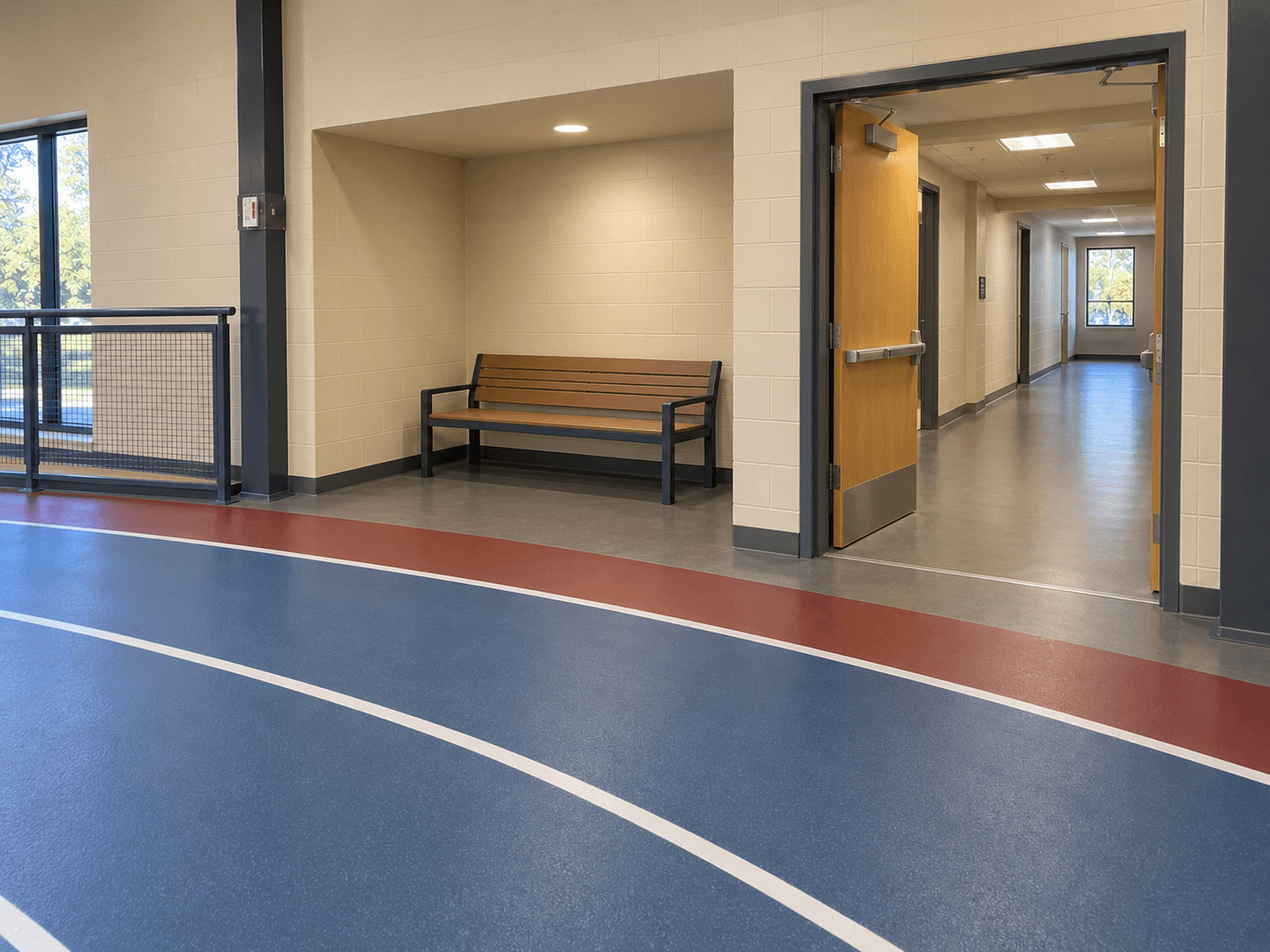
Look for the entrance, route to the walking area, seating and facilities that matter to your visit. If you need a lift or a particular access feature, confirm that route before travelling. A photograph of the track will not necessarily show the approach to it.
The City's walking/running-track description permits strollers and walking devices. Check with the chosen facility about any other practical question, including session-specific directions or where to leave belongings. A shared track can contain different paces; follow the posted rules rather than guessing a lane.
Try a small first visit.
For a first outing, leave yourself time to find the desk and understand the layout. Ask staff which direction to use and whether any part is closed. Choose a length that suits the day; a sheltered setting does not create an obligation to stay longer.
If you are considering a shopping centre or another privately managed building instead, check that place's access, opening times and rules directly. A public entrance does not mean every corridor is available for walking at every hour.
Weather, air-quality alerts and health circumstances can still change the plan. Indoor access alone is not proof of suitable air quality during a smoke event. Use the relevant current public-health advice and the information about the actual space.
After the first visit, keep the details that were useful: the entrance you used, the check-in arrangement and a realistic journey home. Next time you can spend less of the outing finding the outing.
Notes & citations
Article details
- Published