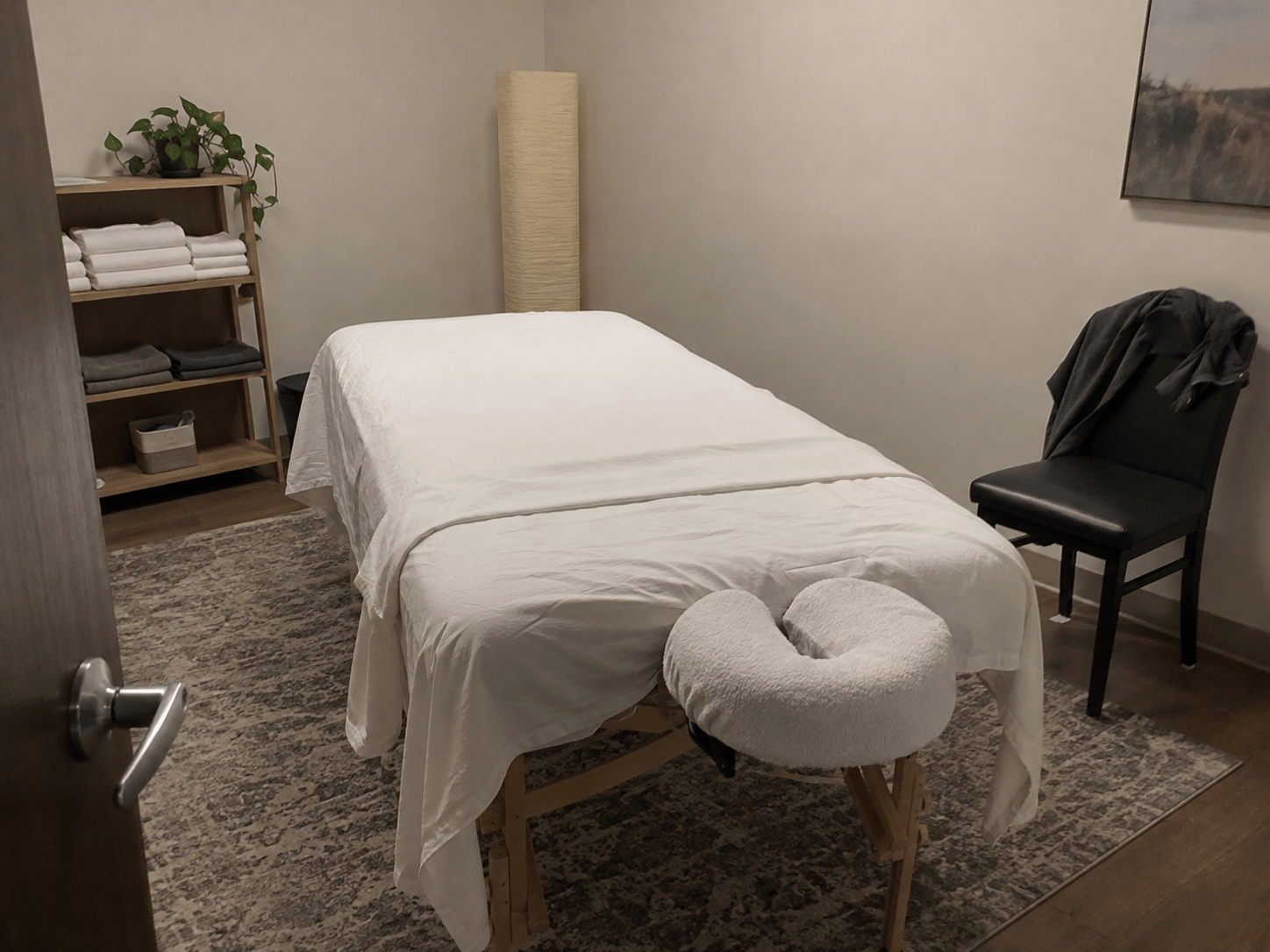
Pressure is something to discuss during treatment, not a score you need to achieve. Describe what feels comfortable and what does not, even if you originally asked for a firm massage.
Use words that describe the moment.
Try "lighter here," "that feels sharp," "please pause" or "this position is uncomfortable." These are more useful than saying everything is fine while waiting for a difficult part to end.
If you find it hard to speak up, say so before beginning. Ask how the therapist will check in and agree a clear way to pause. You can want a quiet appointment while still keeping that communication open.
Ask how the approach fits the goal.
CMTO expects therapists to discuss goals, invite questions and adapt communication to the patient's needs. Ask what the proposed technique is intended to do and what alternatives are available. You do not need to choose a level of discomfort based on somebody else's account of their appointment.
Your response may vary between areas and between visits. An earlier preference does not remove the need to adjust when something feels different today.
Report a concern instead of explaining it away.
CMTO's patient guidance makes clear that you can choose a comfortable amount of pressure and request changes or stop. If symptoms concern you during or after treatment, tell the practitioner and obtain medical advice where appropriate rather than assuming discomfort proves the treatment worked.
A useful note for next time can be simple: the position you preferred, the adjustment that helped communication, or the question you still want answered. Keep it about your experience and the agreed plan, rather than comparing how much pressure different people can tolerate.
Notes & citations
Article details
- Published