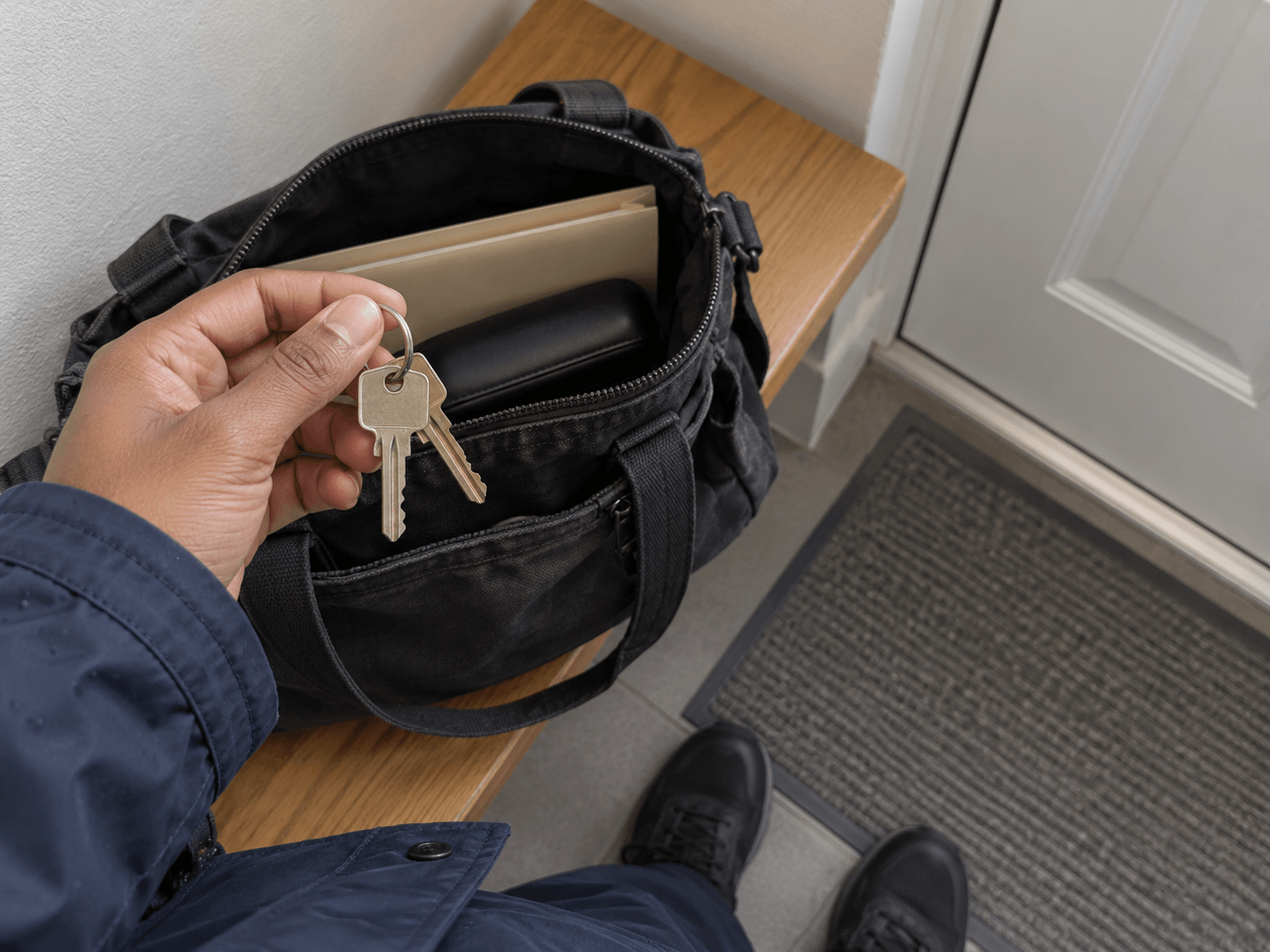
"Could you do this by Thursday?" my manager asked. My mouth was preparing to say yes while the rest of me conducted a rapid search for a second Thursday.
I had two things due already. One needed a review from another team. The other looked almost finished until I counted the pages that still contained the words "check this".
Usually I would have agreed, then tried to solve the timetable alone. This had produced some impressive late evenings and very little useful information for the person assigning the work.
I asked whether we could look at the three tasks together. My manager pulled up a chair. I had expected the question to sound confrontational. It sounded like a person moving a chair.
I described what was left.
I wrote each deadline on a card. Underneath, I put the remaining steps and the part waiting on somebody else. I avoided "nearly done", because that phrase had been concealing a surprising amount of work.
Then I asked: "If the new task needs Thursday, which of these should move, or who can take part of it?"
We did not discover that everything could be done in less time if I believed in myself. We discovered that the new request needed a rough outline on Thursday, not the finished document I had imagined. One of the other deadlines could move, provided we told the people waiting for it that afternoon.
My manager contacted them while I wrote down the revised order. The remaining review still needed chasing, and we agreed who would do that. None of this was glamorous. It was considerably more useful than the speech I had been rehearsing about being busy.
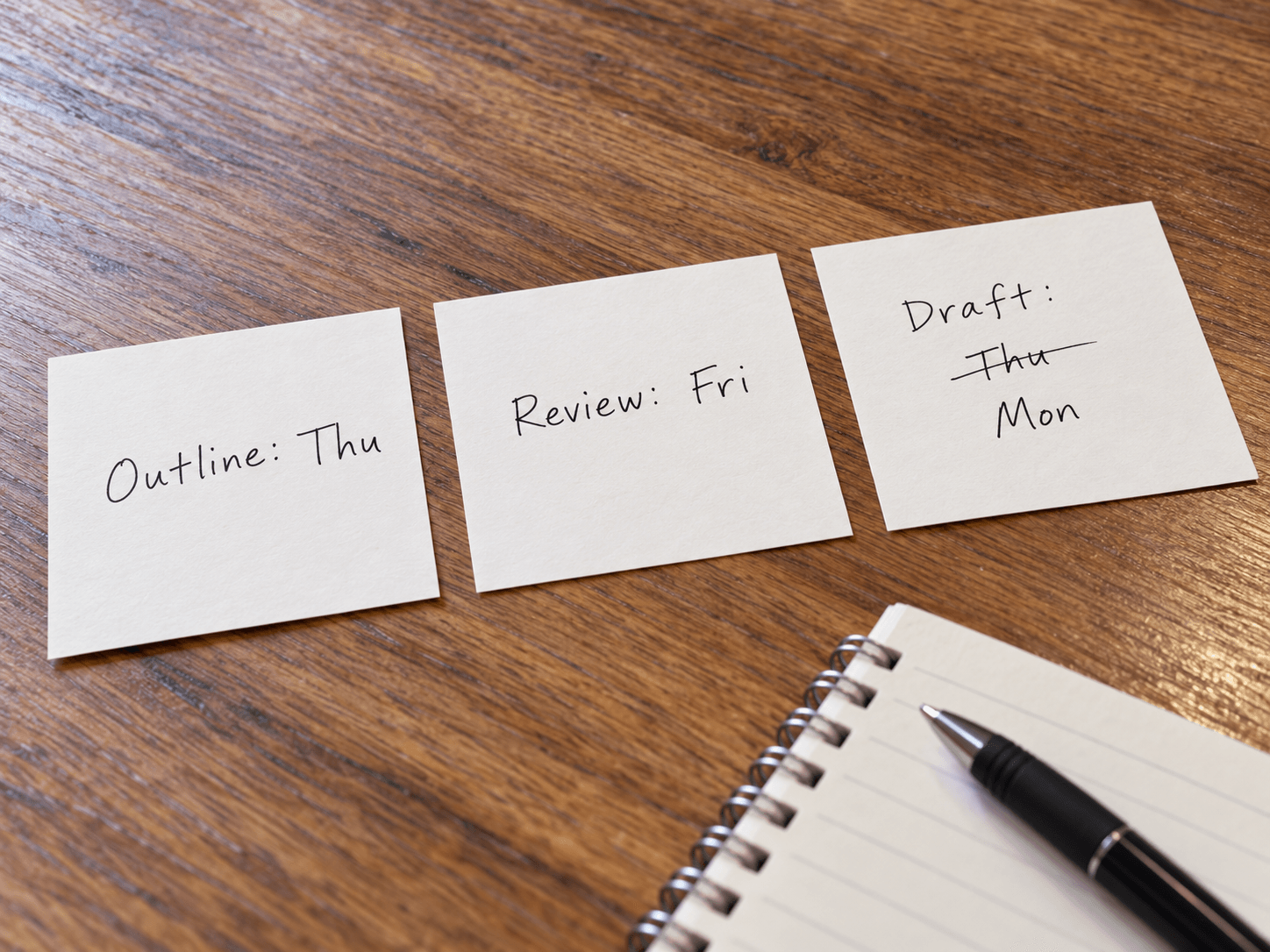
I sent the order back in writing.
My message was short: outline first, the reviewed document next, the last item on the revised date. I included the unresolved dependency so it would not disappear into the word "agreed".
There would be other weeks when no deadline moved. I had not found a sentence that could create staff or cancel a commitment. But I had stopped accepting the entire problem privately before anyone had looked at it.
On Thursday the outline was ready. My manager asked whether the shorter version had helped. I said yes. Then I asked whether the next request could say "outline" at the beginning.
She said that was fair. I put the three cards in the recycling. One still said "check this" on the back, which seemed like an appropriate final reminder of how the week had started.
Story details
First-person account ·