The cancellation arrived three minutes before the meeting. I was already arranging my face into its video-call expression when the calendar square went empty.
My first move was to open the task list. There was a document I could finish, a message I could answer and a small problem that would almost certainly become a large one if I invited it into the next half hour.
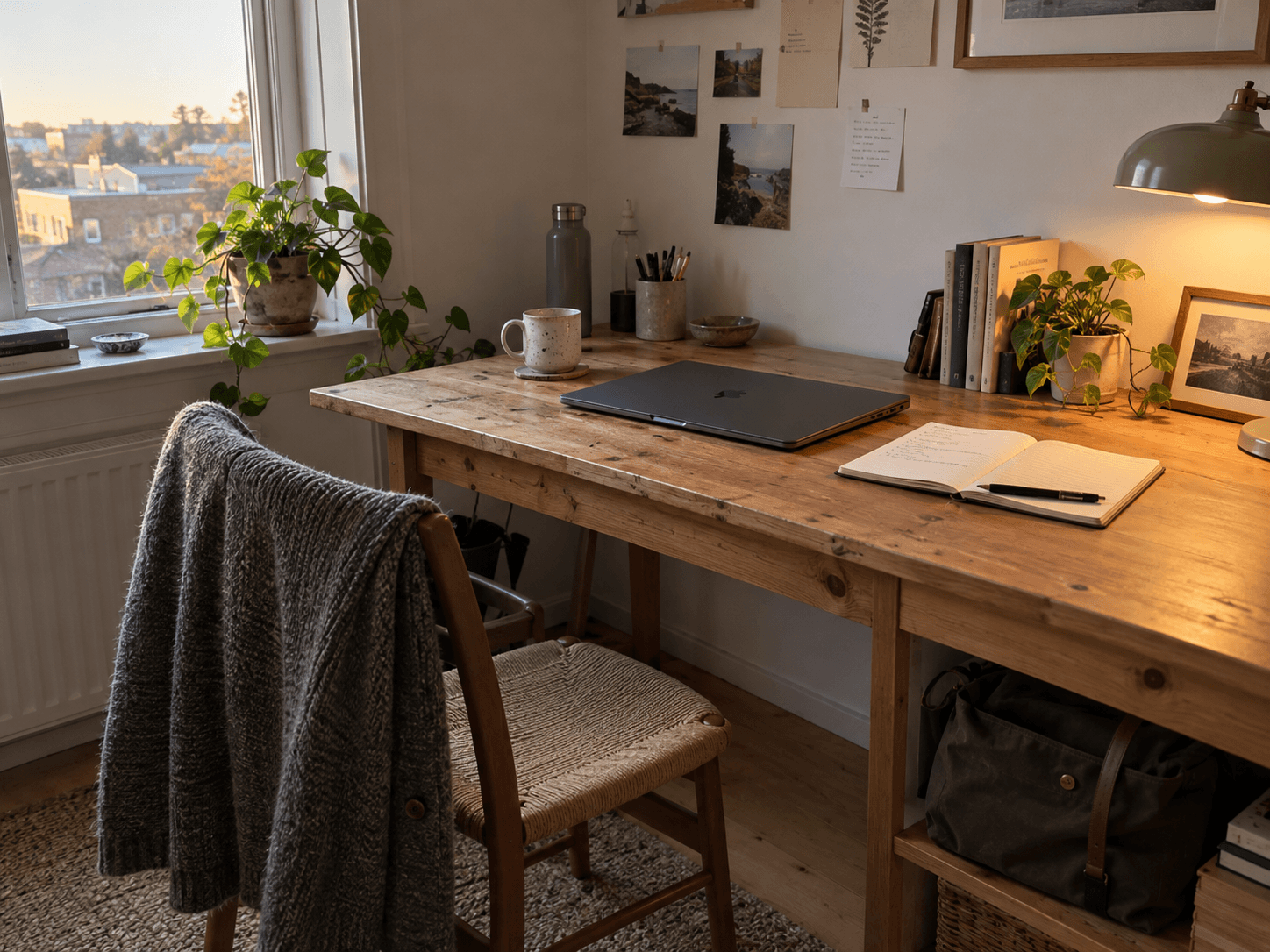
Then I realised I had been sitting in the same chair since breakfast. The mug beside me contained cold tea and a spoon I had no memory of using.
I left the square empty.
I shut the laptop, took the mug to the kitchen and made another cup. I did not carry my phone. Nobody was waiting for a reply before the next scheduled call, and I had checked the one thing that actually needed checking.
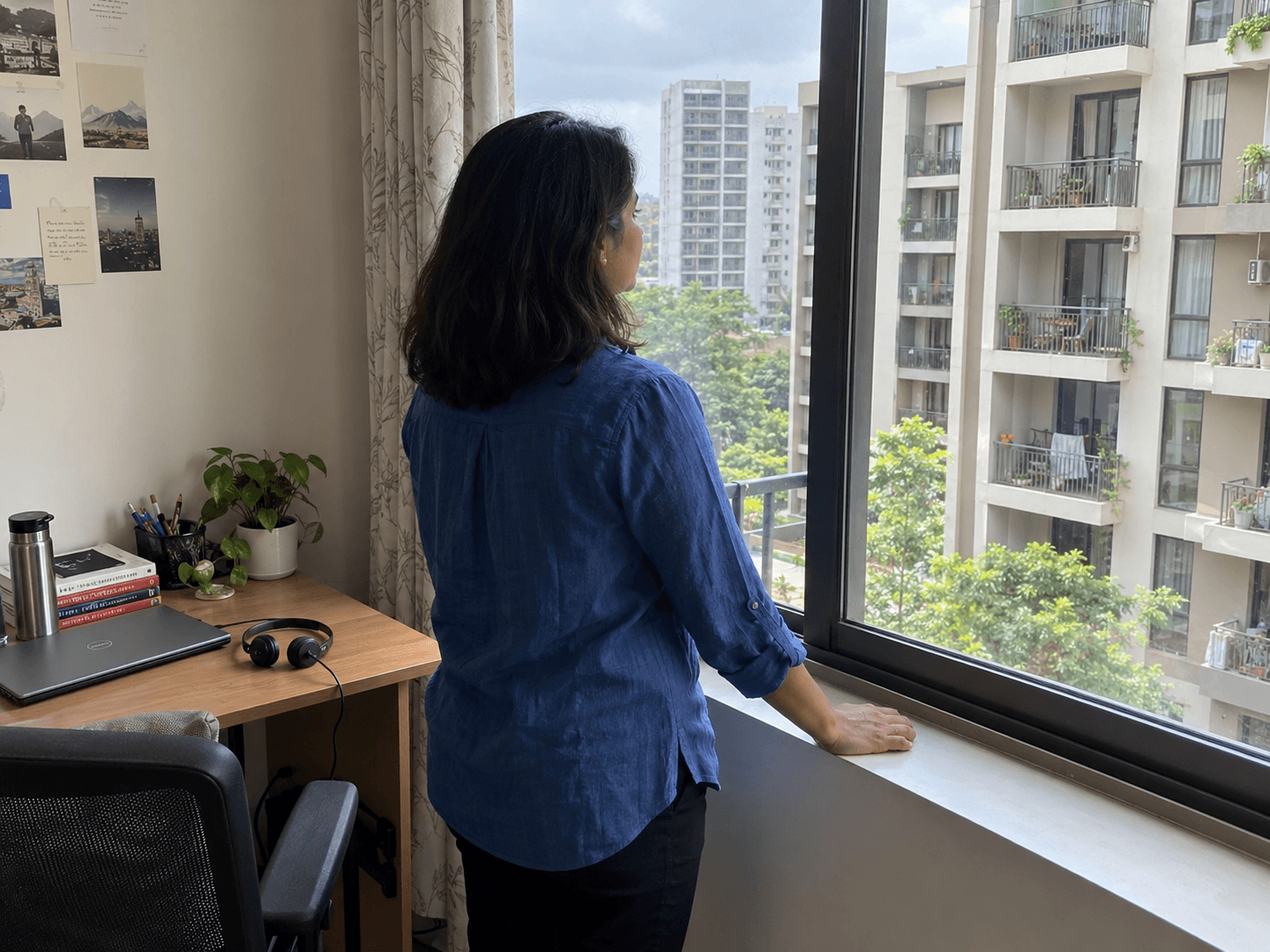
At the window, a neighbour was trying to persuade a fitted sheet to stay on a washing line. I watched long enough to become invested in the outcome.
I had expected the break to feel wasteful. Mostly it felt like having tea while it was hot.
I went back when it was time.
I set a reminder for the next call, then stopped consulting the clock. The document would still be there. It had been there during the meeting I was originally planning to attend.
When I reopened the laptop, nothing astonishing happened. I did not finish the afternoon in half the usual time or become a person with a permanently reasonable calendar.
I did, however, have one interval in the day that I had actually spent away from the desk.
At the next meeting, someone apologised for the cancellation. I said it had worked out well. I did not explain about the sheet, although I was pleased to report privately that it had eventually stayed up.
Story details
First-person account ·