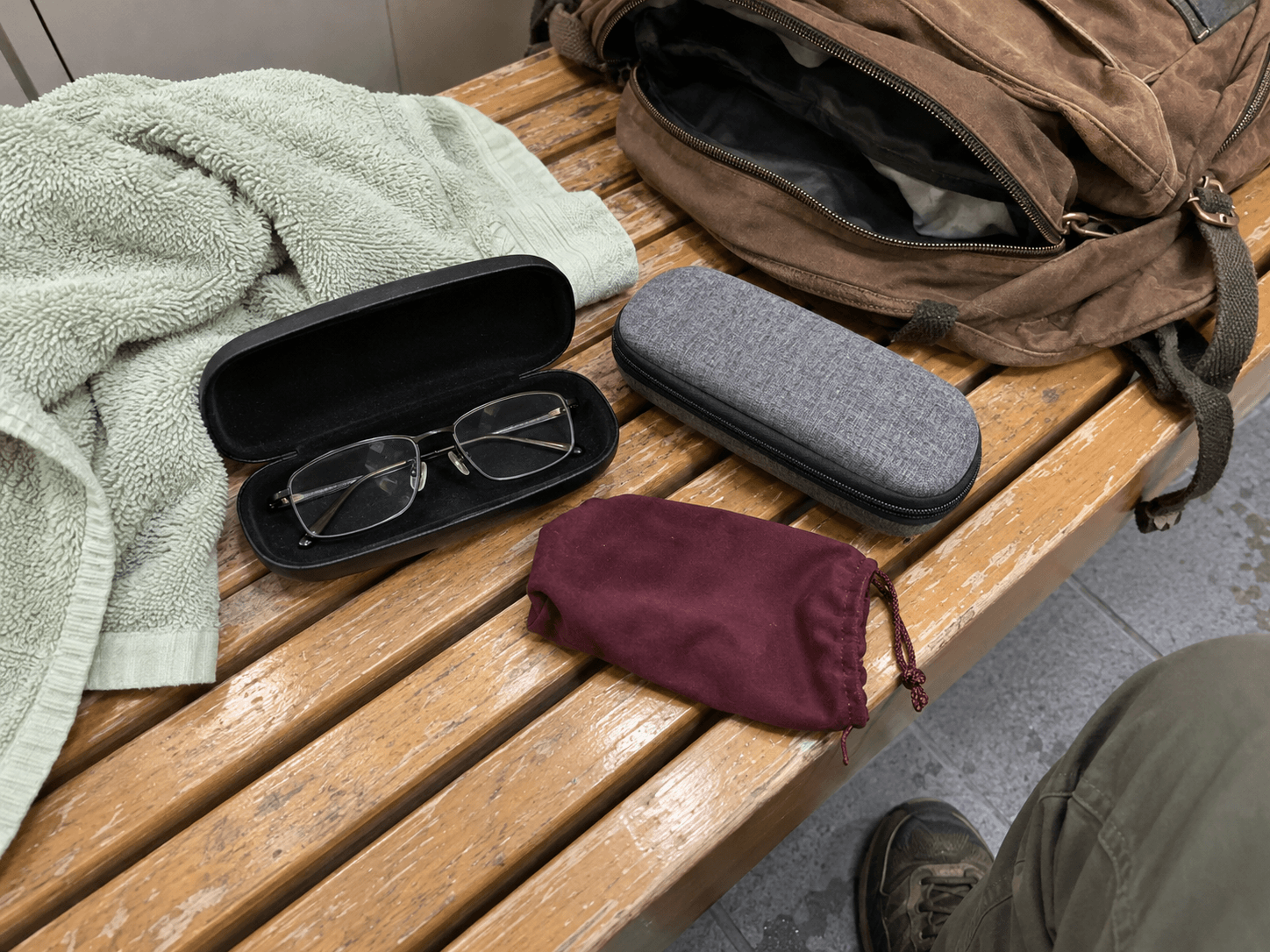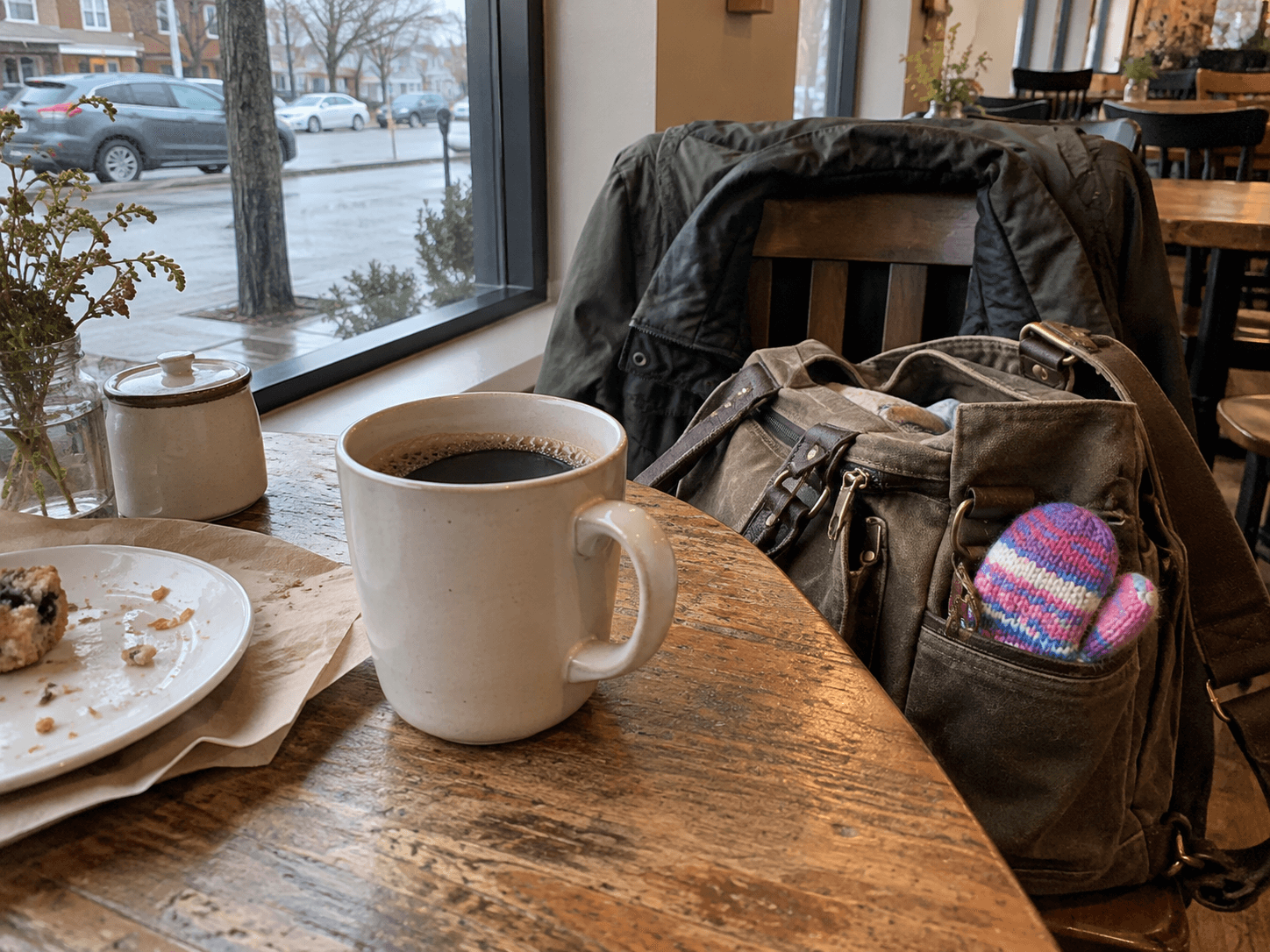
Fragrance is optional. If you prefer a space without added scent, begin there instead of trying to find the one candle or oil that will make a relaxation routine feel complete.
Make the request specific.
For a visit, ask which products are used in the treatment and surrounding areas. A room without a diffuser may still contain fragranced cleaning products, laundry products or toiletries. Explain the practical arrangement you need and ask what the venue can actually provide.
CCOHS notes that terms such as scent-free, fragrance-free and unscented are not consistently defined, and that some unscented products may contain ingredients that mask odour. A label alone cannot establish whether a particular setting or product will suit you.
Start with fewer additions at home.
You can enjoy a clean towel, comfortable lighting, music or a book without adding a scent. In a shared home, ask before using fragranced products in a common room. Something you enjoy may make the space less comfortable for another person.
Keep the conversation about the arrangement rather than whether a smell is objectively pleasant. The useful question is whether everyone can use the room comfortably.
Confirm rather than assume.
If fragrance exposure causes health symptoms for you, follow advice from your health professional and check suitability before the appointment. Do not treat a general statement about natural ingredients as a guarantee.
A venue may be able to change a product or identify a better option, but you need its actual answer before relying on that arrangement. If the setting cannot meet your needs, choosing another activity is a practical decision. A restful afternoon should not depend on persuading yourself to ignore a known problem.
Notes & citations
Article details
- Published