One person wants a long bath. Another needs to wash before an early shift. A third has been waiting to brush their teeth while politely pretending to look for something in the hall. Shared bathrooms work better when the agreement covers the whole evening, including the small jobs.
Find the fixed points first.
Ask when someone genuinely needs access, rather than starting with whose routine is more reasonable. "I leave at six tomorrow and want to be in bed by ten" gives the household something to plan around. "You take forever" supplies considerably less useful information.
For a longer use, name a start and an approximate finish: "Could I have the bathroom from eight to half past? Do you need anything first?" Leave room for the answer to change the proposal. Agreeing a time does not mean nobody can have an urgent need in the meantime.
Decide how to ask for a change. A knock and a clear question may be enough; a message can help if the door is closed and you prefer not to shout. Do not rely on everybody hearing a phone in another room. Privacy still matters: agreement about timing is not permission to enter.
Leave the next person a usable room.
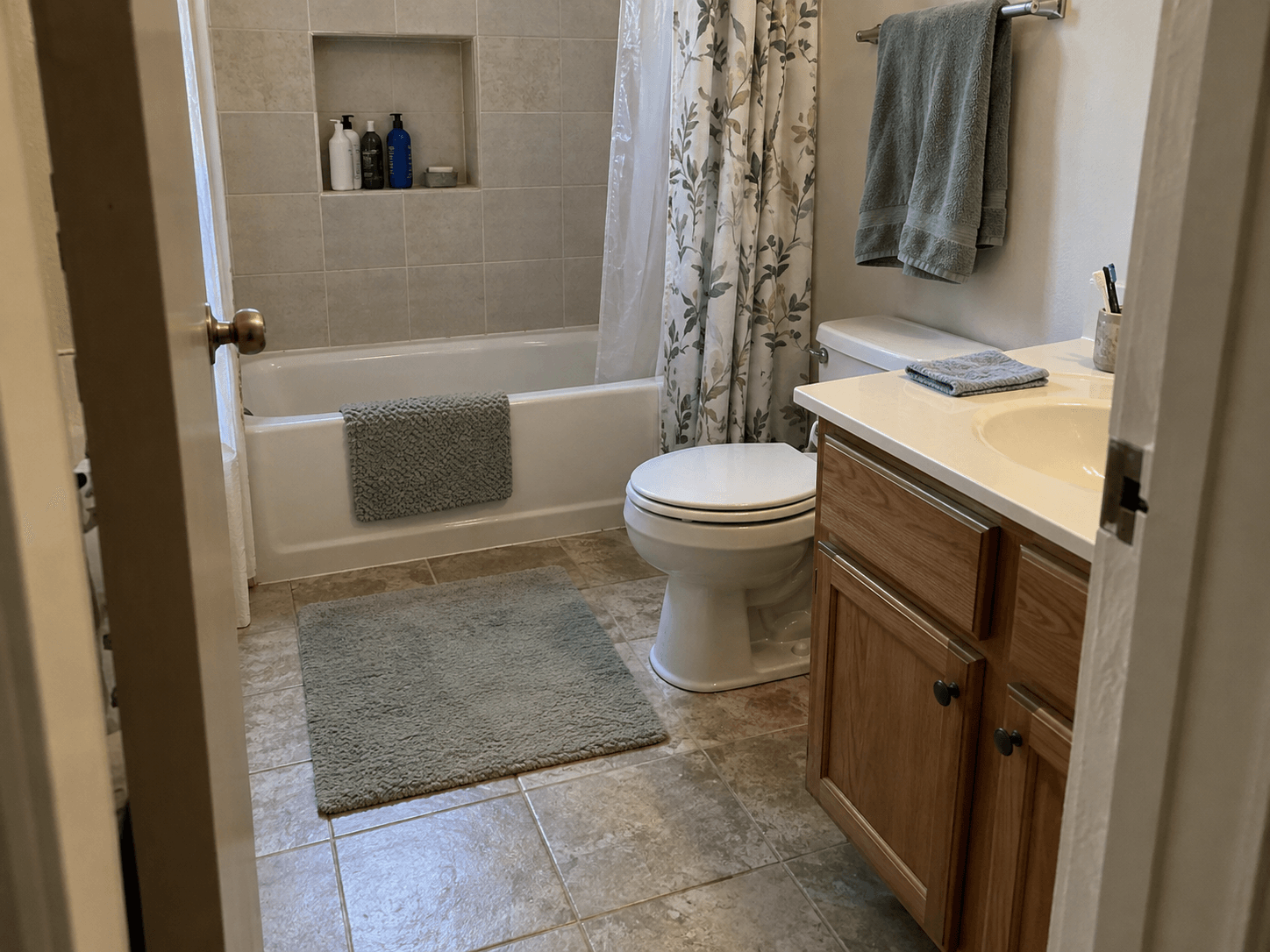
Discuss what "finished" includes. It could mean clearing personal items from the sink, putting a towel on its own hook and leaving the floor dry. A short, shared definition is easier to follow than discovering that each person has been using a different one.
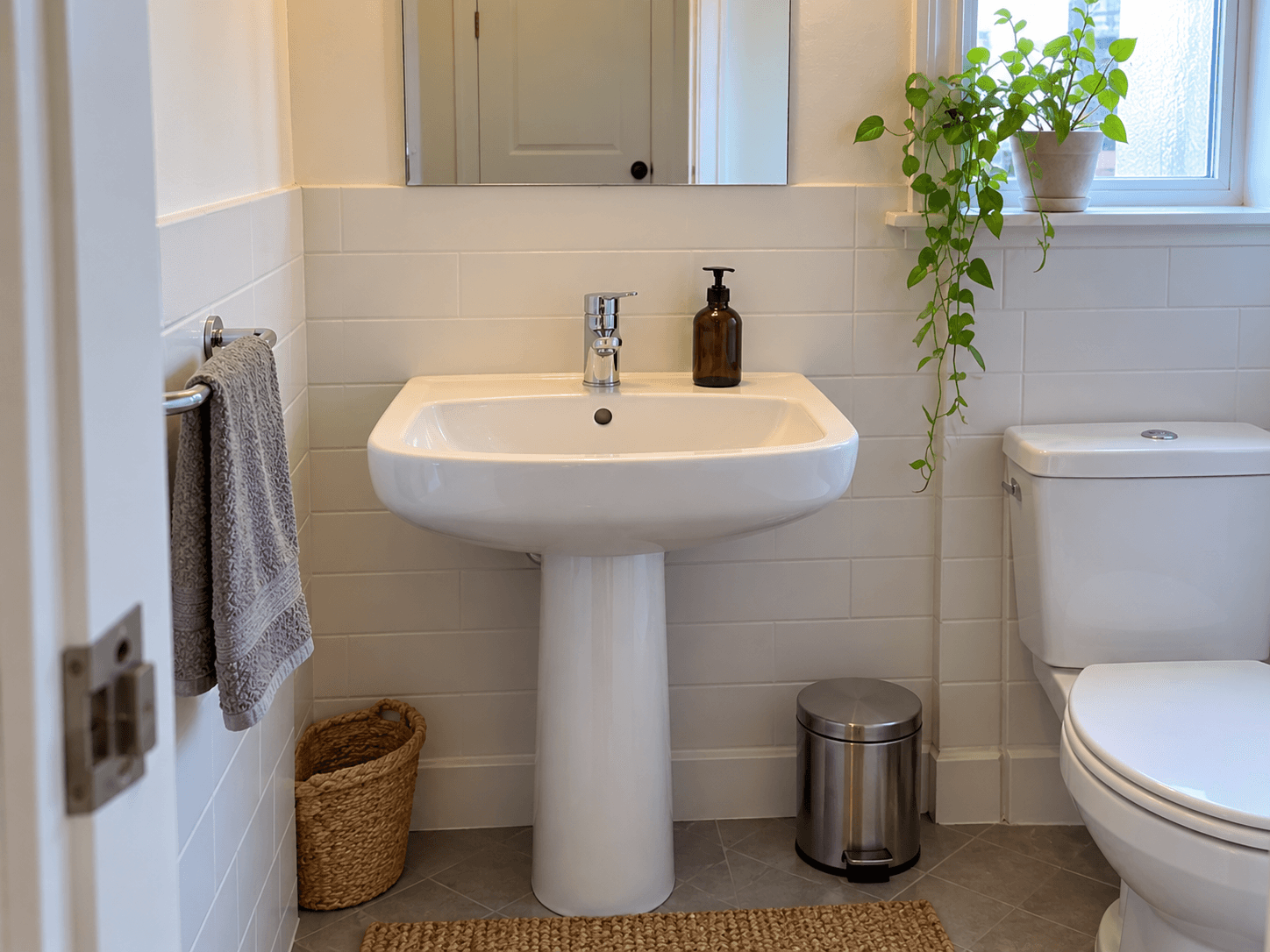
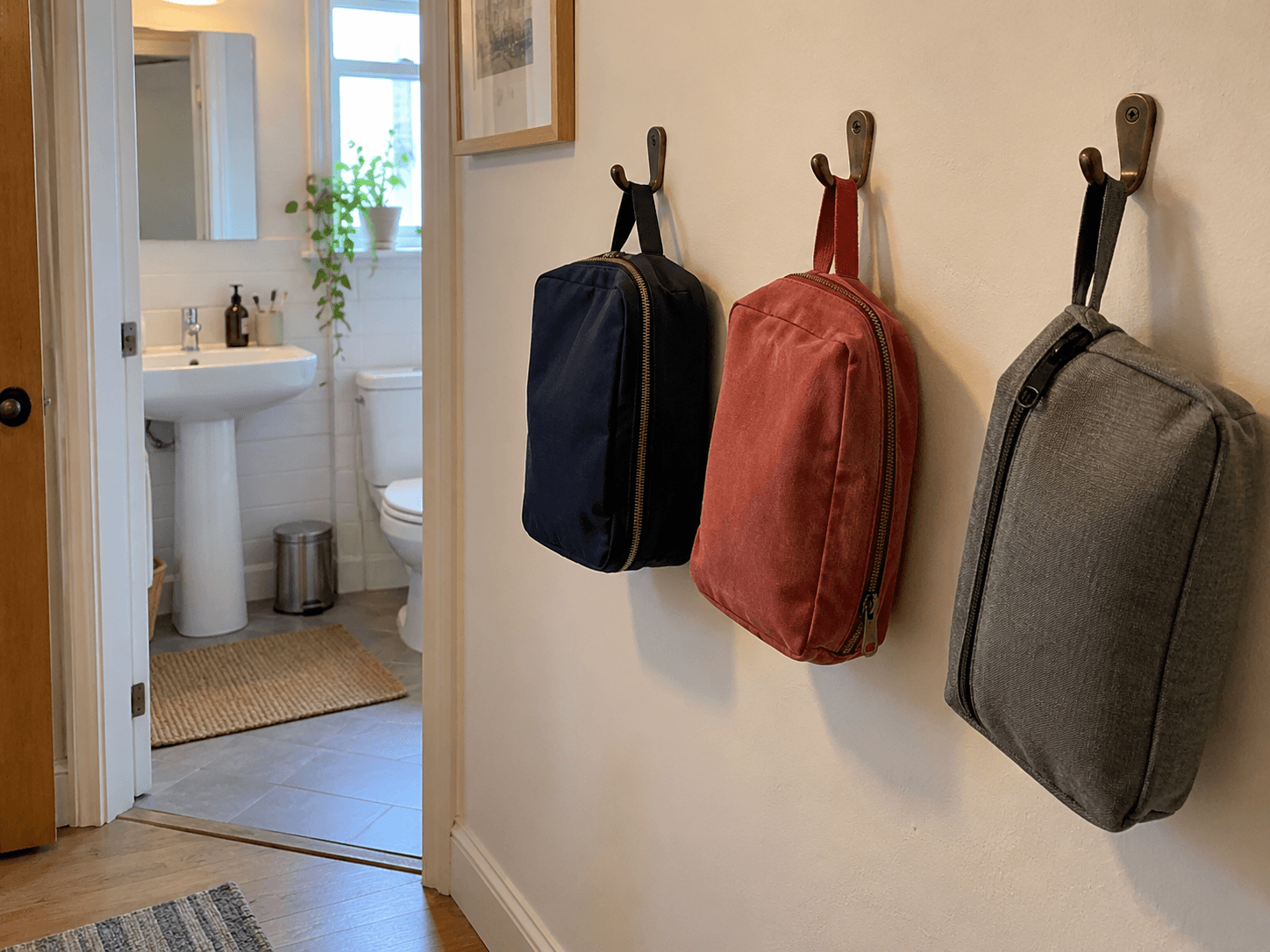
Give each person a storage place that fits the room. In a tiny bathroom, taking a wash bag back to the bedroom may work better than dividing a narrow basin into three imaginary territories. Ask before moving someone else's products, and keep what they need within their reach.
Change the agreement when the evening changes.
Try the arrangement on ordinary days, then name the part that did not work: the bath ran late, a new shift starts earlier, or the shared shelf is too full. Adjust that part. You do not need to rewrite the household constitution because somebody bought a larger shampoo bottle.
For guests, explain the same practical details in advance. For a week with an unusual schedule, make a temporary plan and say when it ends. The point is predictable access, with enough flexibility for the people actually living there.
Article details
- Published