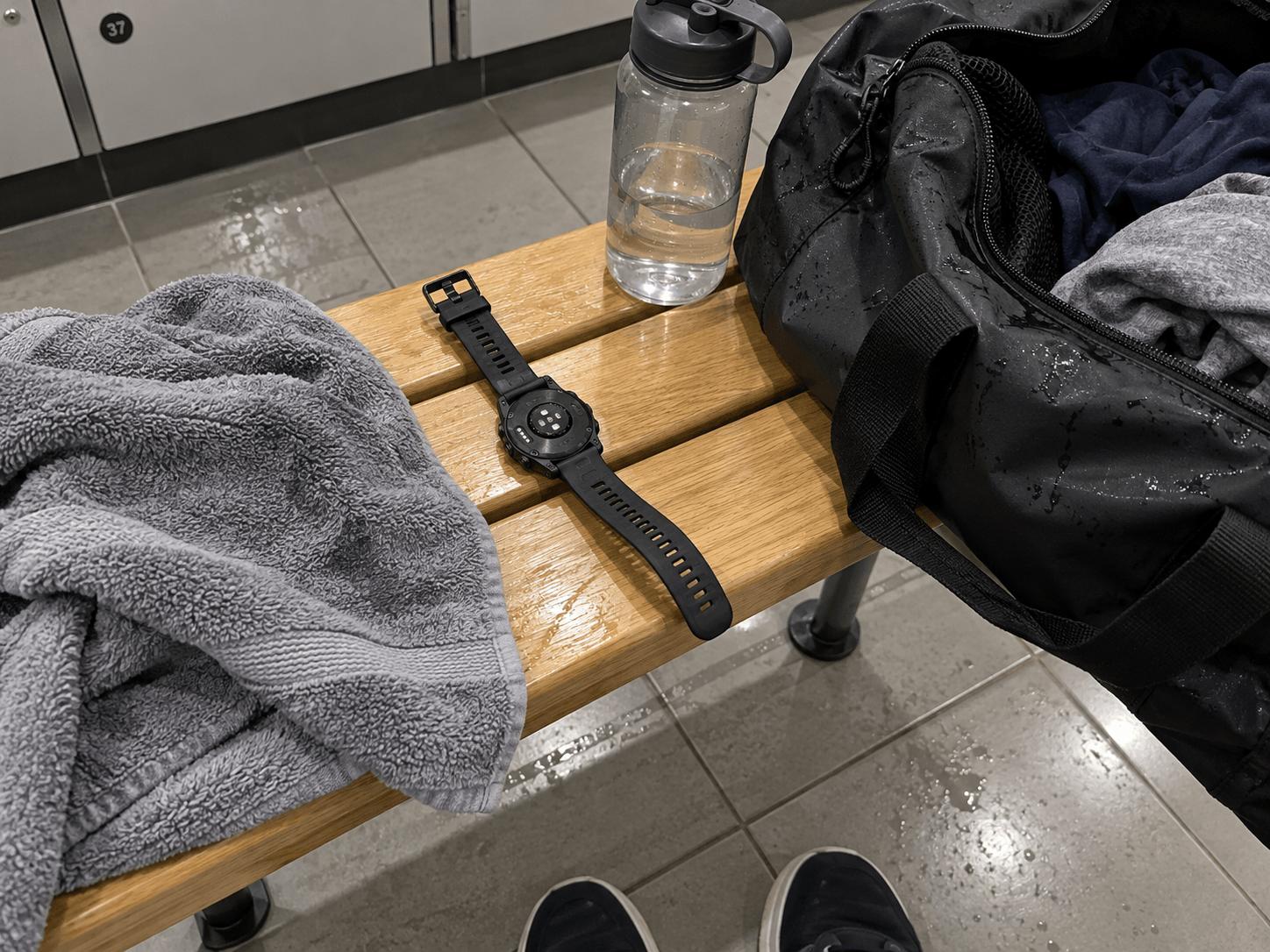
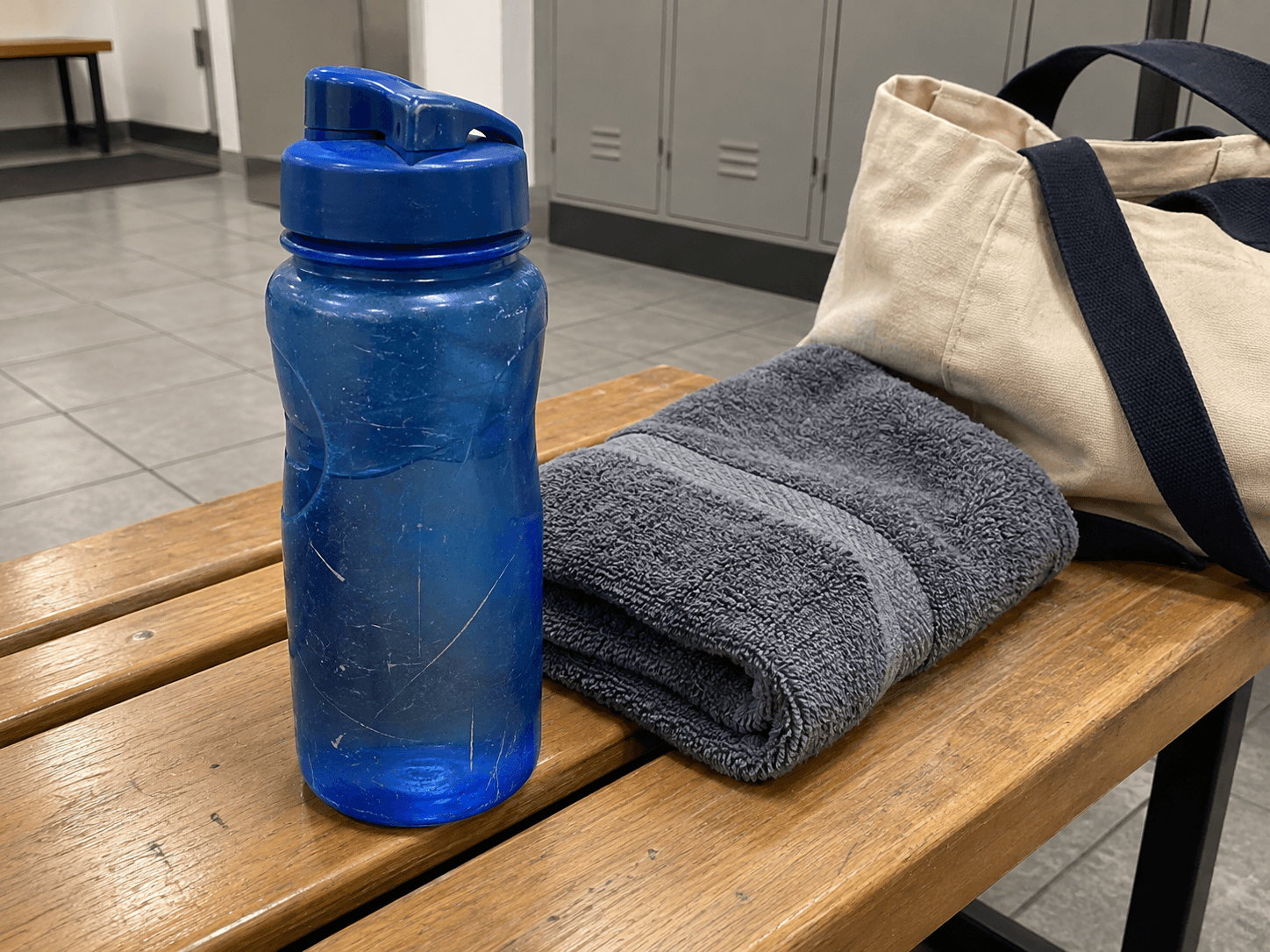
I was comparing water bottles for a visit that lasted less time than the comparison. The one I already owned was sitting beside the laptop, full of water.
It had scratches, a slightly unfashionable colour and a lid that closed properly. None of the new options had yet explained what problem they would solve.
I had done this before with gym bags, notebooks and containers for lunch. Preparing to do something could easily become a separate activity involving deliveries.
I checked what was actually required.
I read the venue information and asked about bottle rules and water access. I wanted to know which materials were permitted and where a bottle could be kept.
My existing bottle suited the arrangement. So did the bag I had used all year. I packed the things the visit called for and stopped adding things that only appeared in photographs.
The time I had spent shopping would have been more usefully spent finding my swimwear. It was drying on the rack behind me, which made the search brief.
I brought the familiar things.
At the visit, I knew how the bottle opened and which pocket held my dry clothes. These were small advantages, but they were advantages I could actually use.
I asked where to refill before beginning. Then I put the bag away and got on with the afternoon.
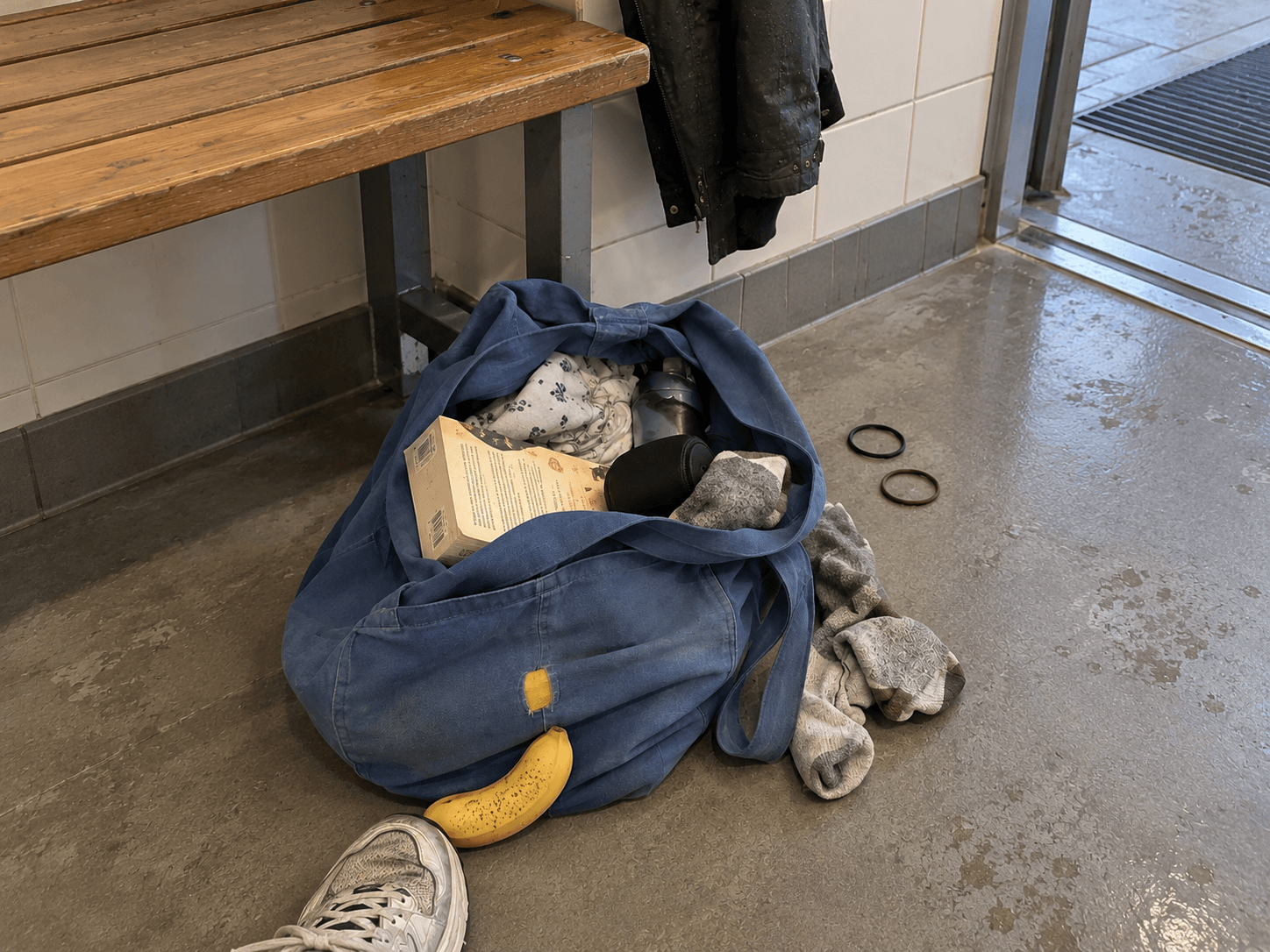
Afterwards, I wrote down the one thing I would pack differently next time: a separate bag for damp items. That was based on what had happened, rather than what a product page suggested might happen.
When I got home, the shopping tab was still open. I closed it and washed the bottle. The scratches were unchanged. So was its ability to hold water, which remained the main feature I needed.
Story details
First-person account ·