The call ends and the next tab is already asking for you. Before opening it, consider what you have just spent an hour doing: watching faces, listening closely, finding a moment to speak, perhaps looking at your own face as well. A useful break can be very ordinary.
Capture the action before leaving the desk.
Write down what you agreed to do and when it is needed. Put any shared action in the place your team uses. This is not a second set of meeting minutes; it is enough information to avoid spending the break trying to remember whether you promised to send the file.
If another call starts immediately, check whether you can join a little later under your team's arrangements or ask for a short pause. Do not quietly disappear from something that needs your attention. The longer-term fix may be changing how the meetings are booked.
Match the break to what you want now.
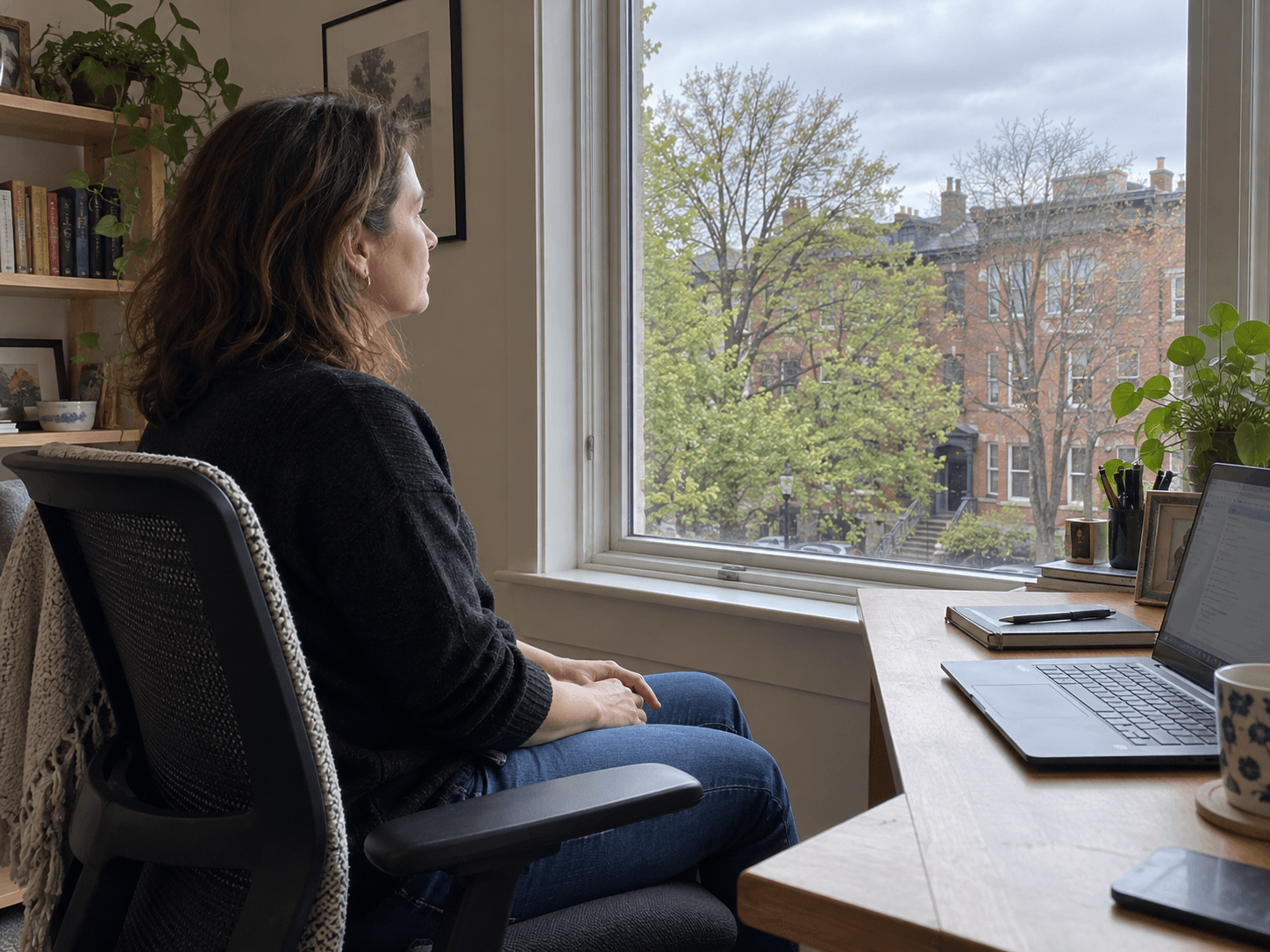
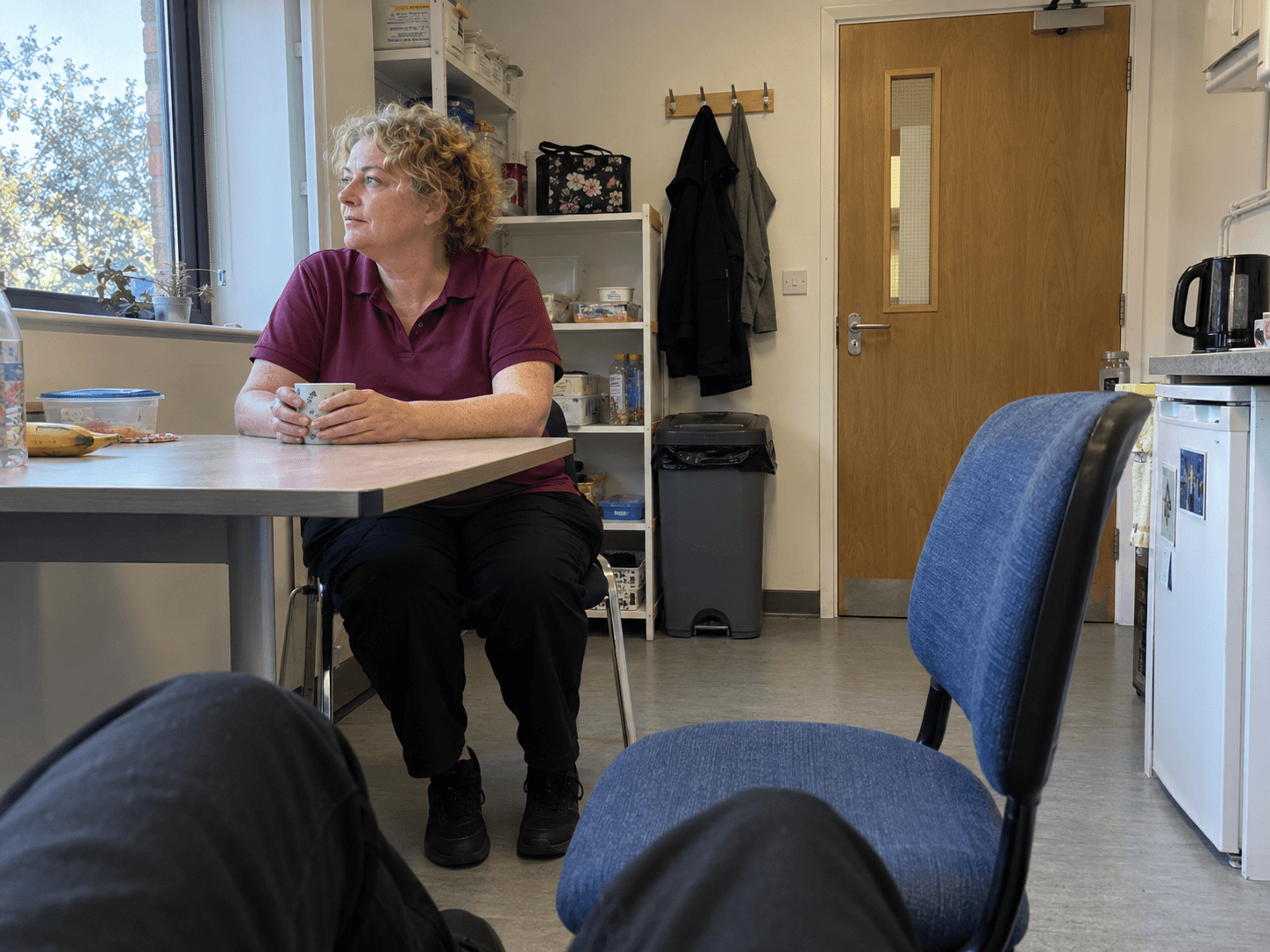
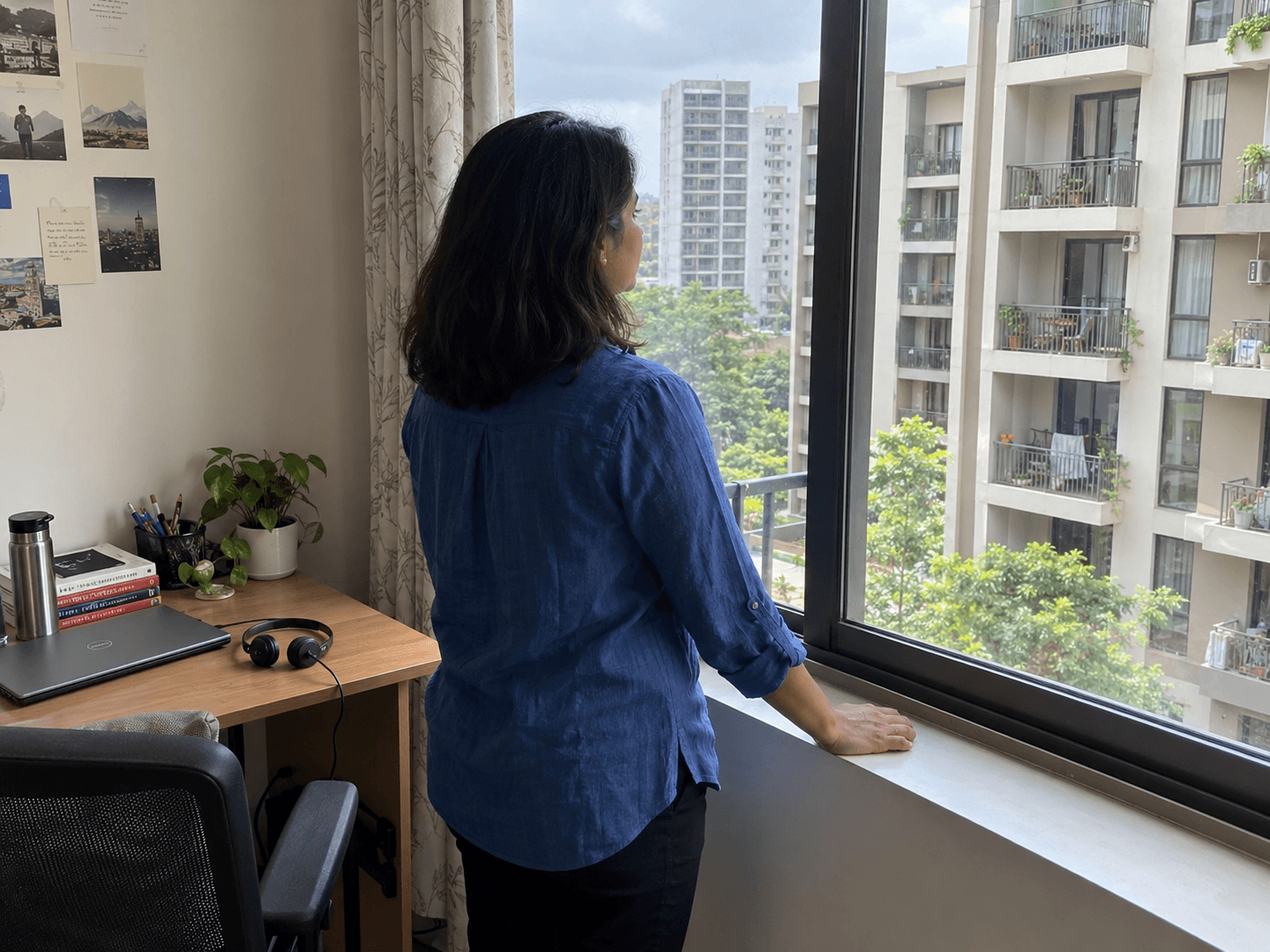
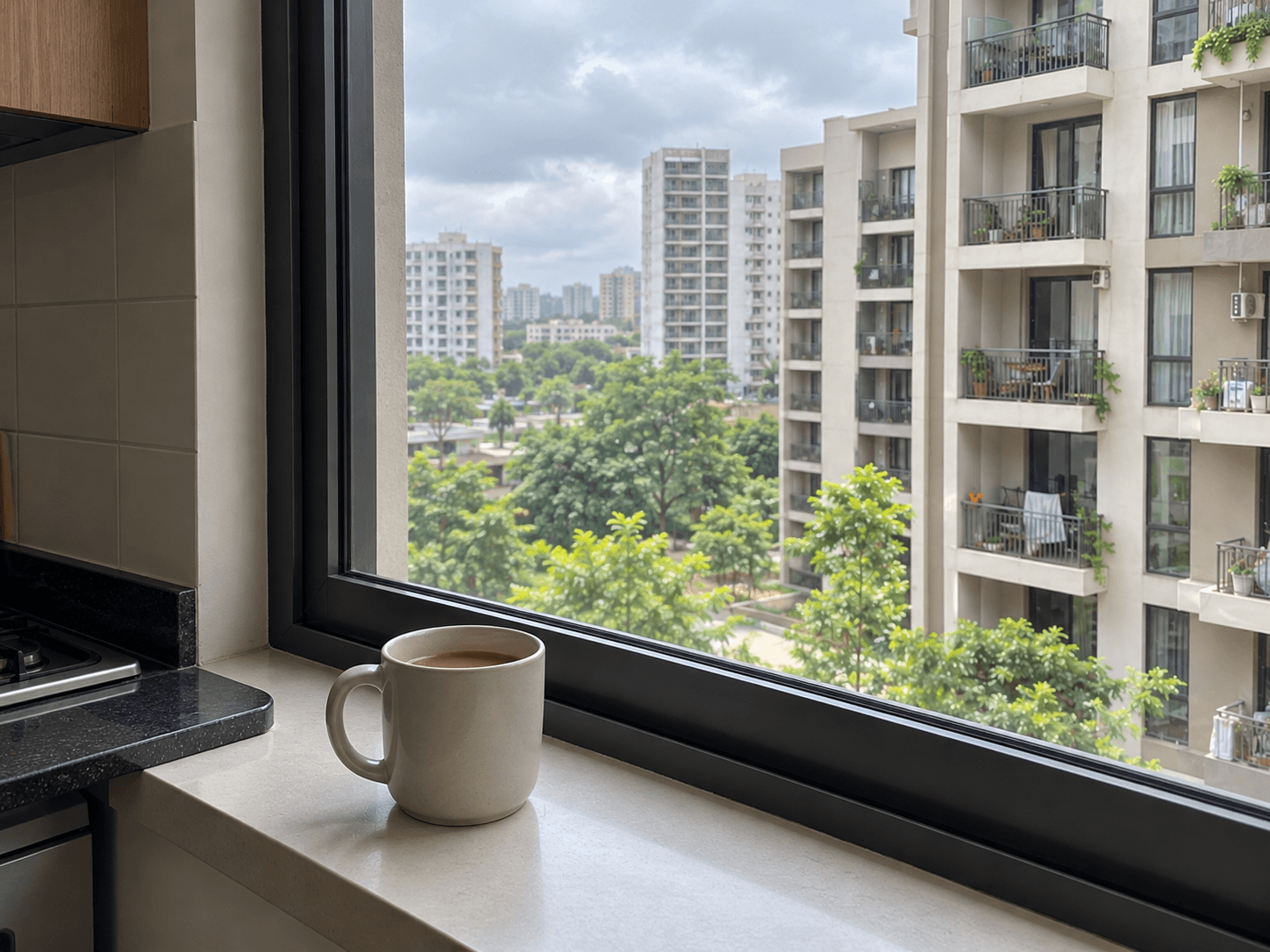
If you want less conversation, get water, open a book or look out of the window without adding a podcast. If you want company after a difficult discussion, ask a colleague whether they have a moment. An offscreen break does not have to mean being alone.
If you have been in one position, change it in a way that works for you. Walk to another room, sit somewhere else or make an ordinary drink. You do not need a prescribed sequence of movements to justify leaving the desk.
Look for the repeatable scheduling problem.
After a day of consecutive calls, inspect the calendar rather than blaming yourself for missing a break. Could a recurring meeting end earlier? Does one update need everyone present? Would an agenda make it clearer when your part is finished? Suggest one change with a reason that your colleagues can assess.
For example: "Could we finish this check-in five minutes before the hour? Several of us go straight into the customer call." Or: "Can I send the numbers in advance and join only for the decision?" Your team may need a different arrangement, but a concrete proposal is easier to discuss than a general wish for fewer meetings.
Use camera and audio settings in line with the meeting's purpose and your workplace expectations. If a particular setup causes difficulty, ask about an alternative. Keep confidential discussions and screens private when moving to a different place.
At the end of the day, notice whether you want another conversation, music or a quieter journey home. You can enjoy people and still prefer a break from being available to them for a while.
Article details
- Published