The loop you used to walk after dinner may be a poor choice for your first day back. You remember it as short because you once did it regularly. Begin with what is manageable now, including the journey home, rather than trying to confirm that nothing has changed.
Start with the reason for the gap.
A busy season is different from an operation, a fall or an illness. If you have been given an activity plan, follow it. New symptoms or a change in a health condition need an appropriate conversation, not a smaller version of an internet walking challenge.
In Canada, CSEP's Get Active Questionnaire and its companion reference document can help you decide whether to seek advice from a healthcare provider or qualified exercise professional before becoming more active. A yes answer directs you to further guidance; it is not automatically a ban on movement. Read the actual documents rather than treating a friend's experience as your screening.
Choose a route you can shorten.
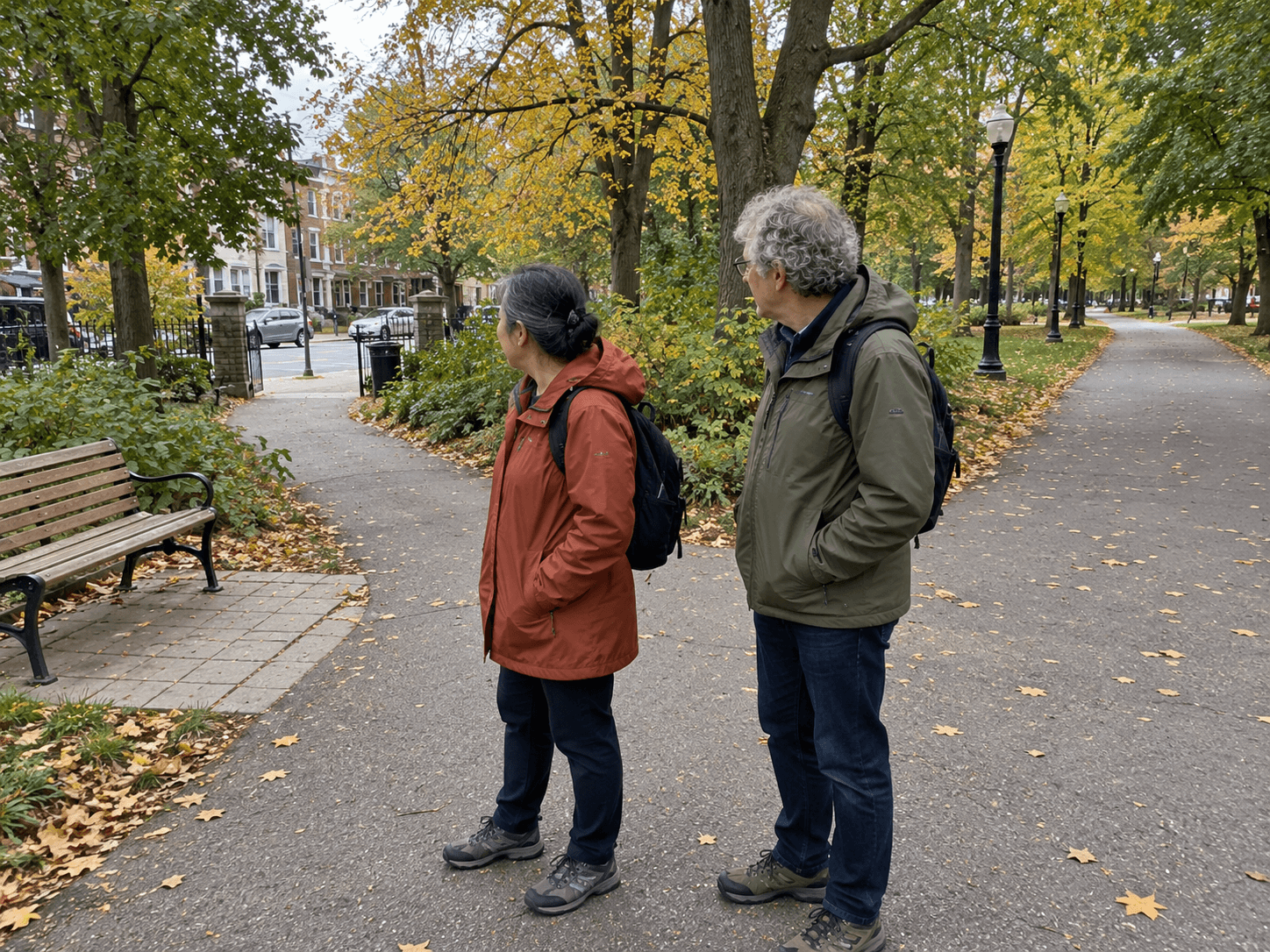
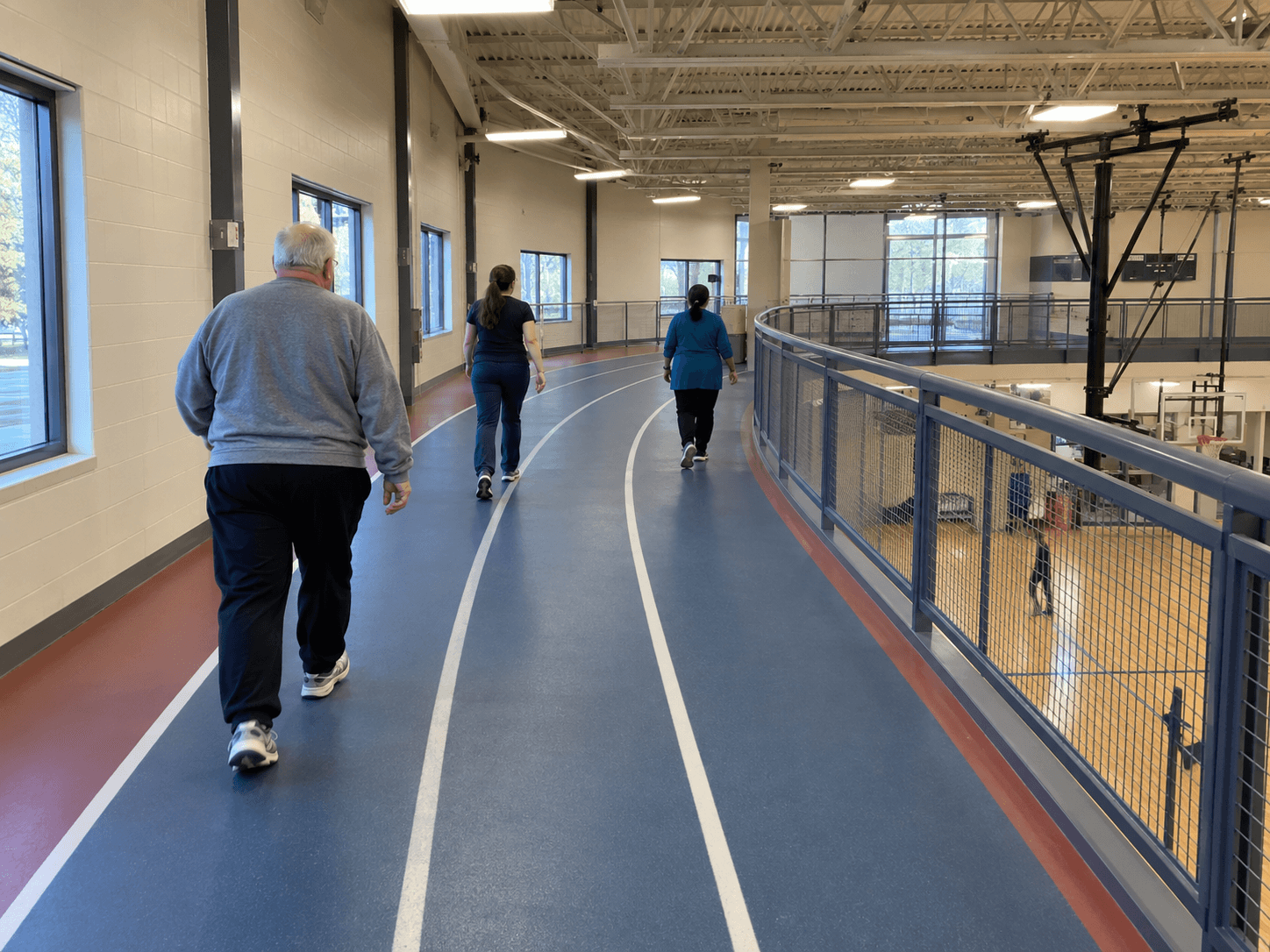
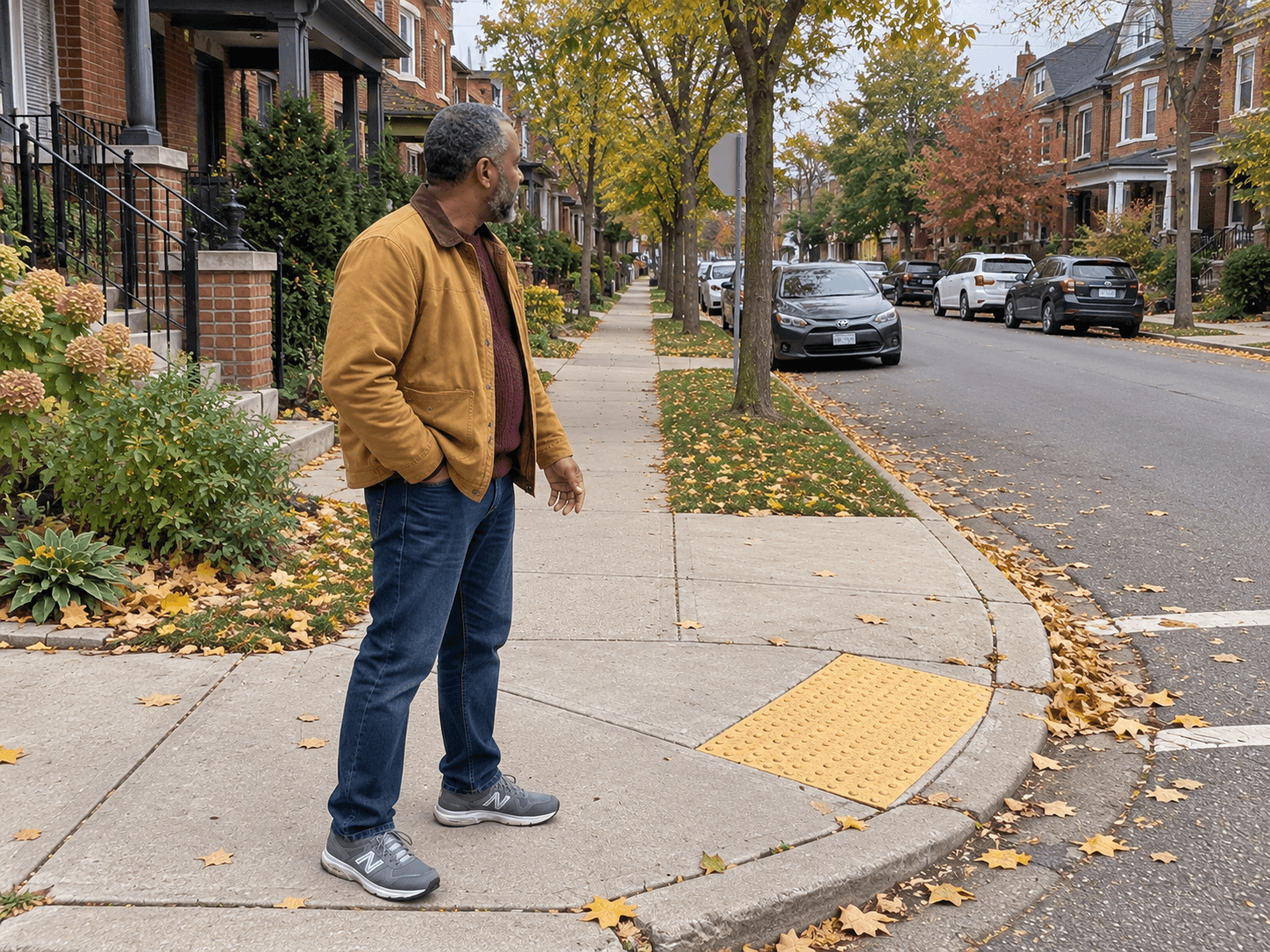
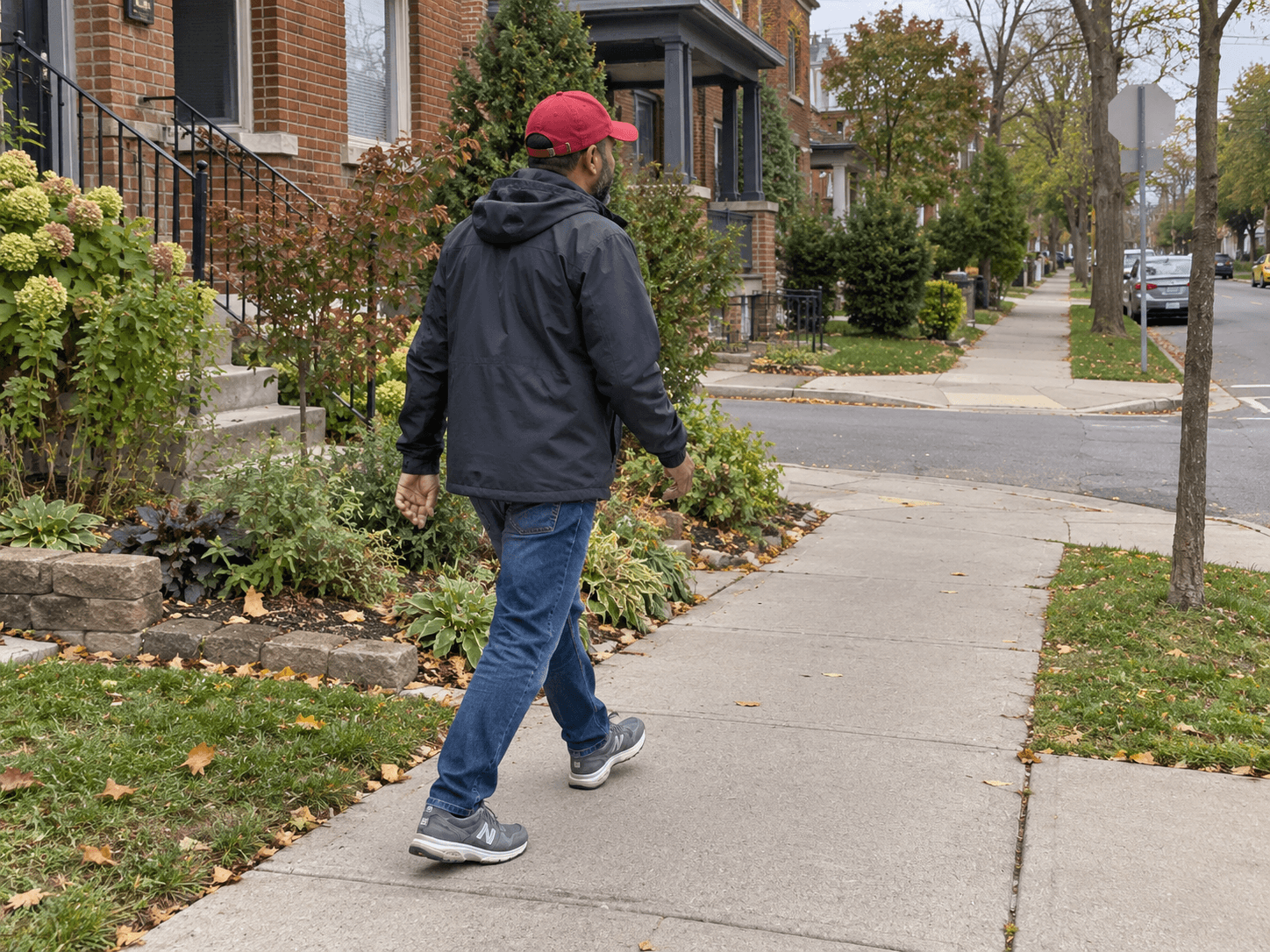
For an ordinary first outing, consider a familiar stretch with a clear pavement, a manageable surface and an easy return. An out-and-back route lets you turn around without completing a loop. Count the return as part of the walk. A distant cafe can quietly turn a tentative outing into a journey you have to finish.
Decide whether company would be useful. Be specific: "I want a short walk close to home, and I may turn back early." Someone who is also hoping for a fast training session might prefer to do that separately.

Repeat before adding more.
The NHS advises people who can walk but are not very active to build distance gradually. That does not mean everyone needs the same first distance, pace or timetable. Notice how the outing fits your current ability and the rest of your day. There is no need to add a hill, a longer route and a faster pace all at once.
A brief note can help: which part felt manageable, where you wanted to stop, and whether the route had a practical problem. You do not need a step-count purchase to remember that the return hill was harder than the map suggested.
If pain, unusual breathlessness, dizziness or another concerning symptom appears, stop and get appropriate medical advice rather than using the plan as a reason to continue. Urgent symptoms need urgent help. A quiet street and a friendly companion do not make an unsuitable activity suitable.
On the next outing, use what you learned. Repeating a manageable walk is a useful option. So is changing the route or the day. The old loop will still be there when it makes sense to try it.
Notes & citations
Article details
- Published