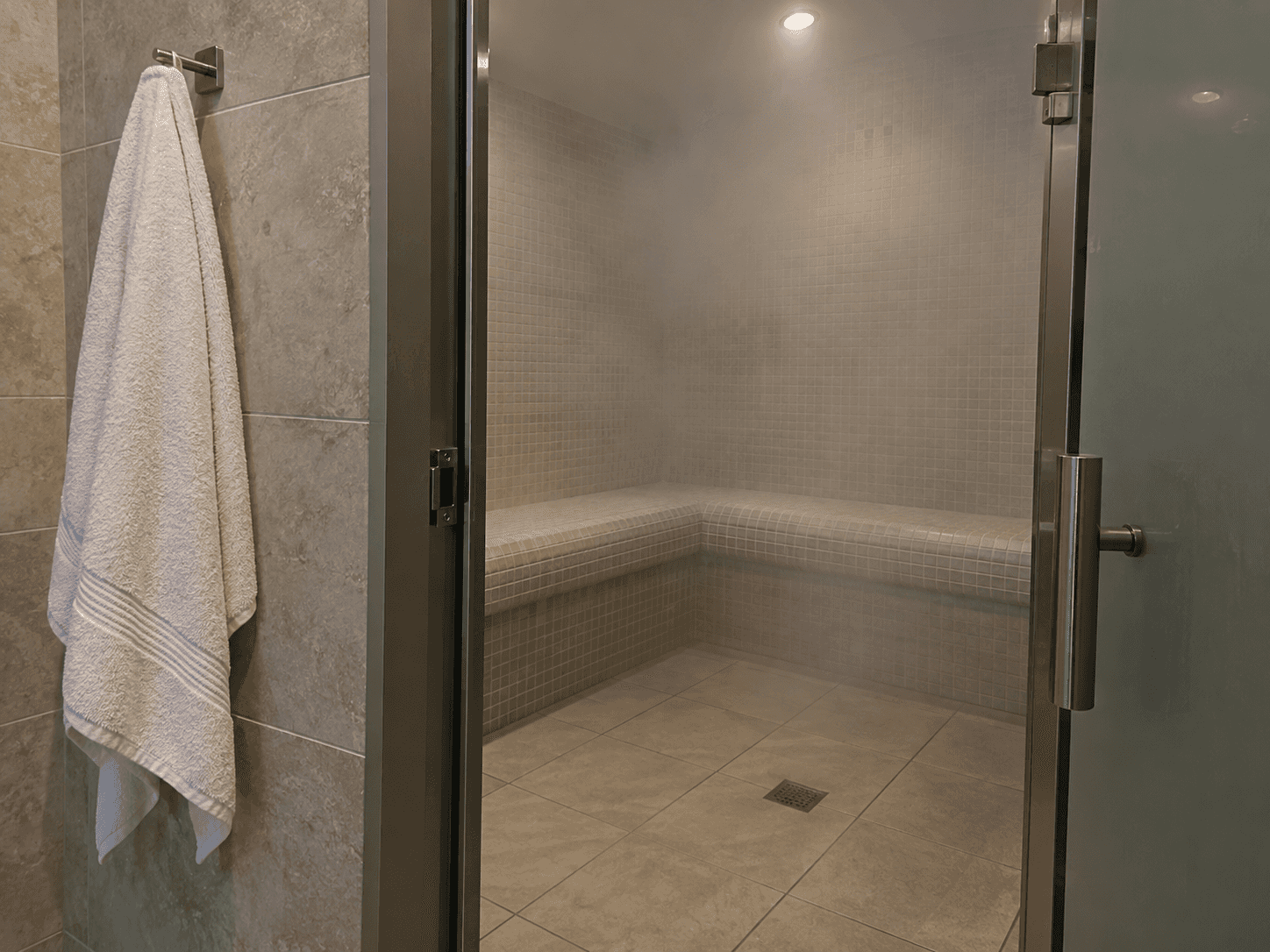
You can leave a hot room before the person beside you. You can also stop a visit altogether. Knowing where the exit and staff are makes that decision simpler when you need to make it.
Stop and tell someone.
Headache, nausea, dizziness, weakness and heavy sweating can accompany heat exhaustion. Leave the heat, get to a cooler place and alert staff or someone nearby. Get medical assessment; symptoms are not a challenge to push through.
Do not turn feeling faint into another round or an unsupervised plunge. Ask for assistance moving if you are unsteady. Tell the person helping you what you were doing and what changed.
Confusion or collapse is an emergency.
Confusion, slurred speech, seizures or loss of consciousness after heat exposure can indicate heat stroke. Call 911 immediately, move the person out of the heat if safe and begin cooling while following emergency instructions. Stay with them. A person with heat stroke may still be sweating.
While help is coming, apply cold water to large areas of their skin or clothing and fan them. Cold wet cloths can also help. Have someone meet the responders if others are available, while a helper stays with the person. Do not delay the emergency call to look for a thermometer or finish changing.
These signs warrant action even when a room’s posted session time has not elapsed. Do not wait for a temperature reading or try to finish the planned sequence first.
Make the first conversation easy.
Ask staff how to leave each area and how to summon help. If a health condition or medication may affect your response to heat, ask your clinician about suitability before booking; do not stop medication yourself. A companion can help you find staff, but should not be responsible for deciding whether concerning symptoms are harmless.
Notes & citations
Article details
- Published
- Updated