A traditional sauna and a steam room both involve heat, but they create different environments. Choose using the actual room description and your preferences, rather than treating the names as interchangeable.
Look at how the room works.
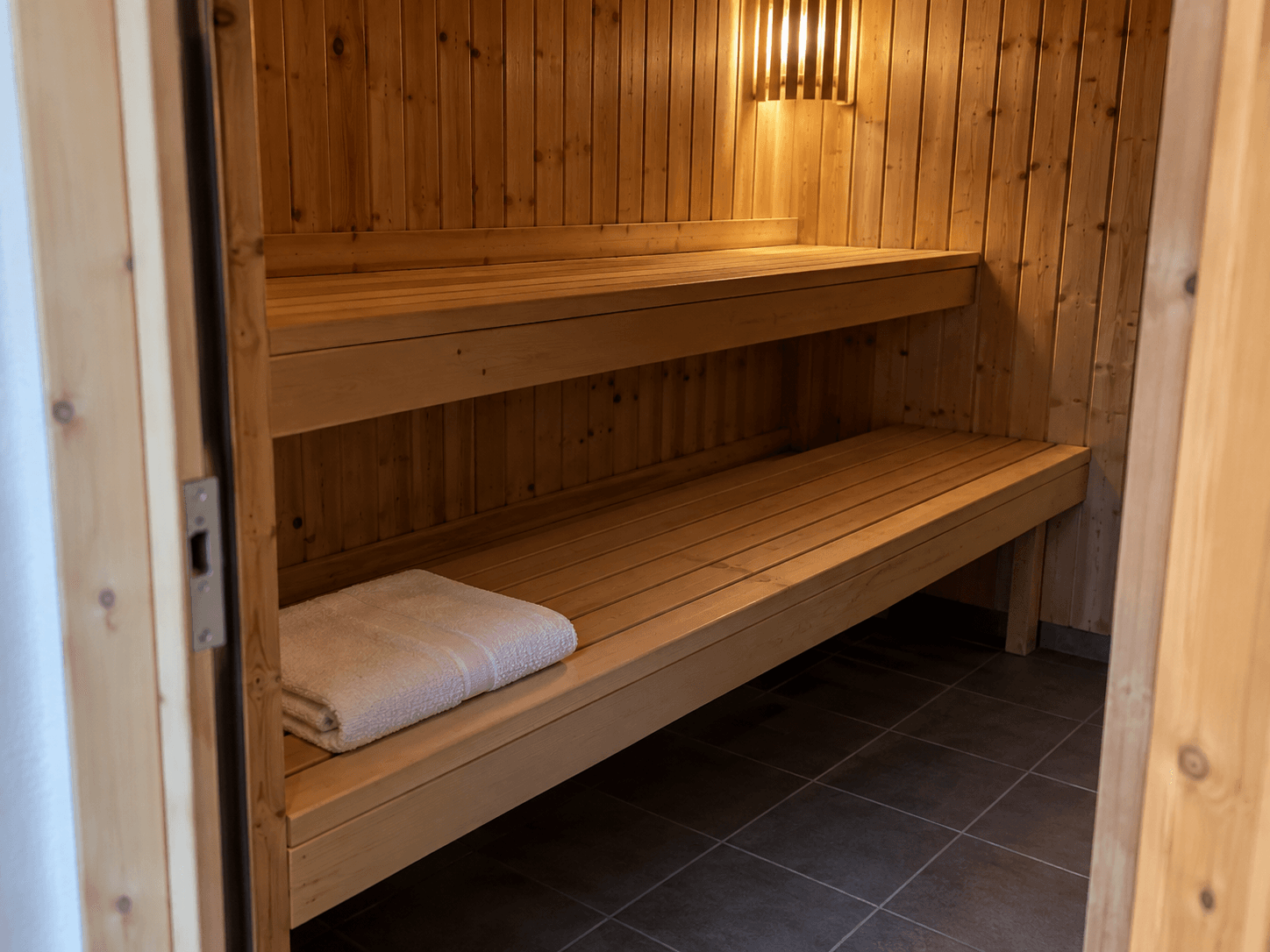
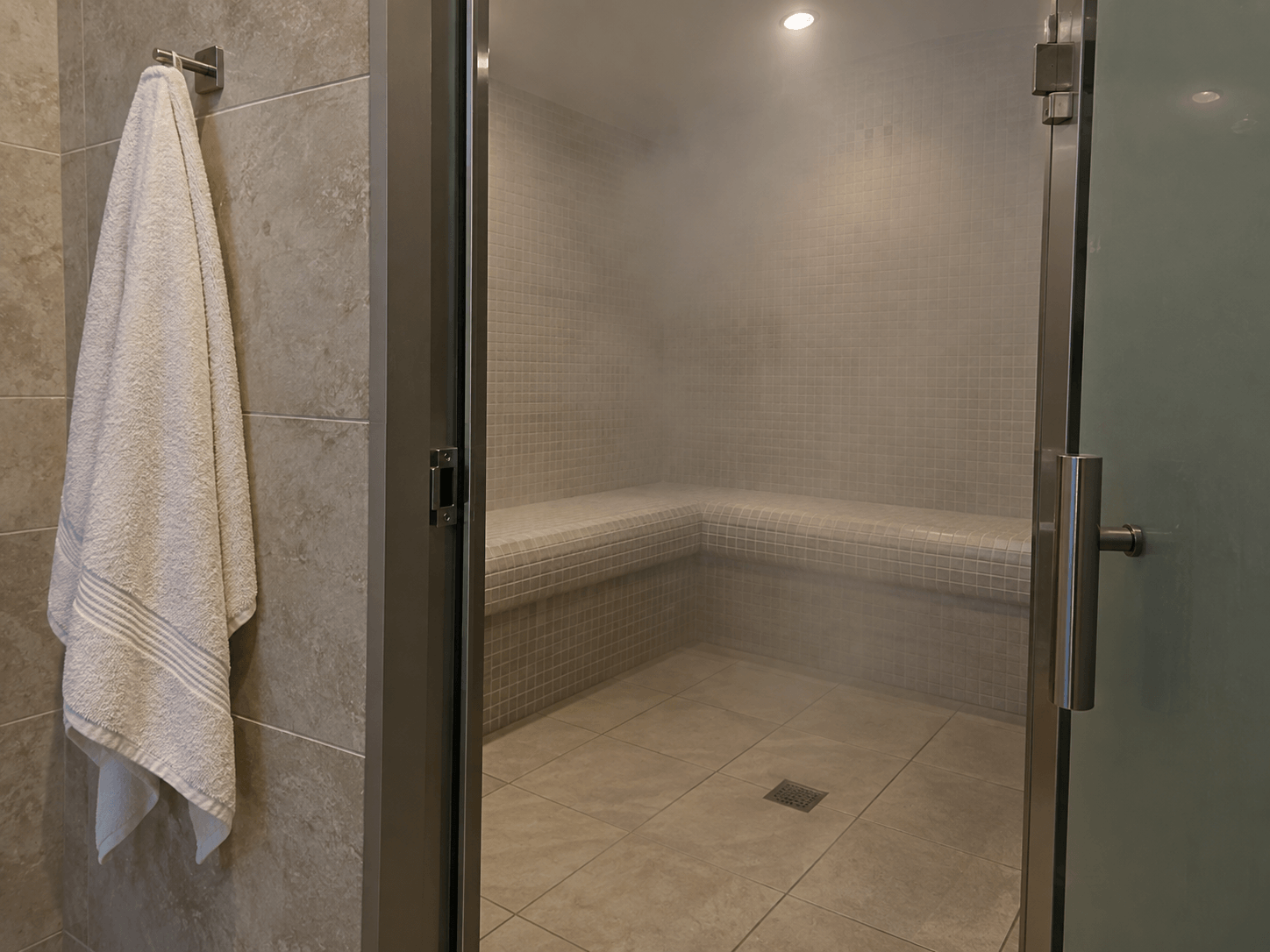
Traditional saunas commonly use a heater and heated stones in a wooden room; water added to suitable stones can change the humidity. Steam rooms use steam generation to create a much more humid environment and commonly have tiled or other moisture-tolerant surfaces.
Operators and equipment vary. Follow the house instructions about controls and water. Do not assume guests may add water or adjust settings because that was allowed somewhere else.
A lower number can still feel intense.
Humidity affects how readily sweat evaporates. CCOHS describes how humid conditions limit that cooling process. A steam room's lower air temperature therefore does not make it directly equivalent to a dry room with the same reading.
Liking one format does not oblige you to like the other. Ask for an introduction, take breaks and leave if you feel unwell. Use your health professional's advice where heat suitability is a question.
Compare the visit as well as the room.
- Which rooms does this booking include?
- Is the session guided or self-directed?
- Where can you rest, and can you skip a room?
- What are the clothing, showering and conversation expectations?
Those answers often matter more to an enjoyable first visit than deciding which format is supposedly best. If you go with someone who prefers the other room, agree a place to meet afterwards rather than making either person match the other's choices.
Notes & citations
Article details
- Published