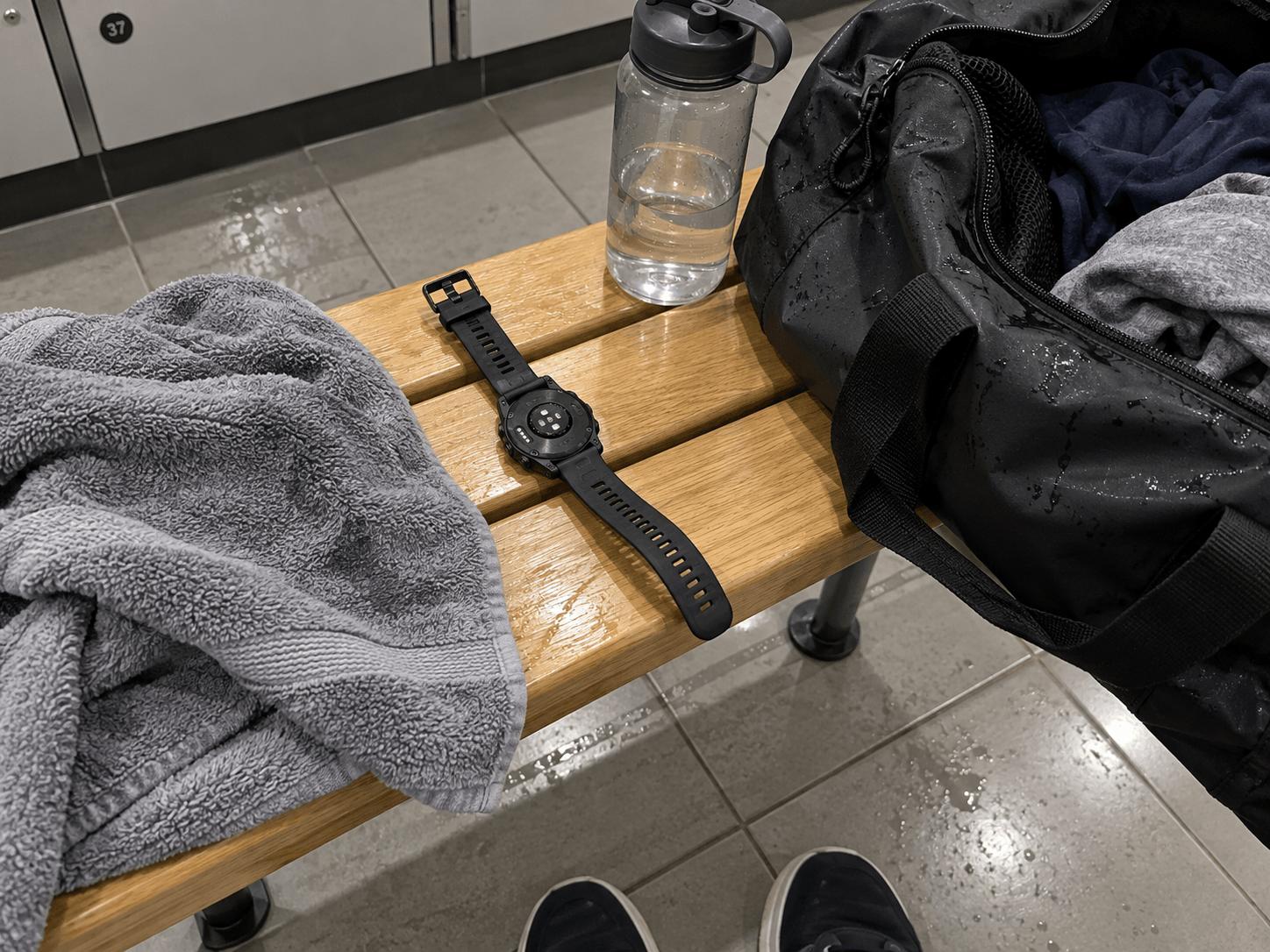
When my friends said they were going to the cold plunge, I said I would meet them at the tea table. I had prepared a longer explanation, but nobody asked for it.
I had enjoyed the parts of the visit I wanted to do. I was not curious about the cold water that afternoon. Before booking, I had checked that the session allowed us to choose different activities and breaks.
This should have made the decision straightforward. Instead, I had spent the morning considering how to decline an activity as though I were refusing an invitation to someone's wedding.
I used the plan we had agreed.
My friend asked where the tea table was. I told her. She said she would see me there. The discussion was complete before I reached the second sentence I had rehearsed.
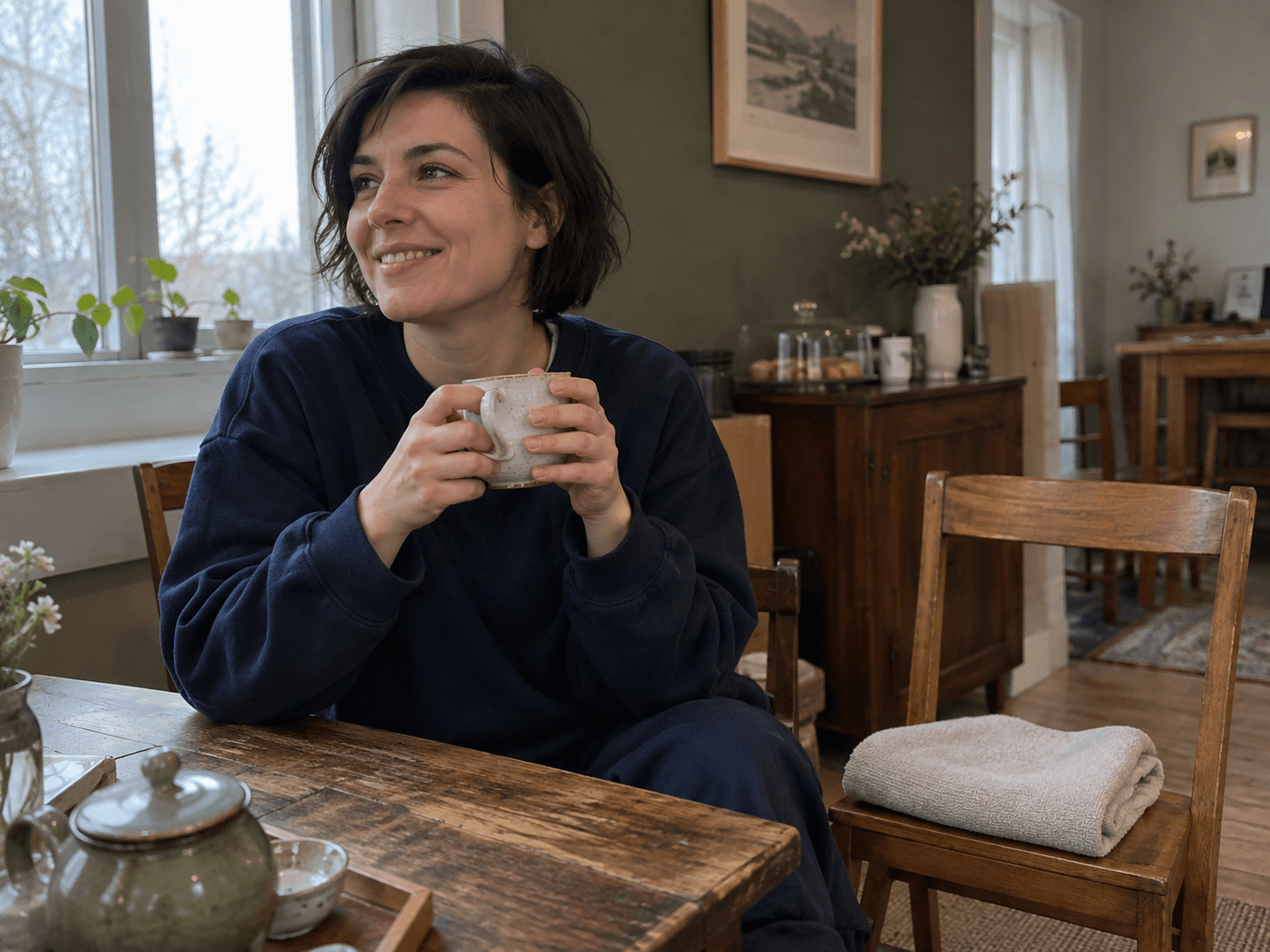
I changed, found a seat and chose a drink. There was enough time to enjoy it before the others arrived.
I had not been left behind. I had gone ahead to the part of the afternoon I wanted. That was a much more accurate description of what had happened.
We still had plenty to talk about.
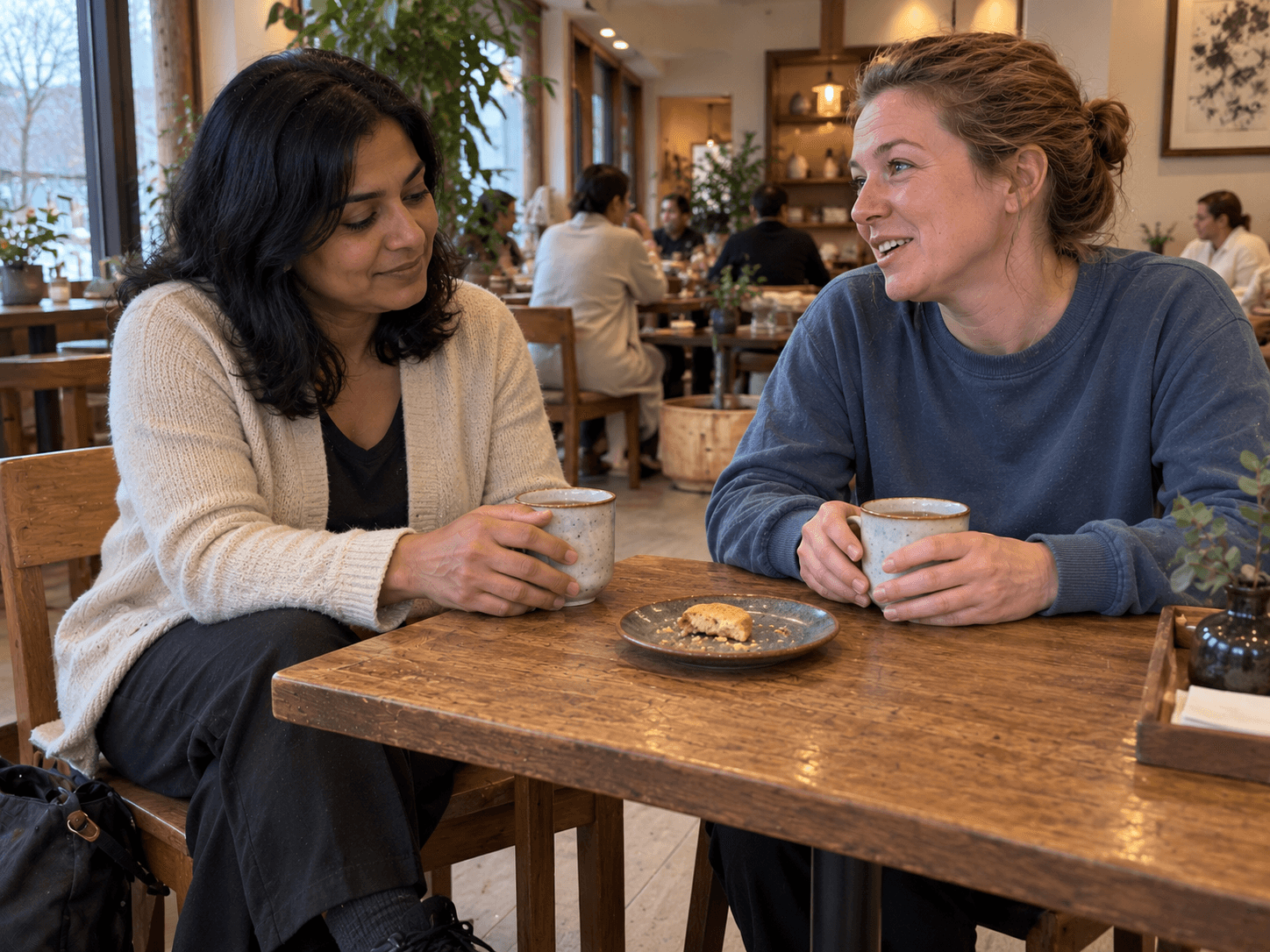
When my friends joined me, they told me about their experience. I listened without needing to have done the same thing. Then the conversation moved to a film one of us had misunderstood almost completely.
No one suggested I had failed to finish the visit. The only unfinished item was a biscuit, which I dealt with while we argued about the ending.
For our next outing, I said early which parts interested me. My friends did the same. One wanted a shorter visit; another wanted to stay for food.
We found a plan that allowed those differences. I stopped saving all my preferences for the moment when everybody was already standing up to go somewhere.
Story details
First-person account ·