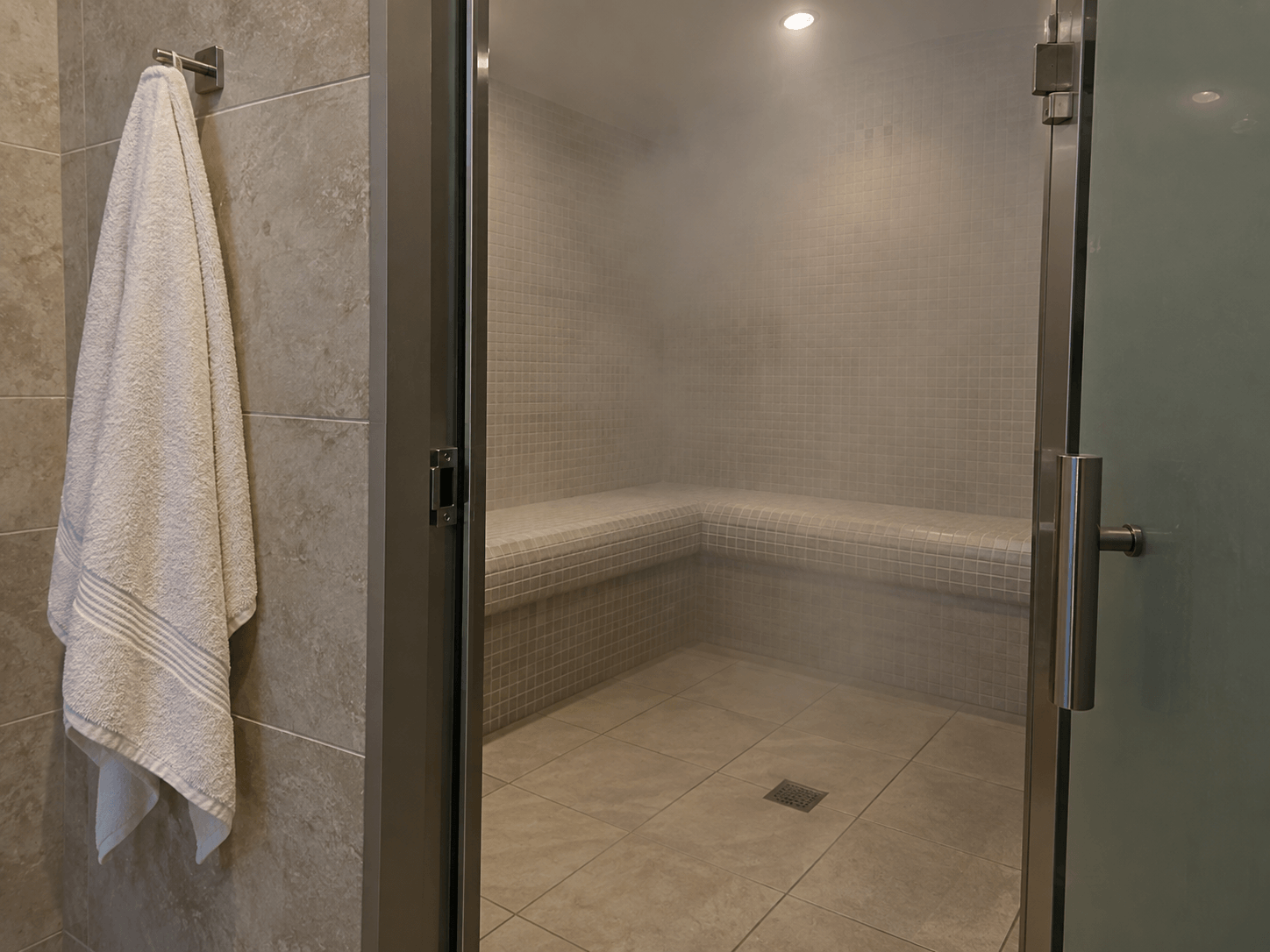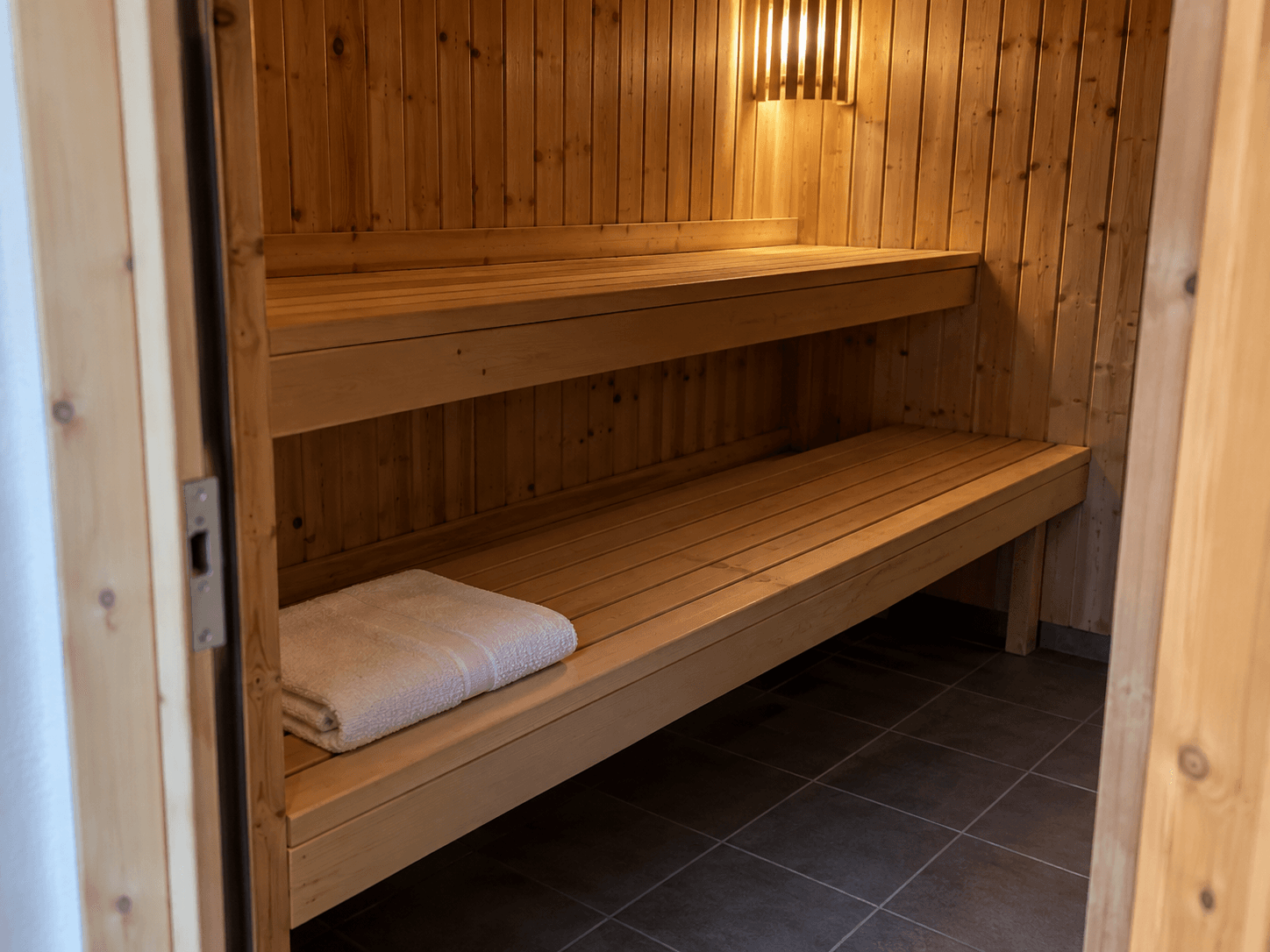
Two rooms can show different temperatures and still resist a simple ranking of how they will feel. A thermometer measures one aspect of the environment, not the complete experience of the person sitting in it.
Add the missing context.
CCOHS identifies air temperature, humidity, air movement and radiant heat as factors in heat exposure. Humidity also affects evaporative cooling. These principles help explain why comparing only air-temperature readings across different room types can mislead.
The arrangement within a room matters too. Ask staff about the seating and the intended use of the space rather than assuming every position matches the display. A photograph of someone else's thermometer does not describe your own surroundings.
Compare the same questions.
- What type of heating system is this?
- How humid is the environment?
- Where is the reading taken, and what does it represent?
- What instructions apply to this particular room?
- How do I take a break or get assistance?
You do not need to calculate an equivalent temperature yourself. The purpose of these questions is to understand the setting, not create a more elaborate number to endure.
Keep the number out of the competition.
Do not use another person's preferred setting or time as proof of what you should tolerate. If you feel unwell, leave and seek help as appropriate even when the display looks ordinary or your planned time is not finished.
A useful comparison helps you choose a comfortable format and understand the instructions. Once you are there, the display remains information about the room. It does not become an obligation to stay in it.
Notes & citations
Article details
- Published