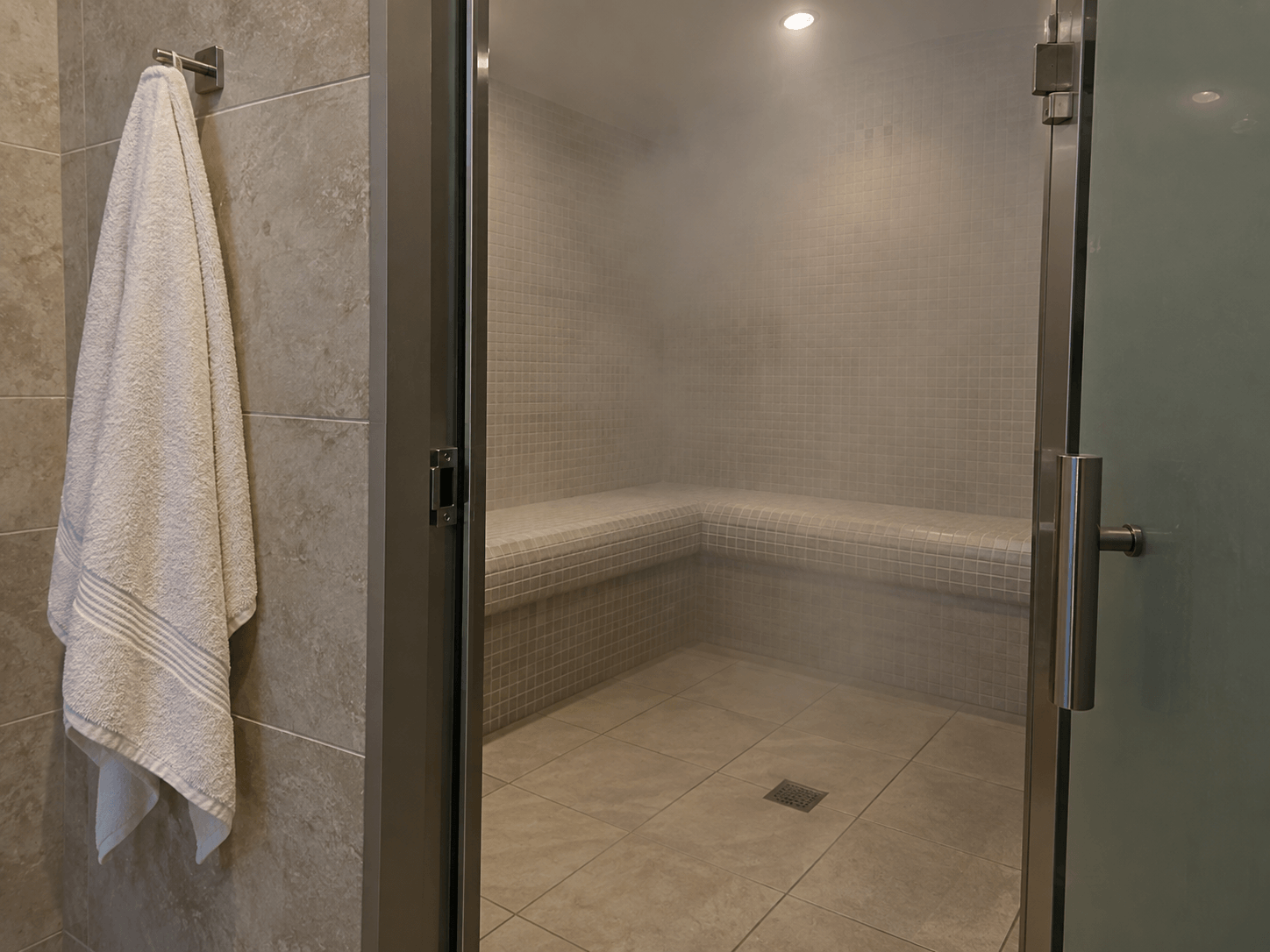
I had been using sauna as a convenient word for any room that made me warm. Then I walked into a tiled steam room and discovered that convenience was not the same as accuracy.
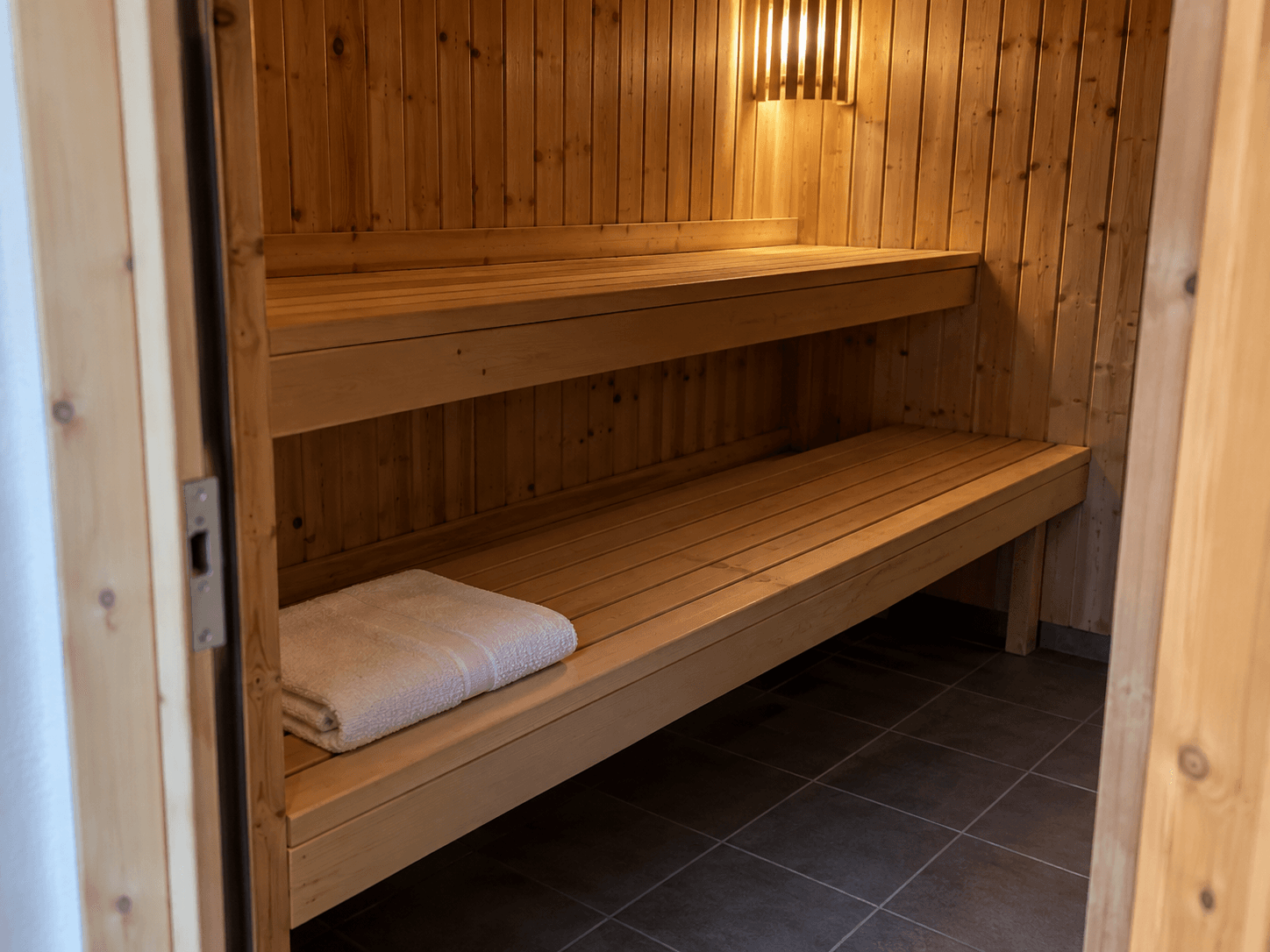
Moisture gathered on my forearms, and small drops ran down the tiles beside the bench. I was used to sitting against wood in dry air. This felt closer and wetter, even though I had barely sat down. I preferred the other room's feel.
I had checked the session information, but mostly for the start time. Now I understood why the description had bothered to name the rooms separately.
I asked for the introduction again.
I spoke to staff about how to use this area and where to take a break. I did not borrow a duration from my previous sauna visit or decide I needed to remain because I had only just arrived.
I tried the room within the guidance I had been given, then left when I wanted a break. Outside, I could explain the choice without comparing temperatures: I liked the drier air of the sauna and did not especially enjoy the damp feeling on my face.
My friend preferred the steam. I preferred the drier setting we had used before. This created no serious problem because neither of us had booked the afternoon to become identical.
We compared the descriptions over tea.
We looked at the session information again. There were distinctions I had skimmed past while concentrating on whether I had packed the right things.
I began asking what a room actually was when someone recommended a place: dry heat, steam, infrared, or a combination. The answers helped me choose instead of simply adding more places to a list.
At home, I told my partner I had learned something. They asked whether it was that tiled rooms looked different from wooden rooms. I said there was slightly more to it, but that had been an excellent starting clue.
The next booking took less guessing. I read the room description before looking at the clock.
Story details
First-person account ·