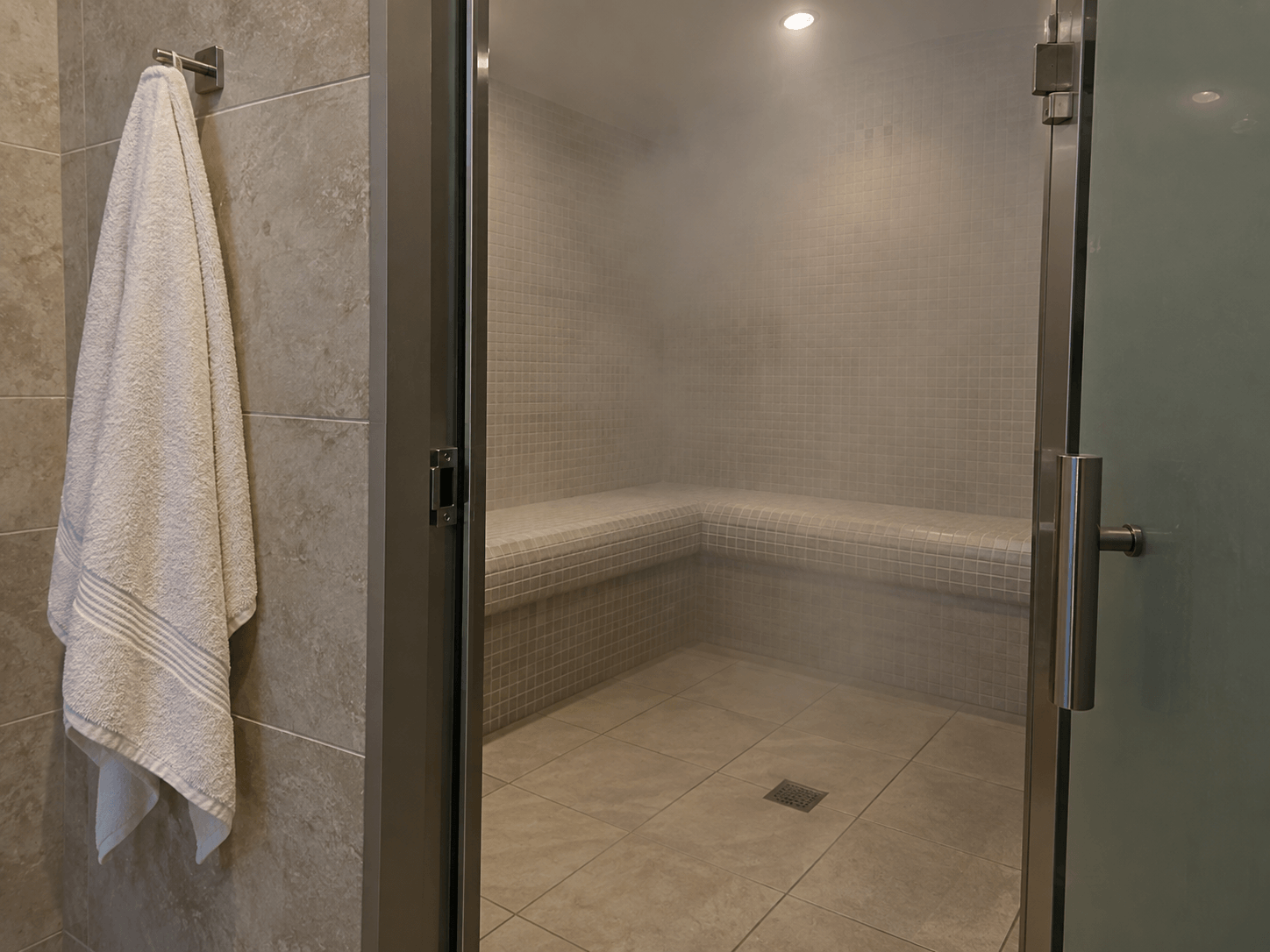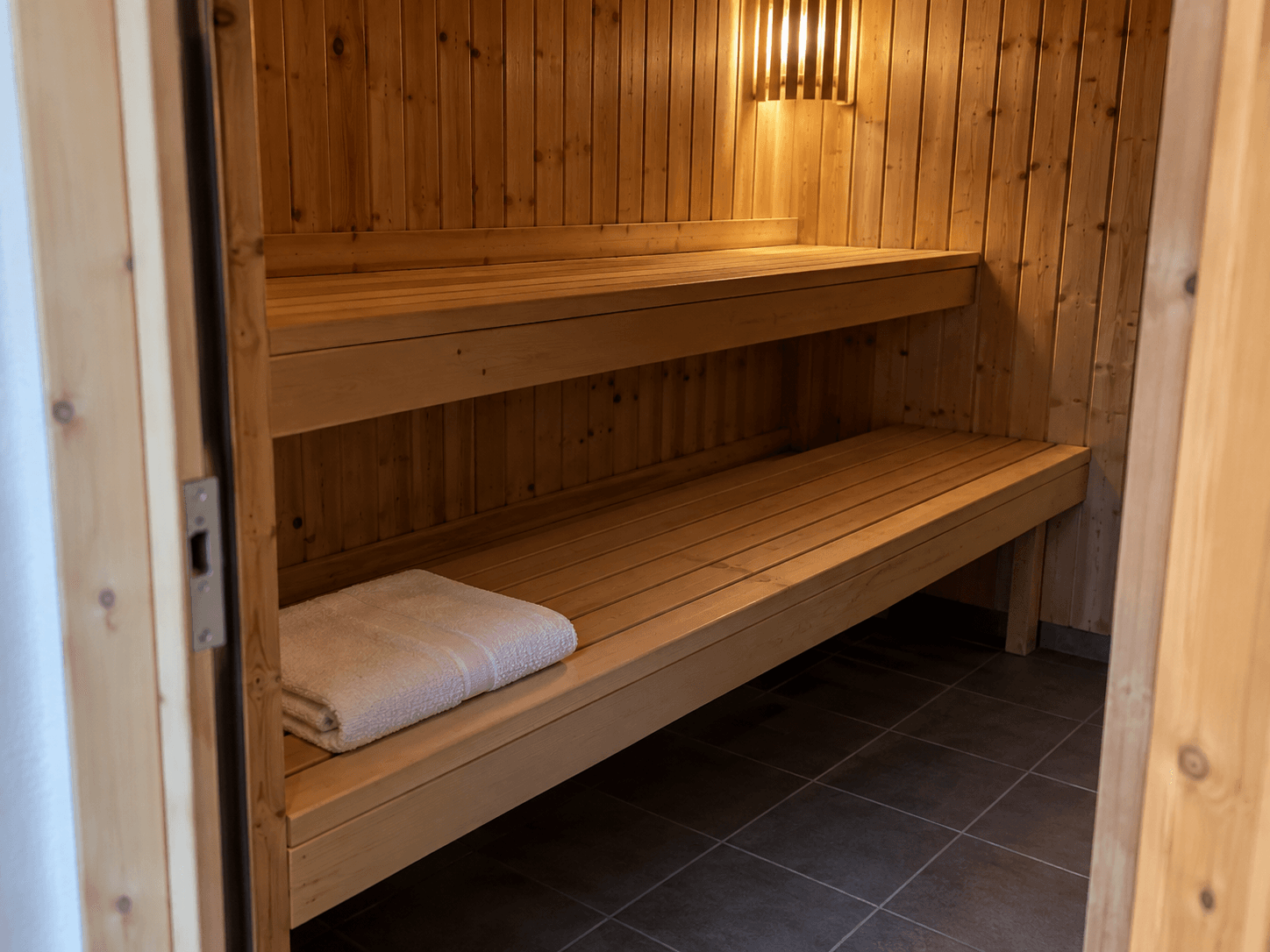
Infrared and traditional sauna describe different heating arrangements. Understanding that difference helps you ask useful questions without assuming one room's temperature tells you everything about another.
Compare the equipment.
A traditional sauna heats the room using a heater, often with stones. Infrared cabins use panels that deliver radiant energy to the body. Hybrid designs can combine systems, so the label on a booking is worth checking against the actual equipment.
Manufacturer descriptions explain how their systems work. They do not, by themselves, establish that one format will produce a better health outcome for you. Keep a technical description separate from any particular benefit claim you want to assess.
Ask about the session you will use.
- Which heating system is running during this appointment?
- Is the cabin private, shared or part of a guided session?
- How are the settings managed, and what instructions should I follow?
- Can I leave or take a break whenever I need to?
- What does the booking time include?
If you already know you prefer a particular feeling or setting, describe it in ordinary words. Staff can explain the available format more usefully than a comparison based only on a number.
Choose for the actual visit.
A lower air-temperature setting is not a personal guarantee of comfort or suitability. Your health, the equipment, the session and your response still matter. Ask a clinician about heat if a condition or medication makes that uncertain.
You can also choose according to privacy, timing or the kind of afternoon you want. The decision does not need to become a contest between technologies. Start with a format you understand and a session that fits your needs.
Notes & citations
Article details
- Published